
Another fun hobby to check out!
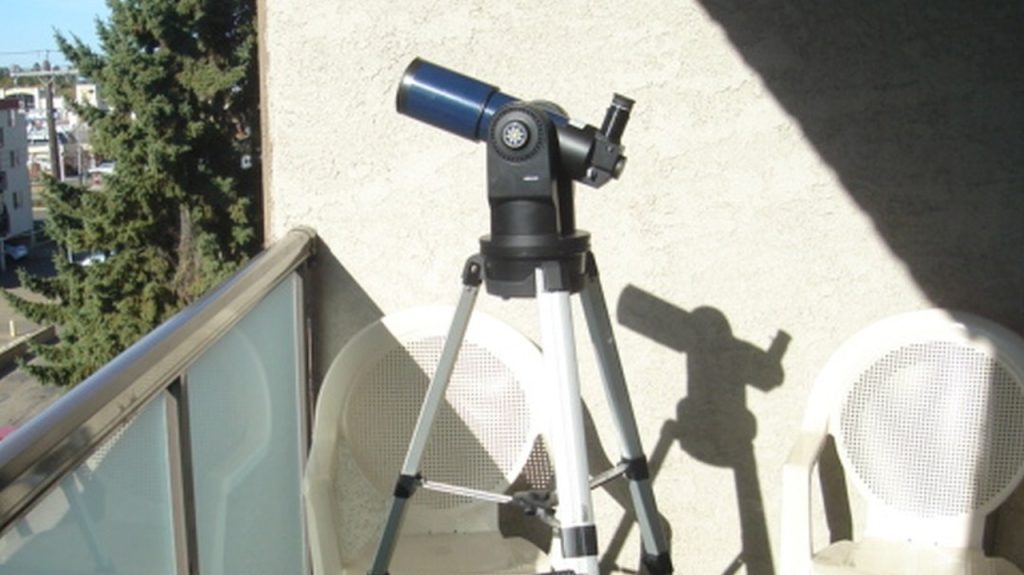
Astronomy, as a hobby, involves observing celestial objects like stars, planets, galaxies, and other phenomena in the night sky. It’s a pursuit that blends science, technology, and a deep sense of wonder about the universe. Here’s an overview of the hobby, the equipment used, and some notable achievements by amateur astronomers:
Equipment for Astronomy
- Telescopes:
- Refractors: Use lenses to gather light and focus it into an image. They are excellent for observing planets and the moon due to their sharp, high-contrast images.
- Reflectors: Employ mirrors to collect light, which is then reflected to form an image. They are generally more affordable for larger apertures, making them good for deep-sky observations like galaxies and nebulae.
- Catadioptric (Compound) Telescopes: Combine lenses and mirrors, providing a compact design with good optical performance, suitable for both planetary and deep-sky viewing.
- Binoculars: Often overlooked, but powerful for wide-field views of the sky, especially for constellations, star clusters, and the moon. They’re portable and user-friendly for beginners. I gave up on using a telescope due to the time involved in setting it up, now all I use is a pair of binoculars.
- Eyepieces: Various types (e.g., Plossl, Barlow, wide-angle) that change the magnification and field of view of your telescope.
- Mounts:
- Alt-Azimuth: Simple, intuitive, but requires constant adjustment for tracking celestial bodies.
- Equatorial: Aligns with Earth’s axis, allowing for easier tracking of celestial objects as they move across the sky.
- Accessories:
- Filters for enhancing contrast or blocking specific light wavelengths.
- Cameras for astrophotography, from basic DSLRs to specialized CCD cameras for deep-sky imaging.
- Star charts, planispheres, or apps for navigation of the night sky. I used to use a planisphere but you can download all the info you need and keep it on your phone.
- Observing chairs or stools for comfort during long sessions.
Major Achievements by Hobby Astronomers
- Discovery of Comets: Notable amateurs like Caroline Herschel in the 18th century and more recently, David H. Levy, have discovered numerous comets, some of which bear their names.
- Supernova Discoveries: Amateurs have contributed significantly to supernova findings. For instance, Tom Boles has discovered over 150 supernovae, showing that with dedication and modern technology, amateurs can make substantial contributions.
- Exoplanet Observations: While initial detection often requires professional equipment, amateurs can observe transits of known exoplanets across their host stars, contributing to data on these planets’ orbits.
- Asteroid Tracking: Amateurs have played roles in tracking and even discovering new asteroids, contributing to our understanding of the solar system’s dynamics.
- Educational Outreach: Many amateur astronomers engage in public stargazing events, fostering interest and education in astronomy, which indirectly supports scientific literacy and community science projects.
Amateur astronomy is not just about looking through a telescope; it’s about learning, sharing, and sometimes even advancing our collective knowledge of the cosmos. The accessibility of equipment has democratized the hobby, allowing enthusiasts from all walks of life to partake in this timeless endeavor.
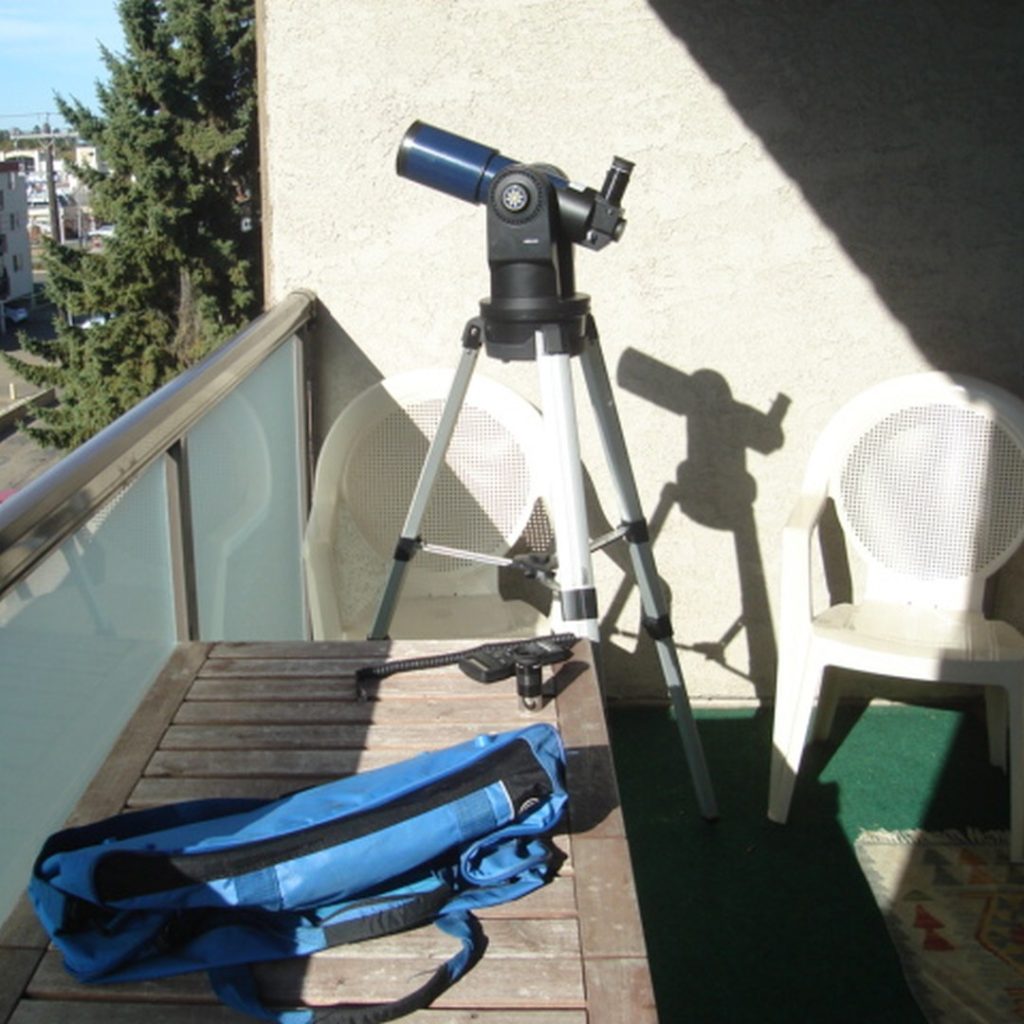
Astronomy is a great hobby and there are many resources available for free to learn!