
Coleman 505B Single Burner Gas Stove, Service & Test, O-Rings Replaced. Full Detailed Photos Included.
Special Thanks:
Special Thanks to @OldTownColeman @king.coleman @jiujitsu2000 as well as many many other channels on YouTube that provide good information about Coleman products!
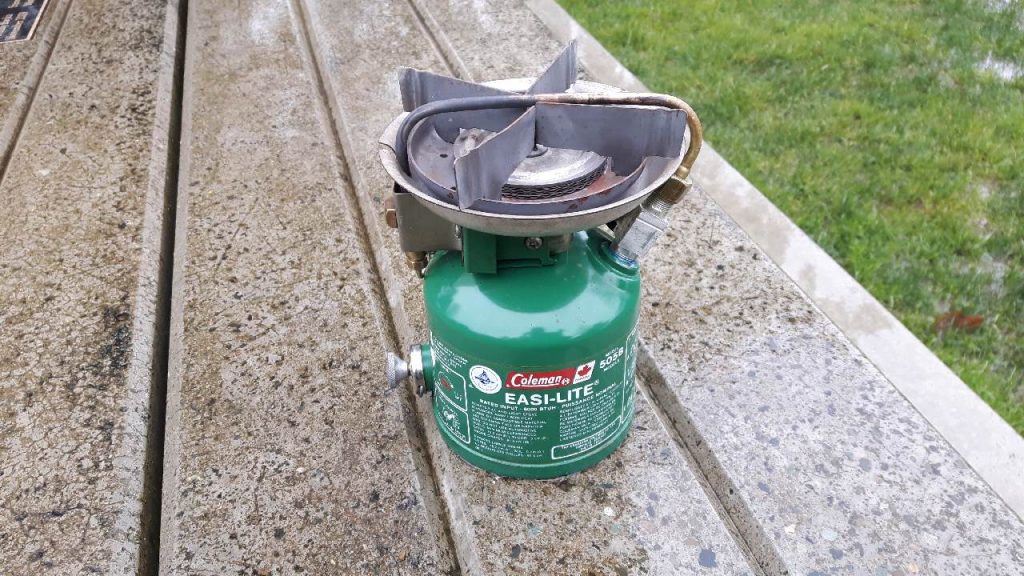
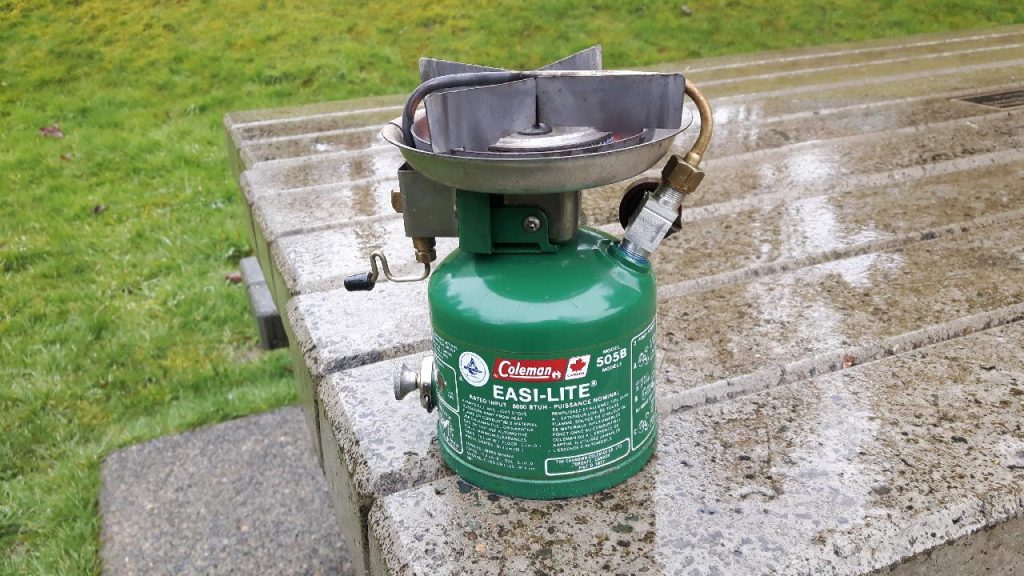
The Coleman 505B is a single-burner stove made by Coleman Canada, part of a series of compact, portable stoves designed for camping and outdoor use. The 505 series, including the 505B, is known for its lightweight design and efficient fuel use, making it popular among backpackers and campers.
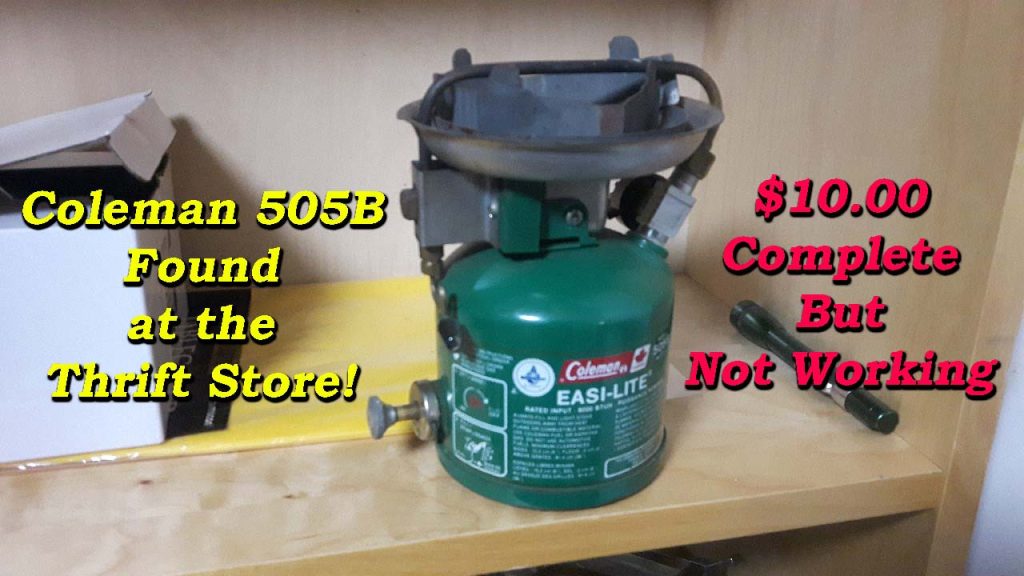
The 505B was produced in the late 1980s (My 505B was made in January 1983). It’s a multi-fuel stove, capable of running on Coleman fuel (white gas) or unleaded gasoline, and features a simple valve system that transitions from “Off” to “Light” to “Run” in less than one full turn of the valve wheel.
Unlike earlier models like the 505, the 505B uses an O-ring instead of a Schrader valve to control the fuel-air mixture, which simplifies its design and maintenance.
The stove was manufactured at Coleman’s Toronto factory, which operated independently from the U.S.-based Coleman Company for certain models. The 505B is part of a lineage of Canadian-made stoves that were tailored for rugged outdoor use, often with slight variations from their American counterparts. It typically came with an aluminum fuel tank and a burner assembly that provided a stable flame for cooking in various conditions. Its compact size and durability made it a reliable choice for outdoor enthusiasts.
Parts List for the Coleman 505B Single Burner Stove
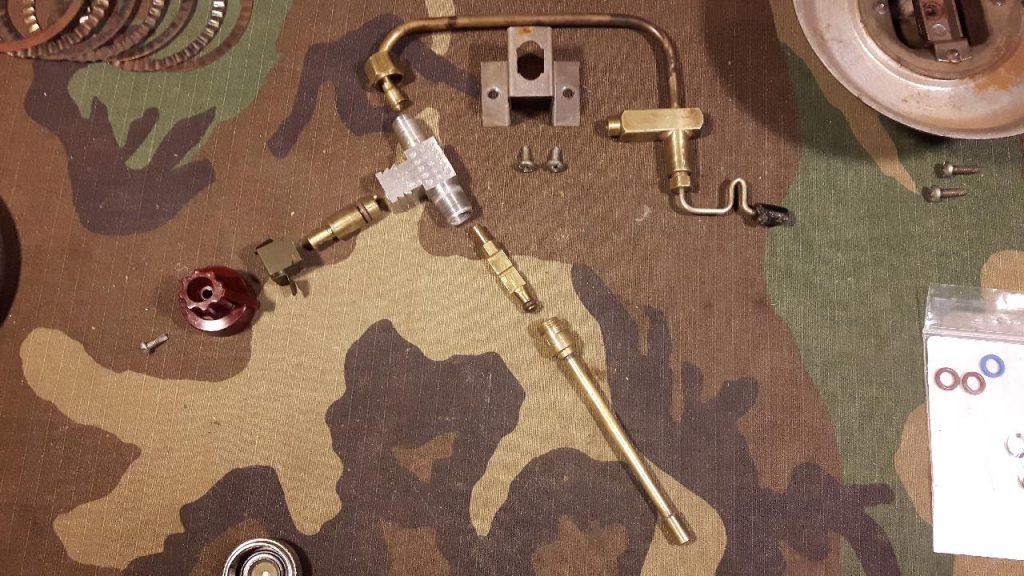
Finding an exact parts list for the 505B can be tricky since Coleman doesn’t always publish detailed breakdowns for every model, especially older Canadian variants. However, based on available information about similar single-burner stoves (like the 505 series and other Coleman models such as the 533, 502 or 576), here’s a general list of components that would likely apply to the 505B.
Note that some parts may be specific to the 505B’s design (e.g., the O-ring system), and availability may depend on vintage parts suppliers:
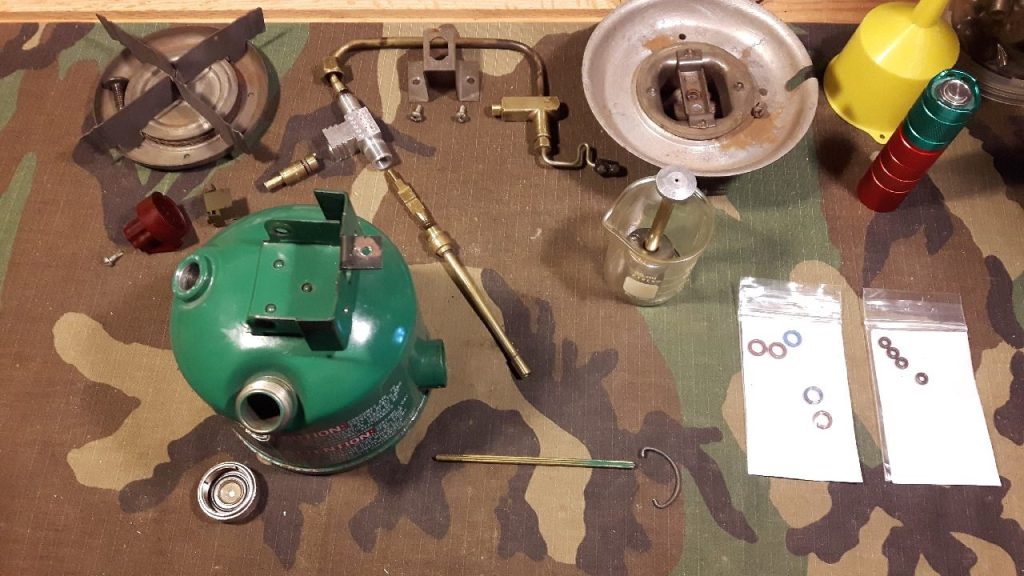
Fuel Tank (Fount)
The aluminum container that holds the fuel, typically stamped with the model number and date (e.g., 1-89 for January 1989).
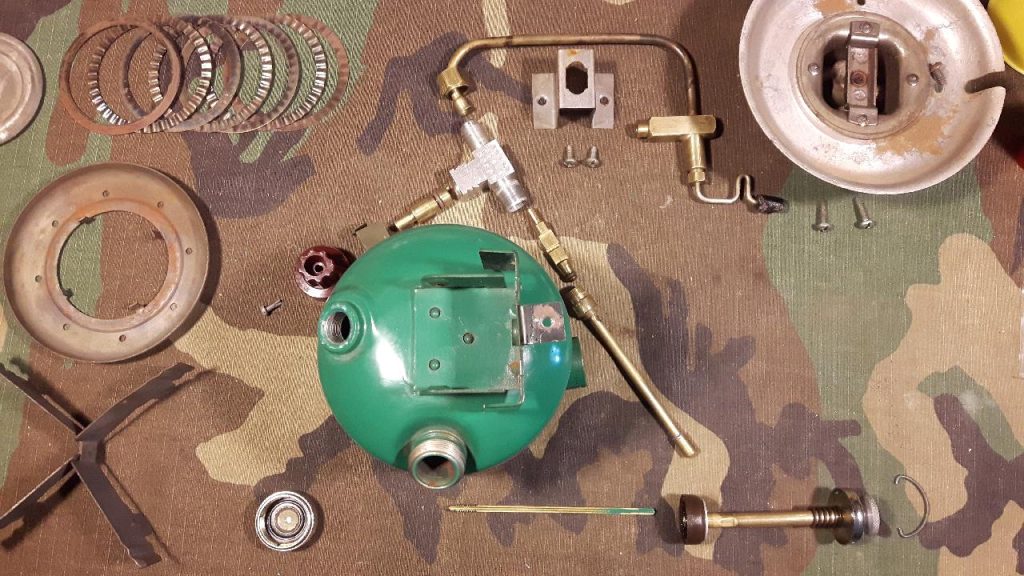
Burner Assembly
Includes the burner head where the flame is produced. For the 505B, this would be a single-burner design.

Generator
A tube that vaporizes the liquid fuel before it reaches the burner. Compatible generators might include part numbers like 533-5891 (used in similar models such as the 533 or 502A).
Valve Assembly
Controls fuel flow from the tank to the burner. For the 505B, this would include the valve wheel and stem, with an O-ring seal instead of a Schrader valve.
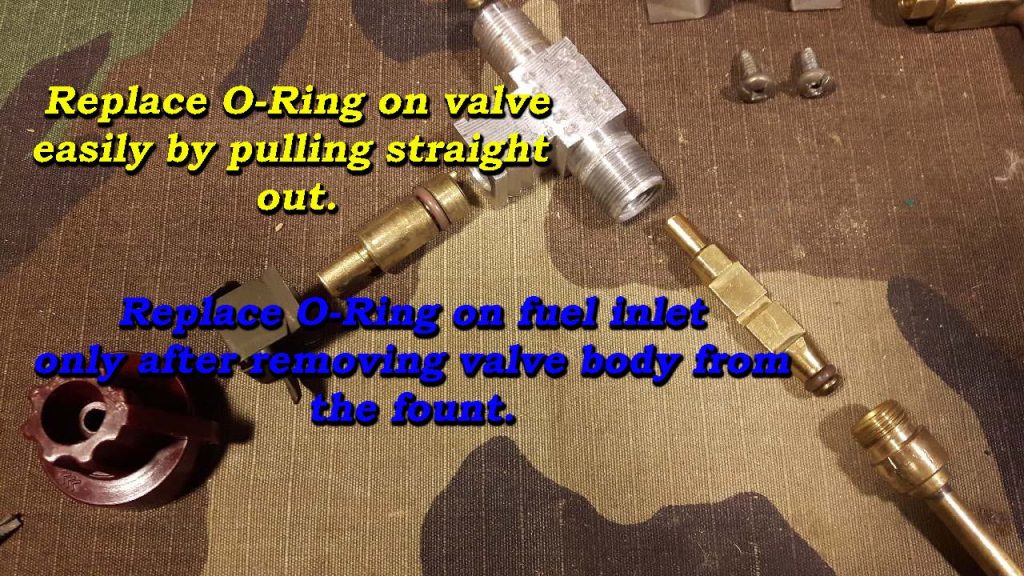
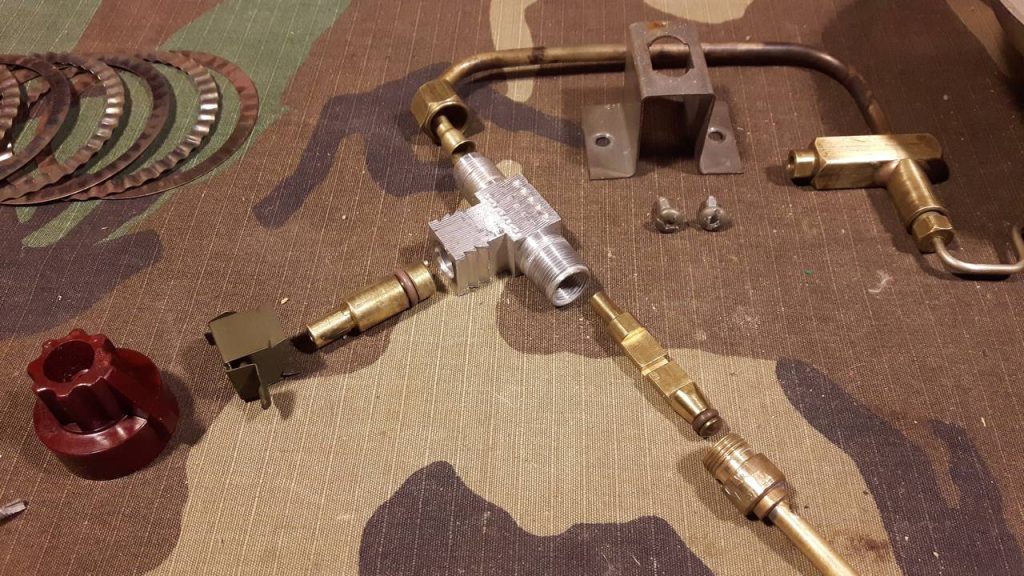
O-Ring
A rubber seal in the valve assembly, unique to the 505A and 505B, replacing the Schrader valve of earlier models.
Pump Assembly
Pressurizes the fuel tank. Includes:

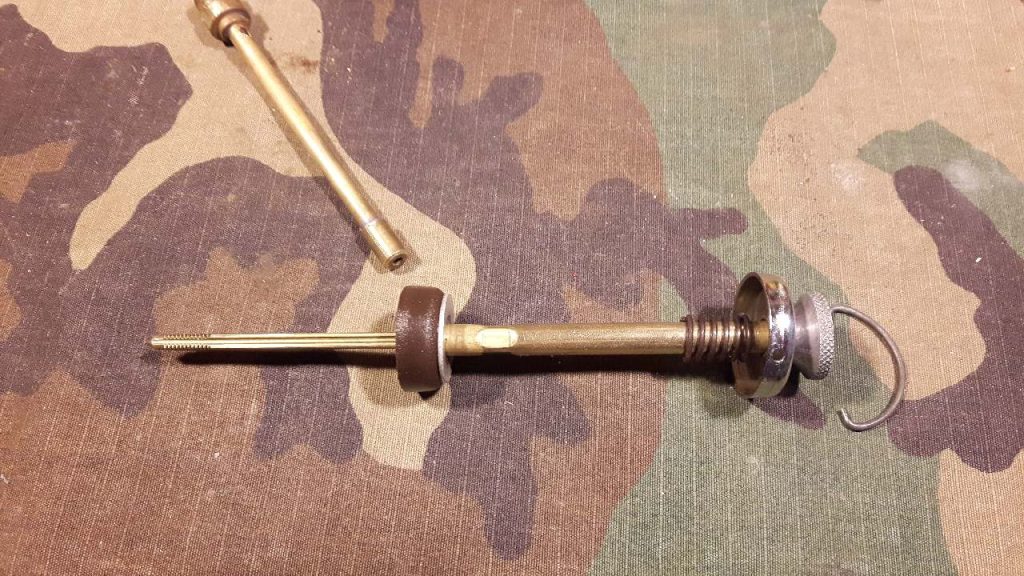
Pump Plunger: The rod you pump to build pressure.
Pump Cup: A leather or neoprene cup (e.g., 7/8-inch diameter, common to many Coleman stoves).
Pump Check Valve: Prevents air/fuel from escaping back through the pump (often brass).
Pump Spring and Clip: Secures the pump components.
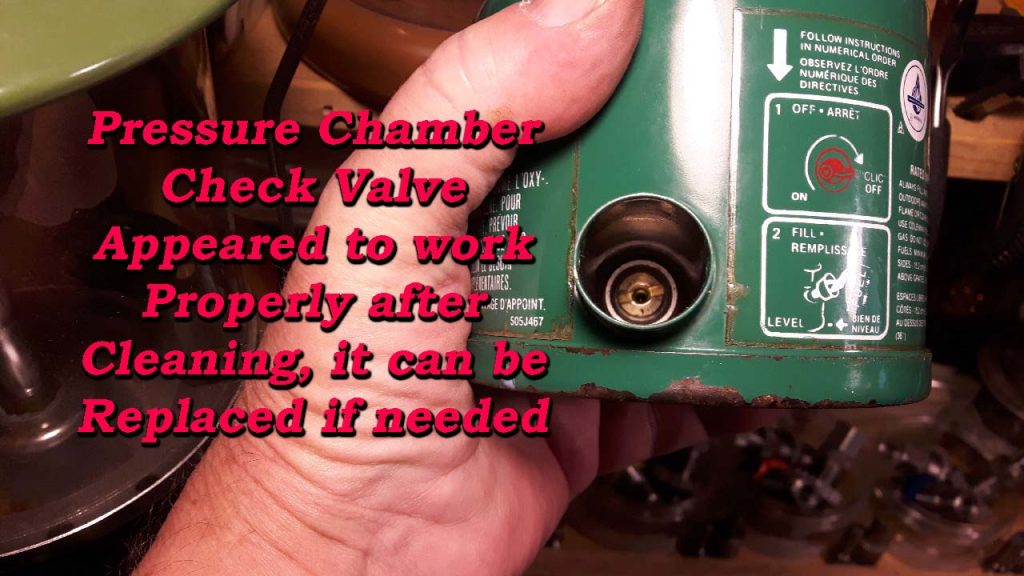
Filler Cap
The cap for adding fuel to the tank, typically with a gasket to ensure a tight seal. For one-piece caps, a compatible gasket might be similar to those sold by OldColemanParts.com.
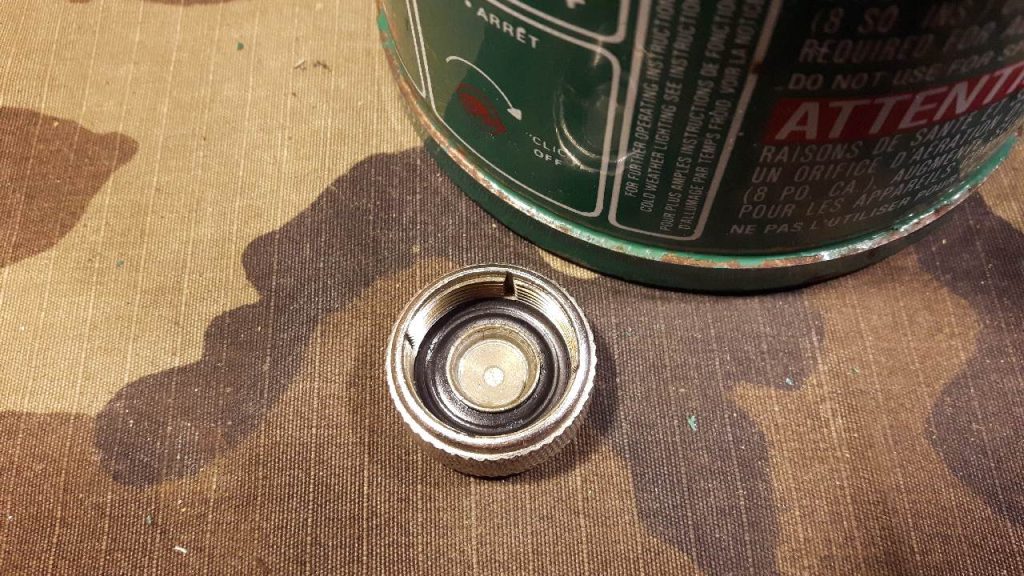
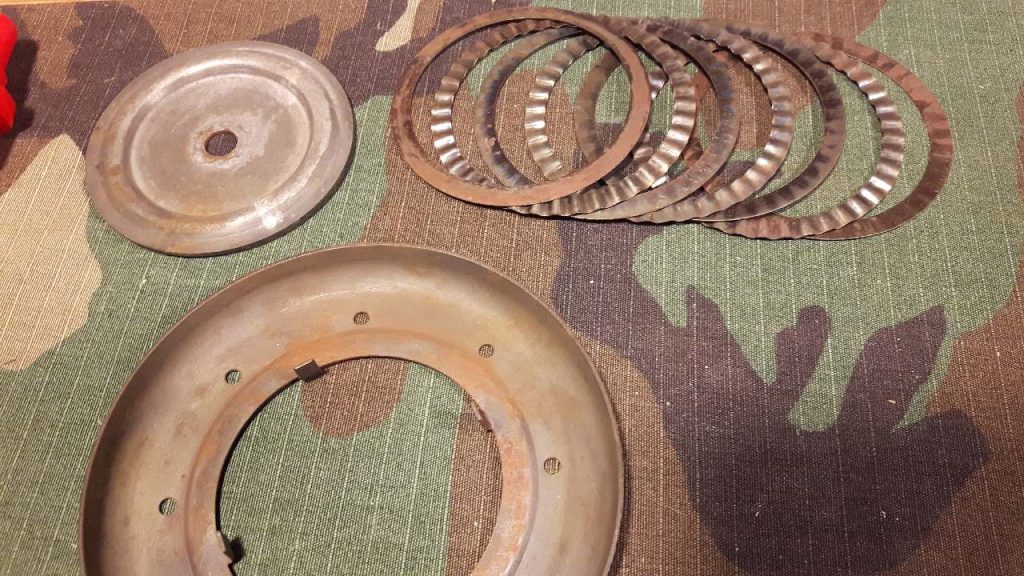
Burner Bowl
A metal dish below the burner that directs the flame and catches drips.
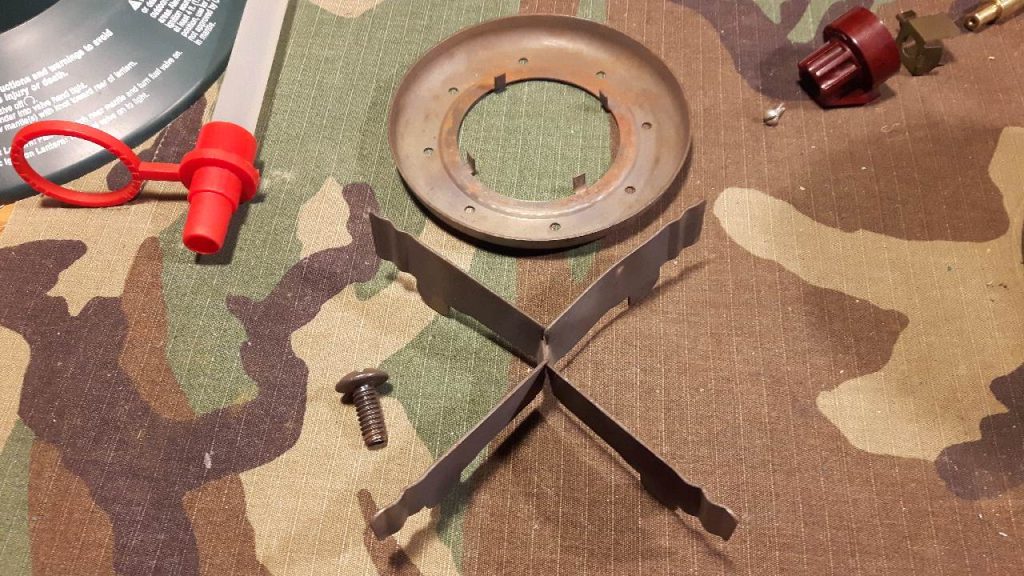
Burner Rings
Metal rings that sit in the burner bowl to diffuse the flame evenly.
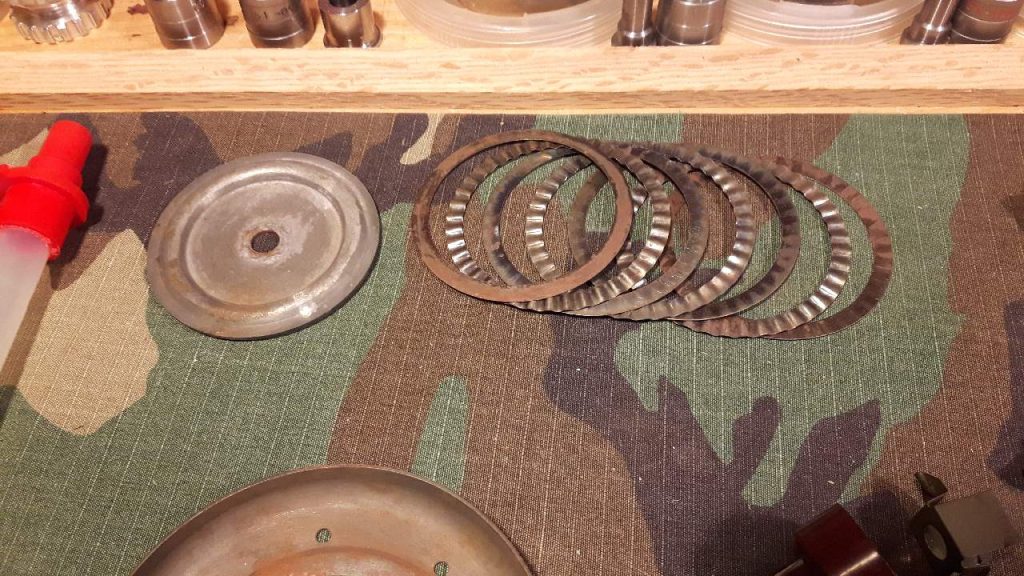
Tip Cleaner Assembly
A small rod with a red plastic knob (reproduction parts available) to clean the generator tip, compatible with models like the 502 and 533.
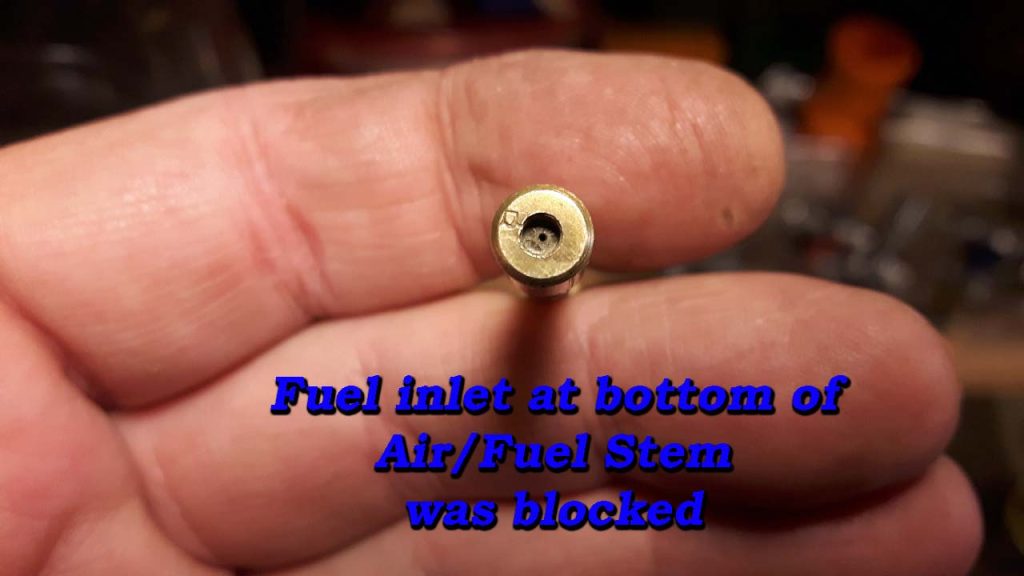
Fuel Tube
Connects the valve to the generator, delivering fuel to the burner.
Notes on Parts Availability
Official Sources: Coleman’s current website (coleman.com) offers parts for newer models, but the 505B, being a discontinued Canadian model from 1989, is unlikely to have parts listed there. Check their “Repair & Replacement Parts” section for similar components.
Vintage Suppliers: Sites like OldColemanParts.com or eBay.ca often carry parts for older Coleman stoves.
If you’re looking to repair or maintain a 505B, you’d need to identify the specific part visually or by comparing it to similar models (e.g., 505A, 533). Cross-referencing with exploded diagrams from OldTownColeman.com or OldColemanParts.com could help confirm compatibility.
O-Ring Information
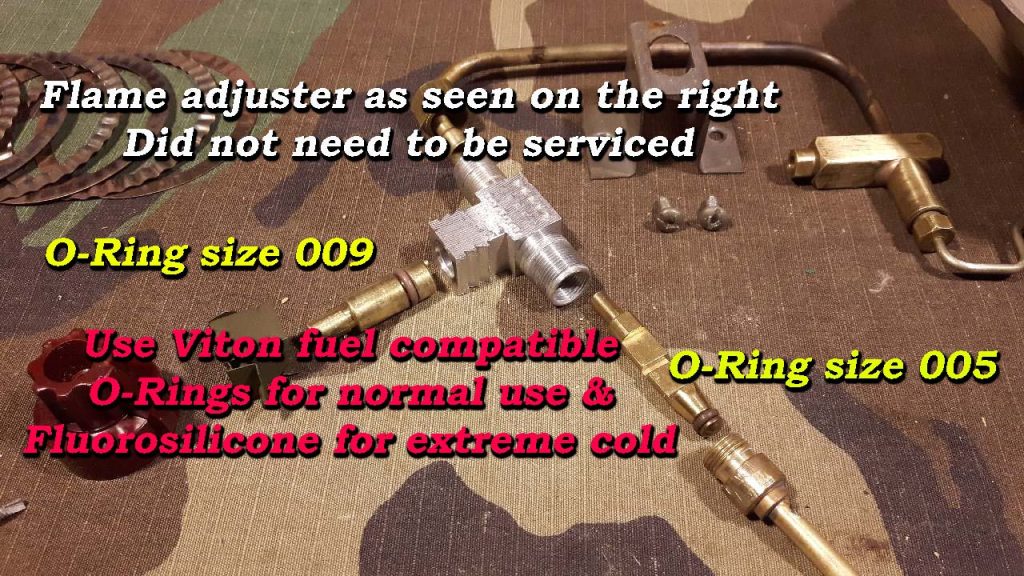
Useful O-Ring sizes to know.
005 – CS 1/16 ID 3/32 OD 7/32 (Used in my 505B Stove)
006 – CS 1/16 ID 1/8 OD 1/4
007 – CS 1/16 ID 5/32 OD 9/32
008 – CS 1/16 ID 3/32 OD 7/32
009 – CS 1/16 ID 3/16 OD 5/16 (Used in my 505B Stove)
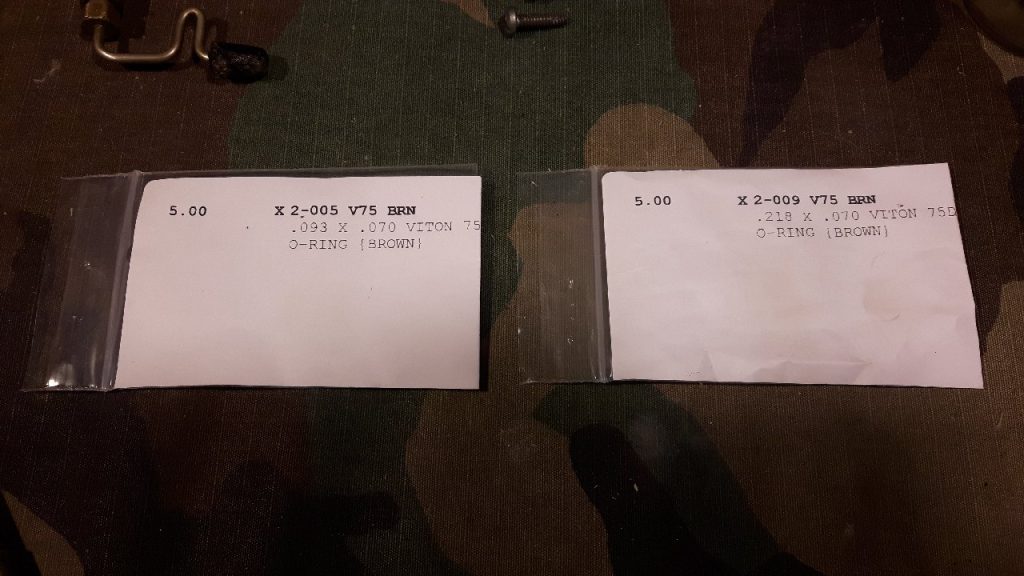
Fluorosilicone and Viton are both high-performance elastomers commonly used to make O-rings, but they differ significantly in composition, properties, and applications. Below is a detailed comparison of O-rings made from these two materials, focusing on their differences.
Material Composition
Fluorosilicone (FVMQ): A hybrid of silicone and fluorocarbon, fluorosilicone combines a silicone backbone (siloxane) with fluorinated side chains. This gives it a unique blend of flexibility and chemical resistance.
Viton (FKM): A fluorocarbon elastomer (fluorinated hydrocarbon polymer), typically based on vinylidene fluoride and hexafluoropropylene. It’s a fully synthetic rubber with a high fluorine content, designed for extreme chemical and thermal resistance.
Key Properties and Differences
Temperature Resistance
Fluorosilicone: Performs well in a wide temperature range, typically from -60°C to +200°C (-76°F to +392°F). Its silicone base gives it excellent low-temperature flexibility, making it ideal for cold environments.
Viton: Handles higher temperatures, typically from -20°C to +250°C (-4°F to +482°F), with some grades (e.g., Viton GF) enduring short-term peaks up to 315°C (600°F). It’s less flexible at low temperatures compared to fluorosilicone.
Difference: Fluorosilicone excels in colder conditions, while Viton is superior at higher temperatures.
Chemical Resistance
Fluorosilicone: Offers good resistance to fuels, oils, and some solvents (e.g., gasoline, jet fuel), thanks to its fluorinated groups. However, it’s less resistant to aggressive chemicals like ketones, esters, and concentrated acids compared to Viton.
Viton: Exceptional resistance to a broad range of chemicals, including fuels, oils, acids, alkalis, and aromatic hydrocarbons. It’s highly resistant to swelling in harsh environments like benzene or toluene.
Difference: Viton has broader and stronger chemical resistance, while fluorosilicone is more limited, especially against polar solvents and acids.
Mechanical Properties
Fluorosilicone: Retains flexibility and elasticity due to its silicone base, with a typical tensile strength of 5-10 MPa and good compression set resistance at low temperatures. However, it has lower tear and abrasion resistance.
Viton: Higher tensile strength (10-20 MPa) and better durability under mechanical stress. It’s tougher and more resistant to wear, but it’s stiffer, especially at low temperatures.
Difference: Fluorosilicone is softer and more flexible, while Viton is harder and more robust mechanically.
Fuel and Oil Resistance
Fluorosilicone: Excellent resistance to petroleum-based fuels and oils, making it a go-to for aerospace and automotive applications involving jet fuel or gasoline.
Viton: Also excellent with fuels and oils, but it extends to synthetic lubricants and biodiesel, where fluorosilicone might degrade faster.
Difference: Both are strong in this area, but Viton handles a wider variety of fuel types, including harsher synthetic blends.
Weather and Ozone Resistance
Fluorosilicone: Superior resistance to weathering, UV, and ozone due to its silicone heritage. It maintains integrity in outdoor or high-altitude environments.
Viton: Good resistance to ozone and weathering, but not as outstanding as fluorosilicone in prolonged exposure to atmospheric conditions.
Difference: Fluorosilicone outperforms Viton in outdoor aging scenarios.
Cost
Fluorosilicone: Generally more expensive due to its specialized silicone-fluorocarbon blend and niche applications (e.g., aerospace).
Viton: Also costly, but more widely available and often less expensive than fluorosilicone for general industrial use.
Difference: Fluorosilicone tends to have a higher price tag, reflecting its specialized properties.
Applications
Fluorosilicone O-Rings: Commonly used in aerospace (fuel systems, seals in jet engines), automotive fuel systems, and cold-climate applications where flexibility and fuel resistance are critical. Example: Sealing the valve assembly in a Coleman 505B stove exposed to gasoline in freezing conditions. Fluorosilicone O-Rings can work to -60 degrees C.
Viton O-Rings: Found in chemical processing, oil and gas industries, automotive engines, and high-temperature seals. Example: Sealing hydraulic systems or fuel injectors in harsh chemical environments. Viton O-Rings can work to -20 degrees C.
Which to Choose?
For a Coleman 505B Stove: If the O-ring seals the valve assembly exposed to Coleman fuel or gasoline in varying climates, fluorosilicone might be preferable due to its fuel resistance and flexibility in cold weather (common during camping). However, if the stove operates in hotter conditions or you need longer-term durability, Viton could be a better fit.
General Use: Viton is more versatile for extreme chemical and heat exposure, while fluorosilicone shines in cold, fuel-rich, or outdoor settings.
Special Thanks:
Special Thanks to @OldTownColeman @king.coleman @jiujitsu2000 as well as many many other channels on YouTube that provide good information about Coleman products!
Thank you EVERYBODY for the help! Mike.