
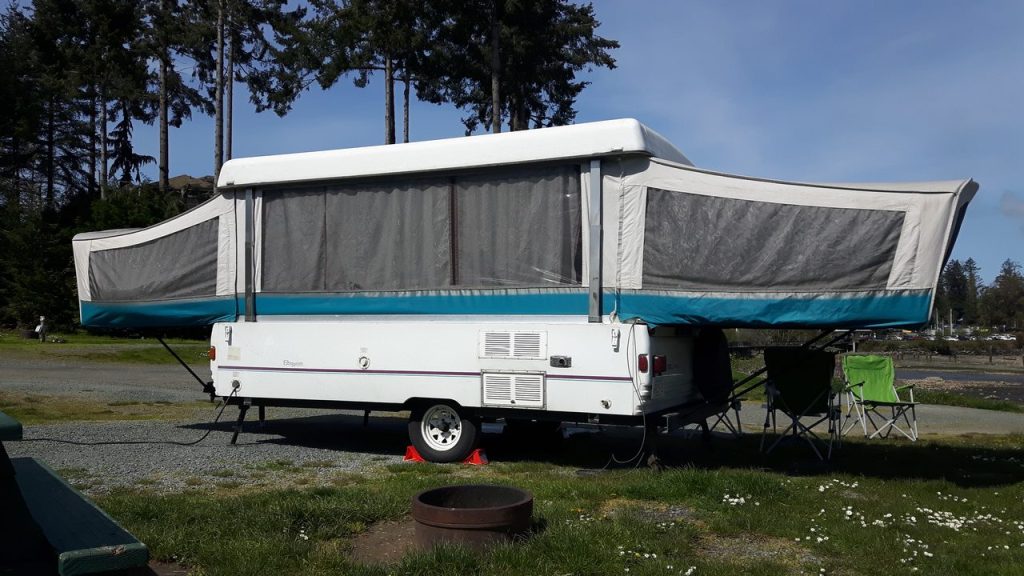
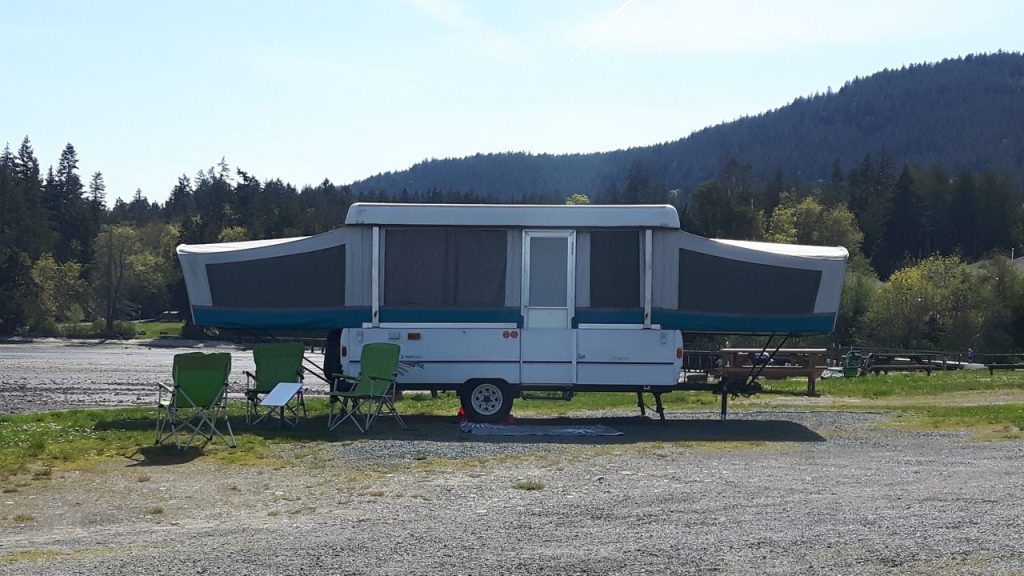
This one is a Coleman/Fleetwood I think. As a kid we had a tent trailer, and many fun trips!
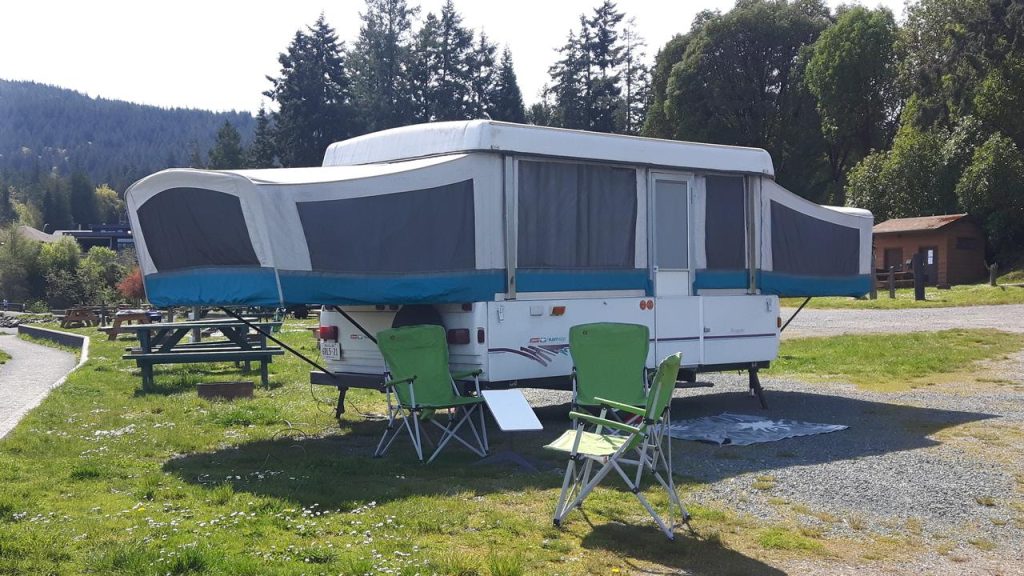
Coleman tent trailers, also known as pop-up campers or folding camping trailers, were historically manufactured by The Coleman Company and later by Fleetwood RV and Dutchmen (under Thor Industries). While Coleman no longer produces tent trailers (discontinued around 2011), they remain popular in the used market for their affordability, lightweight design, and suitability for casual camping. Below is a detailed overview of Coleman tent trailers, including pros, cons, and miscellaneous details, based on available information and user feedback.
Overview of Coleman Tent Trailers
History and Manufacturing:
- Origin: Coleman began producing pop-up tent trailers in 1967, becoming North America’s top-selling brand by 1979. In 1989, Coleman sold its designs to Fleetwood RV, which continued production until 2008. Dutchmen, a Thor Industries subsidiary, manufactured Coleman-branded trailers from 2010 until around 2011, when pop-up production ceased.
- Current Status: Coleman tent trailers are no longer in production, but used models (e.g., Bayside, Santa Fe, Mesa, Utah, Evolution Series) are widely available through platforms like RV Trader, Kijiji, and private sales.
- Design: These trailers feature a collapsible design with canvas or vinyl walls, hard-sided roofs, and slide-out tent beds. They’re towed by a variety of vehicles, including SUVs and minivans, due to their lightweight construction (1,500–3,500 pounds).
Models and Features:
- Popular Models: Included Americana Series (e.g., Utah, Cheyenne), Evolution Series (e.g., E2, E3), and models like Bayside, Santa Fe, Mesa, and Destiny. Models varied from basic (Destiny) to deluxe (Bayside with slide-outs and larger floorplans).
- Layouts: Typically sleep 6–10 people with tent-end beds (king or queen), convertible dinettes, and optional slide-outs. Features include 3-way fridges, furnaces, stovetops, sinks, water tanks (20–30 gallons), and optional add-on rooms or awnings.
- Construction: Aluminum or steel frames with fiberglass or ABS plastic roofs. Canvas or vinyl tent material with screened windows. Some models had diamond plate rock guards and enclosed underbellies for durability.
- Weight and Towing: Dry weights range from 1,500 pounds (e.g., Destiny) to 3,500 pounds (e.g., Bayside). Towable by vehicles with 3,500–5,000-pound tow ratings, like Jeep Grand Cherokees or Toyota Siennas.
- Dimensions: Collapsed, they’re 16–24 feet long and 7–8 feet wide, with low profiles (4–5 feet high) for easy towing. Expanded, they offer 20–30 feet of living space with 6.5–7-foot interior heights.
Price:
- Used Market: Prices for used Coleman tent trailers range from $3,000–$12,000, depending on age, condition, and features. For example, a 1998 Santa Fe might cost $3,200, while a 2010 Evolution E3 could be $12,000.
- Availability: Listings are common on RV Trader, Kijiji, and eBay, with models from the 1990s and 2000s being most prevalent.
Pros of Coleman Tent Trailers
- Affordability:
- Used Coleman tent trailers are budget-friendly, often under $10,000, making them accessible for first-time RVers or families. They’re significantly cheaper than travel trailers or truck campers.
- Low maintenance costs compared to hard-sided RVs, with simple systems (e.g., manual crank lifts, basic plumbing).
- Lightweight and Towable:
- Weighing 1,500–3,500 pounds, they’re towable by many SUVs, minivans, or light trucks, unlike heavier Arctic Fox truck campers that require one-ton dually trucks.
- Compact when collapsed, they’re easy to store in garages or driveways and have low wind resistance when towing.
- Spacious When Expanded:
- Offer ample living space with slide-out beds and dinettes, sleeping 6–10 people. For example, a 2010 Evolution E3 with two slides sleeps 10 and includes a bathroom entrance.
- Add-on rooms or screened awnings increase usable space for gear or lounging.
- Ease of Setup:
- Most models feature manual or power lift systems (e.g., Goshen lift system) that raise the roof in 5–10 minutes. Setup is straightforward for one or two people, with features like pin-and-ring pole designs for tent ends.
- Users report quick setup compared to traditional tents, ideal for weekend trips.
- Versatility:
- Suitable for car camping, state parks, or mild off-grid trips. They provide a balance of tent-like openness (ventilation, outdoor feel) and RV amenities (kitchen, furnace).
- Compatible with a variety of tow vehicles, broadening their appeal.
- Durability for Age:
- Older models (1990s–2000s) are praised for sturdy construction, with aluminum frames and fiberglass roofs holding up well if maintained. Users report 20+ years of use with proper care.
- Canvas and screens are replaceable, extending the trailer’s life.
- Brand Reputation:
- Coleman’s legacy as a camping gear leader (lanterns, tents, stoves) lends trust. Even older models are valued for their reliability for casual camping.
Cons of Coleman Tent Trailers
- Discontinued Production:
- No new models are available, limiting options to the used market. Finding well-maintained units can be challenging, and some require repairs (e.g., canvas tears, lift system issues).
- Replacement parts (e.g., lift cables, canvas, roof seals) are available through specialty retailers like Coleman Pop Up Parts but may be hard to source for rare models.
- Limited Weather Resistance:
- Canvas walls are less weatherproof than hard-sided RVs like Arctic Fox truck campers. They handle light rain but may leak in heavy storms if seams aren’t sealed or canvas is worn.
- Not true four-season campers; insulation is minimal, and furnaces (if included) struggle in sub-freezing temperatures. Users report condensation issues in cold, wet conditions.
- Maintenance Demands:
- Canvas requires regular cleaning, waterproofing, and storage in dry conditions to prevent mold or tears. Neglected canvas often needs replacement, costing $500–$2,000.
- Lift systems (cables, pulleys) can wear out, requiring mechanical know-how or professional repair. Roof seals and ABS panels may crack over time, leading to leaks.
- Basic Amenities:
- Compared to modern travel trailers or Arctic Fox campers, Coleman tent trailers lack luxury features (e.g., full bathrooms, large fridges, solar prep). Most have wet baths or portable toilets, if any.
- Water and propane systems are small (20–30 gallons fresh, 10–20-pound propane tanks), limiting boondocking to 3–5 days without refills.
- Not Ideal for Extreme Conditions:
- Canvas walls and lightweight frames are less durable in high winds or rough terrain compared to hard-sided RVs. Users report instability in gusty conditions if not properly staked.
- Unsuitable for extreme off-roading, unlike some truck campers designed for rugged trails.
- Aging Design:
- Older models lack modern features like USB ports, LED lighting, or advanced ventilation. Interiors (e.g., wood paneling, dated fabrics) feel outdated compared to newer RVs.
- Some units have minor issues, like non-working stove levers or missing keys, requiring DIY fixes.
- Resale and Warranty:
- Resale value is low due to age and market saturation of used units. No manufacturer warranty exists for used trailers, increasing repair cost risks.
- Some buyers report issues with dealers like Camping World not honoring warranties on used units.
Miscellaneous Details
- Setup and Storage:
- Setup involves cranking the roof (manual or electric), extending tent beds, and securing guylines. Takedown requires folding canvas carefully to avoid tears. Users recommend practicing setup before trips.
- Store in dry, covered areas to prevent canvas mold and frame rust. Collapsed size (16–24 feet long, 4–5 feet high) fits most garages.
- Towing Requirements:
- Check tow vehicle’s capacity (e.g., 3,500-pound tow rating for a 2,000-pound trailer). A weight distribution hitch and sway control are recommended for heavier models like Bayside. Ensure proper tongue weight (10–15% of trailer weight).
- Electric brakes on some models require a brake controller in the tow vehicle.
- Modifications and Upgrades:
- Owners often add solar panels (100–200 watts), portable inverters, or battery upgrades for off-grid camping. Canvas can be treated with waterproofing sprays (e.g., 303 Fabric Guard).
- DIY fixes include replacing zippers, patching canvas, or upgrading to LED lights. Coleman Pop Up Parts offers kits for lift systems, water tanks, and more.
- User Experiences:
- Positive: Owners praise the “tent-like” feel with RV conveniences, ideal for families or couples. A 2018 Lantern owner found it “perfectly dependable” for weekend trips, valuing its simplicity.
- Negative: Some report quality issues, like canvas tears or lift system failures in poorly maintained units. A Reddit user called older Colemans “disposable,” expecting heavy repairs after a few years.
- Market Alternatives:
- Competitors include Forest River Rockwood, Jayco Jay Series, or Aliner hard-sided pop-ups. These may offer better insulation or modern features but cost more ($10,000–$20,000 used).
- For lightweight towing, consider newer brands like SylvanSport GO (840 pounds) for minimalist camping.
- Parts and Support:
- Coleman Pop Up Parts (colemanpopupparts.com) is a go-to for replacement parts, including lift cables, canvas, and water hoses. Users praise their fast shipping and customer service (e.g., Derek Smith’s advice on a 2003 Santa Fe repair).
- Online forums (e.g., PopUpPortal.com) and Reddit’s r/GoRVing offer community tips for maintenance and upgrades.
Pros and Cons Summary
Pros:
- Affordable, with used prices $3,000–$12,000.
- Lightweight (1,500–3,500 pounds), towable by SUVs or minivans.
- Spacious when expanded, sleeping 6–10 with slide-outs.
- Easy to set up (5–10 minutes) with manual or power lifts.
- Versatile for car camping or mild off-grid trips.
- Durable frames and roofs, with replaceable canvas.
- Trusted Coleman brand with strong used market.
Cons:
- Discontinued, limiting availability to used units.
- Canvas less weatherproof, prone to leaks in heavy rain.
- High maintenance (canvas cleaning, lift system repairs).
- Basic amenities compared to modern RVs.
- Not suited for extreme winds, cold, or off-roading.
- Dated interiors and no warranty on used units.
- Resale value low, with potential repair costs.
Recommendation
Coleman tent trailers are a great choice for budget-conscious campers seeking a lightweight, towable option for three-season car camping or short boondocking trips. They’re ideal for families or couples with SUVs or minivans, offering a tent-like experience with RV conveniences at a fraction of the cost of hard-sided RVs like Arctic Fox truck campers. However, their canvas walls and basic features limit use in extreme weather or rugged terrain, and maintenance is key to longevity. When buying used, inspect the canvas, lift system, and roof seals thoroughly, and budget for potential repairs ($500–$2,000). For parts, check Coleman Pop Up Parts, and verify your tow vehicle’s capacity (3,500–5,000-pound rating).
Go camping this summer! Have fun!