
Richard Wagner’s “Ride of the Valkyries” is one of the most recognizable pieces of classical music ever written. It comes from his four-opera cycle Der Ring des Nibelungen (The Ring of the Nibelung) and appears at the beginning of Act III of Die Walküre (The Valkyrie), first performed in 1870.
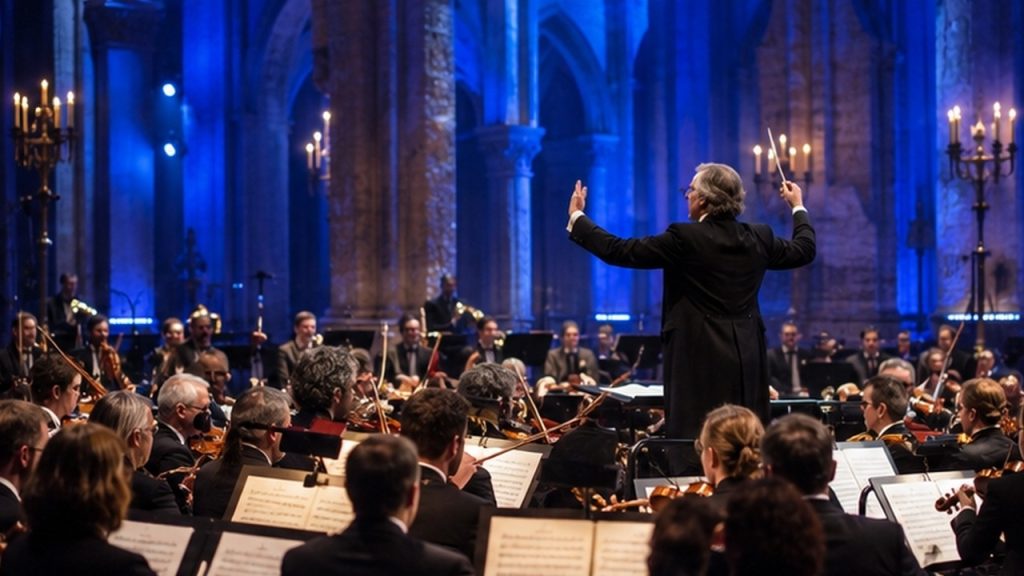
The music accompanies the Valkyries—mythical warrior women who serve the god Wotan—as they ride through the skies gathering fallen warriors for Valhalla. Its powerful brass fanfare, galloping rhythm, and soaring melody give it an unmistakably heroic and dramatic character, which has helped make it a favorite in films, television, concerts, and popular culture.
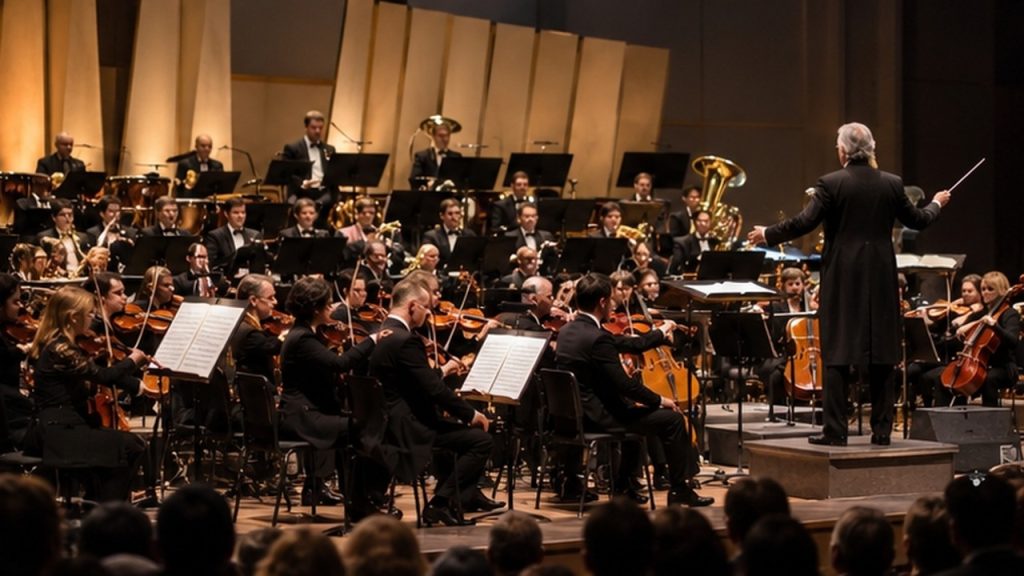
A few interesting points
- Composer: Richard Wagner (1813–1883)
- Opera: Die Walküre (The Valkyrie)
- Premiere: 1870, Munich
- Larger work: Part of Wagner’s four-opera Ring Cycle
- Original German title: Walkürenritt (“Ride of the Valkyries”)
- Musical style: Late Romantic opera, with enormous orchestral forces and highly dramatic writing
- The Valkyries: In Norse/Germanic mythology, they are supernatural female figures associated with choosing warriors who die in battle.
- Famous musical feature: The opening combines a driving, repeated rhythmic figure with a memorable brass melody.
- Popular culture: The piece has been used extensively in movies and television, often to represent an exaggerated sense of military power, danger, or heroic action.
- Important distinction: The famous “Ride” is actually a relatively short portion of Die Walküre, rather than an entire standalone composition originally conceived as a separate concert piece.
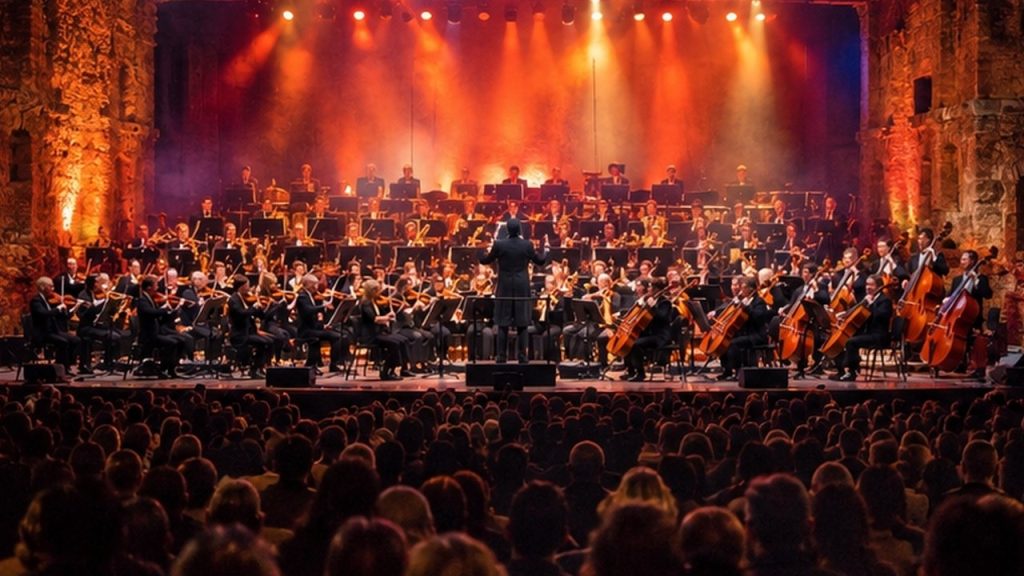
“Ride of the Valkyries” is a perfect example of Wagner’s ability to turn an orchestral sound into something almost visual—you can practically hear the Valkyries charging across the sky. More than 150 years after its premiere, its opening remains one of the instantly recognizable sounds in Western classical music.