
Here’s a practical breakdown tailored to West Coast Canada (BC) and the PNW USA (e.g., Puget Sound, Washington, Oregon) intertidal zones, focusing on harvestable species like clams, mussels, oysters, and crabs.
The three major intertidal zones are generally:
- High intertidal (upper zone, near high water line; exposed longest)
- Mid intertidal (middle zone; balanced exposure)
- Low intertidal (lower zone; exposed only at lower tides, transitions to subtidal)

Note: Many beaches in Crofton/Strait of Georgia area are mixed (rock + gravel/sand + eelgrass), so species overlap between substrates and zones. Zonation is driven by exposure time, wave energy, and substrate. Always check DFO (BC) or WDFW (WA) rules, openings, biotoxins, and size limits before harvesting.
High Intertidal (Upper Zone)
Exposed most of the time; harsher conditions. Firmer or sandier areas higher on the beach.
Sandy/Mixed Gravel-Sand:
- Manila clams (higher up)
- Some varnish clams (invasive, common)
- Occasional small littlenecks near the upper edge
Rocky/Cobble:
- Barnacles (abundant)
- Periwinkles and small snails
- Some mussels (e.g., blue mussels in sheltered spots)
- Limited oysters or larger clams due to exposure and substrate

Fewer large harvestable clams/crabs here overall.
Mid Intertidal (Middle Zone)
Good balance of exposure; high diversity and productivity on many PNW/BC beaches.
Sandy/Mixed Gravel-Sand:
- Littleneck clams (Pacific/native) — prime zone, especially in gravelly/mixed areas
- Manila clams (extend here)
- Butter clams (upper part of their range)
- Cockles (e.g., heart cockles)
- Some horse clams (shallower edge)
Rocky/Cobble:
- Pacific oysters (on rocks, Olympia oysters in some areas)
- Mussels (e.g., California or blue mussels on rocks)
- Barnacles and limpets
- Small crabs or shore crabs under rocks
- Chitons
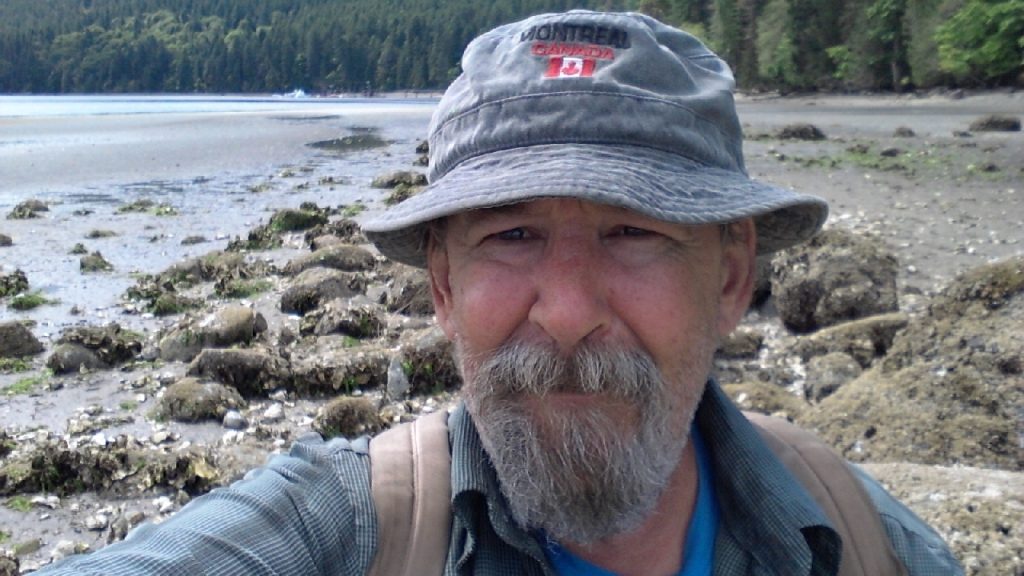
This zone often overlaps with your oyster rocks and mid-beach gravel for littlenecks.
Low Intertidal (Lower Zone)
Exposed only at lower tides; more stable moisture. Transitions to shallows/subtidal.
Sandy/Mixed Gravel-Sand/Eelgrass:
- Butter clams (prime lower zone, gravel/sand/mixed)
- Horse clams (gapers) — common, deep burrowers
- Geoducks (at low tide line/edge, in eelgrass/sand)
- Littlenecks and cockles (lower edge)
- Dungeness crabs and Red Rock crabs (in shallows, under rocks, or at waterline)
- Moon snails (hunting clams, burrowing)
Rocky/Cobble:
- More Pacific oysters (lower rocks)
- Mussels (lower beds)
- Larger crabs (Dungeness often in low intertidal to subtidal edge, especially juveniles in eelgrass)
- Sea stars, anemones, and kelp (associated)
- Occasional abalone or other rock-associated species (regulated)

Low-tide waterline crabs and eelgrass geoducks fit here perfectly.
Additional Context
- Oysters → Mostly on rocky/mixed substrates in mid-low zones.
- Mussels → Primarily attached to rocks in mid-low intertidal.
- Clams → Substrate-driven (sand/gravel for most; geoducks/butter in lower sandy/mixed).
- Crabs (Dungeness/Red Rock) → Low intertidal to shallow subtidal, often in eelgrass or under rocks.
This setup matches protected BC/Puget Sound beaches well. Observe siphon holes, tracks, and exposed animals at different tide levels for the best results.