Jump to other Aviation Related Links
- See the main page on Air Tankers & Water Bombers right here ….. more
- See the main page on Airports & Base Camps right here ….. more
- See the main page on Aviation Museums right here ….. more
- See the main page on Aviation Training right here ….. more
- See the main page on Bush Planes right here ….. more
- See the main page on Cargo & Transport Aircraft right here ….. more
- See the main page on Helicopters right here ….. more
- See the main page on Military Aircraft right here ….. more
My aviation career included almost all types of aircraft, small, medium & large planes, air tankers, but most of my time was working as a “Field Engineer” in northern Canada including the Arctic. Locations were sometimes extremely remote with little to no local support.
Let’s check out some old photos I still have and see some cool choppers!
Aerospatiale (Eurocopter)
Aerospatiale
Aérospatiale was a major French state-owned aerospace and defense corporation formed in 1970 through the merger of Nord Aviation, Sud Aviation, and SEREB. It produced a wide range of aircraft, helicopters, missiles, satellites, and launch vehicles. Its helicopter division was particularly successful, developing iconic models like the Alouette series, Gazelle, Puma, and Dauphin. In the early 1990s, Aérospatiale merged its helicopter operations with Germany’s DASA (formerly MBB) to create the Eurocopter Group (now Airbus Helicopters), which became a global leader. The parent company later evolved into parts of Airbus through further consolidations.
- Major helicopter contributions: Alouette II/III, SA 341/342 Gazelle, AS 332 Super Puma, AS 365 Dauphin.
- Key strengths: Pioneering turbine helicopters, strong international sales, and technical innovation in rotorcraft.
- Legacy: Helicopter division lives on as Airbus Helicopters, one of the world’s top manufacturers.
AS350B2 (Astar 350)
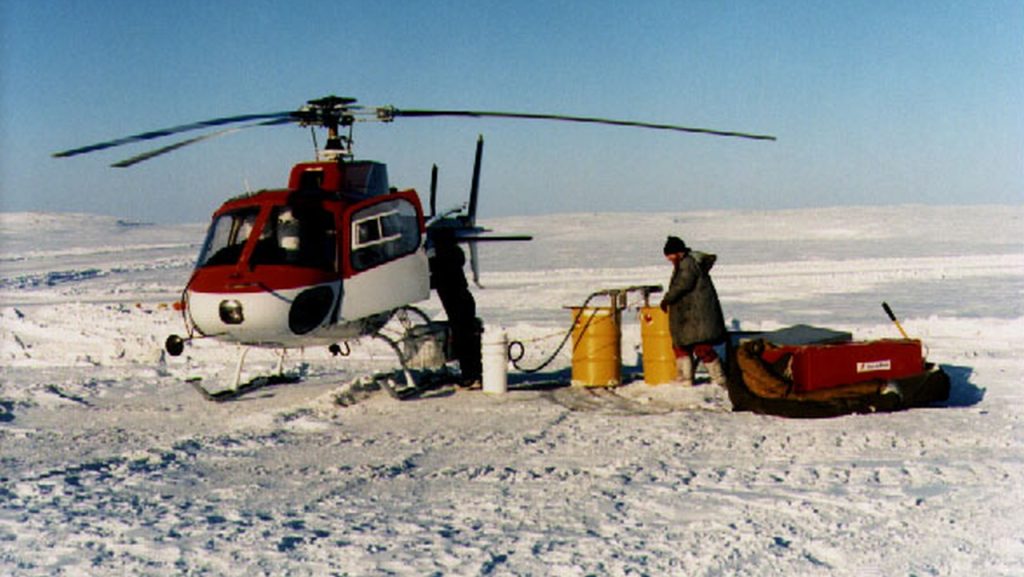
Airbus AS350 AStar (Écureuil) Specs
Modern single-engine light utility/tour helicopter. Excellent hot/high performance and versatility (EMS, utility, tours).
- Typical (B3/H125): 1 pilot + 5-6 passengers; fuselage ~36 ft; main rotor ~35 ft; max takeoff 4,960 lb (2,250 kg); useful load ~2,200+ lb; sling/external up to ~3,086 lb (1,400 kg).
- Powerplant: 1 × Safran (Turbomeca) Arriel 2B/2D series (e.g., ~847 shp / 632 kW).
- Performance: Cruise ~130-150 knots; max ~155 knots; range ~350-410 nm. High payload fraction and low maintenance.
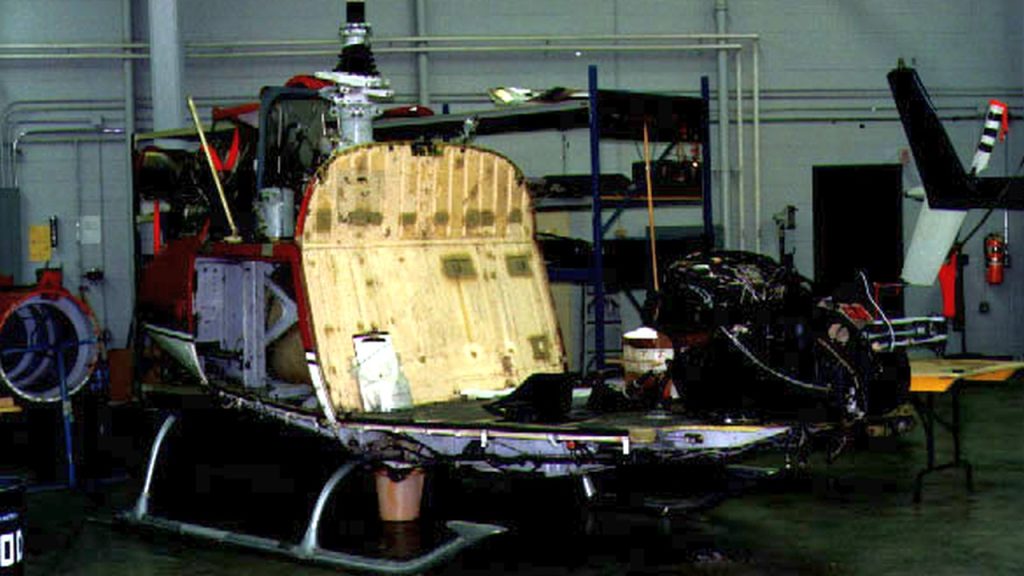
This is what we would have called “Heavy Maintenance” on an Astar 350! haha
AS355 (Twinstar)
The Twinstars “Twin Engine Astars“, were really uncommon at the time, so this was a rare treat for me.
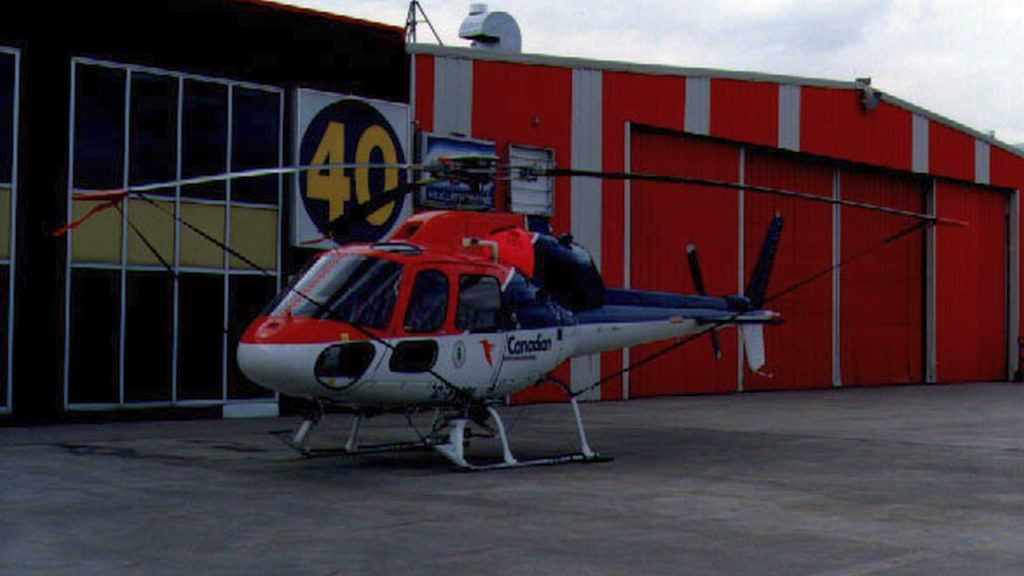
Airbus AS355 TwinStar (Écureuil 2) Specs
- Twin-engine variant of the AS350 for redundancy/safety. Similar missions with twin-engine margins.
- Performance: Cruise ~120-140 knots; range ~320-380 nm. Good for operators requiring twins.
- Typical specs: 1 pilot + up to 6 passengers; similar dimensions to AS350; max takeoff 5,600-5,732 lb (internal); up to ~6,173 lb with external; sling capacity strong for class (2,000+ lb).
- Powerplant: 2 × Allison 250-C20F or Safran Arrius 1A/1A1 (~420-550+ shp each).
Bell Helicopters
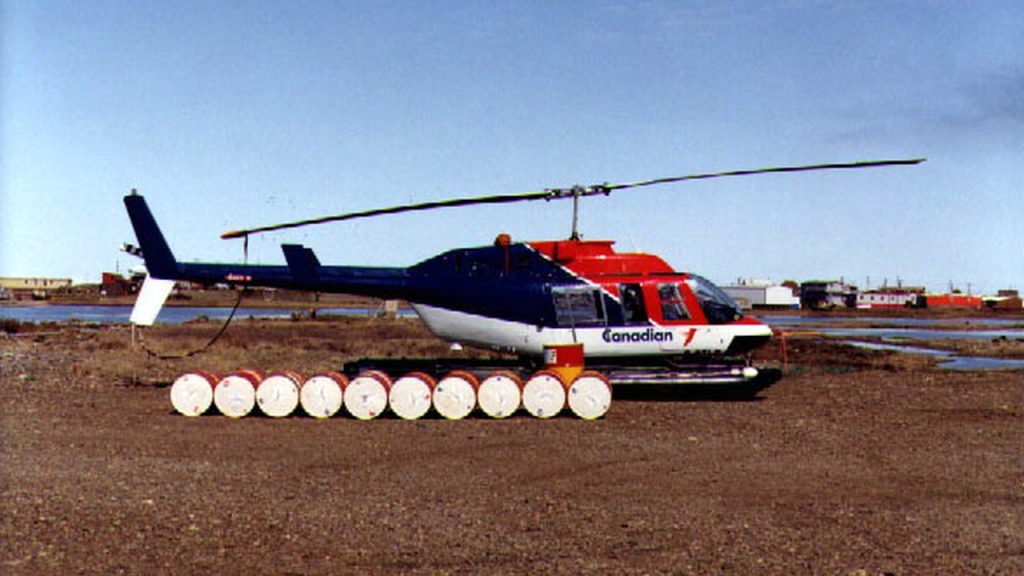
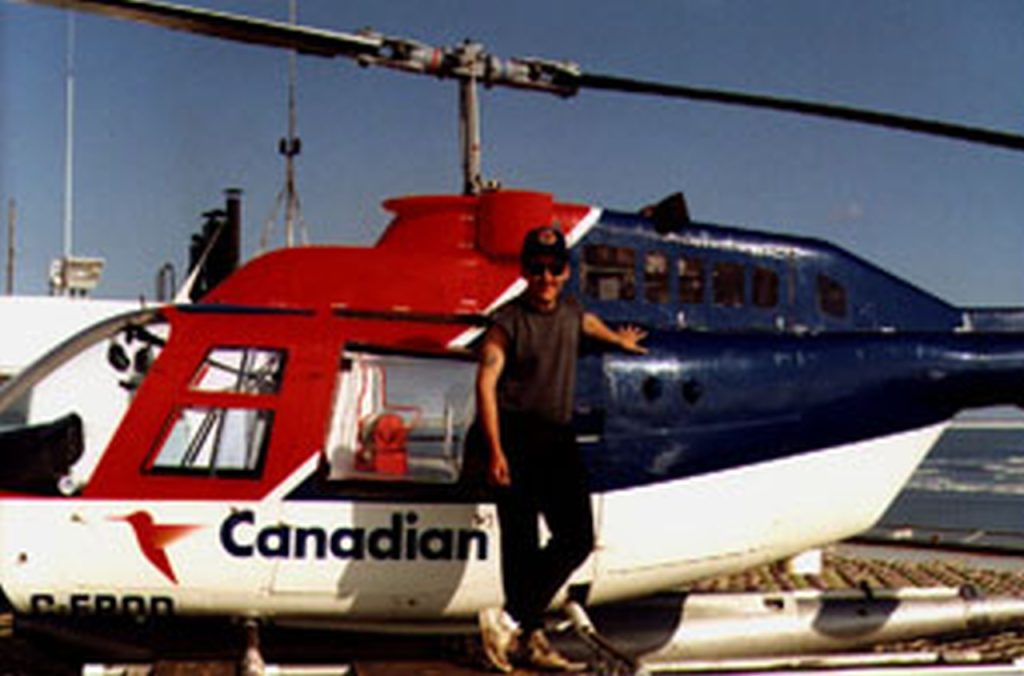
Bell Textron Inc. (formerly Bell Helicopter) traces its roots to 1935 when Lawrence “Larry” Bell founded Bell Aircraft Corporation. The company entered helicopters in the 1940s with the Model 30 and became a leader with the iconic Bell 47 (the first helicopter certified for civilian use). Acquired by Textron in 1960, it rebranded simply as Bell in 2018. Today, it produces both commercial and military rotorcraft, with facilities in Texas and Canada, known for reliable designs used in training, utility, law enforcement, and combat.
- Flagship models: Bell 206 JetRanger series, 407, 412, 429, AH-1 Cobra/SuperCobra, UH-1 Huey descendants, V-22 Osprey (tiltrotor with Boeing).
- Current status: Major supplier to U.S. military and civil operators worldwide; focuses on vertical lift innovation.
- Strengths: Proven durability, global support network, and advancements in tiltrotor technology.
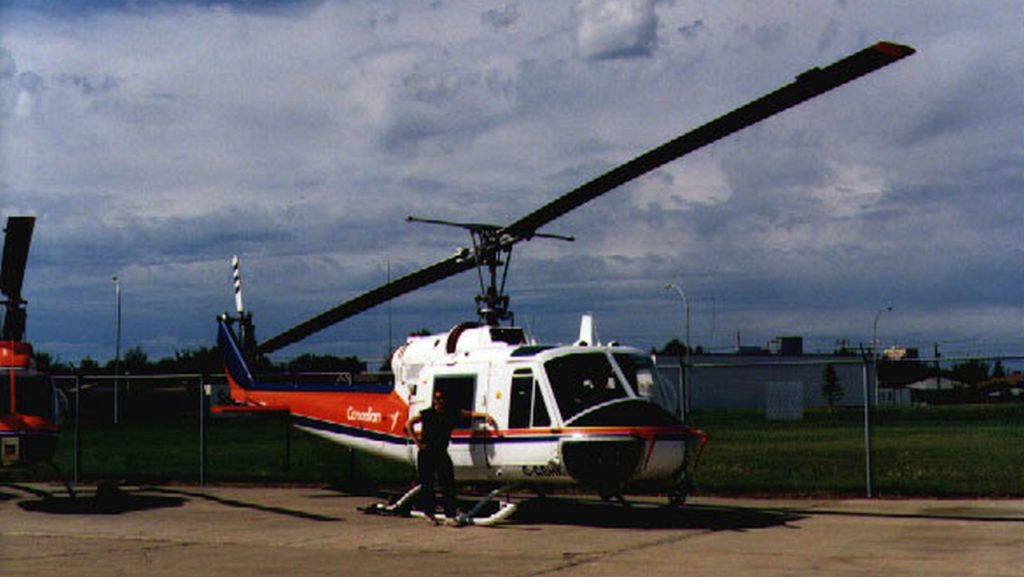
Bell 204 (Huey)
The Huey!
Bell 204 Specs
Civilian/military export version of the UH-1B Huey. Single-engine, two-bladed medium utility helicopter known for ruggedness, simplicity, and versatility in utility, passenger, cargo, and firefighting roles.
- Crew/Capacity: 1-2 crew + 8-10 passengers or ~3,000 lb (1,361 kg) internal cargo.
- Dimensions: Fuselage length ~41 ft 8 in (12.70 m); height ~14 ft 7 in (4.45 m); main rotor diameter 48 ft (14.63 m).
- Weights: Empty ~4,600 lb (2,087 kg); max takeoff ~9,500 lb (4,309 kg); external load capability up to ~1,300-4,000 lb depending on configuration (higher in some upgraded variants).
- Powerplant: 1 × Lycoming T53-L-11A (or similar T53 variants) turboshaft, ~1,100 shp (820 kW).
- Performance: Max speed ~120 knots; cruise ~110-111 knots; range ~300 nmi; service ceiling ~13,000-19,000+ ft. Excellent external load workhorse in its class.
Bell 205

All I have is this photo of a military 205.
The stretched version of a Huey!
Bell 205 Specs
Stretched, higher-capacity development of the 204 (linked to UH-1H). Popular for utility, passenger transport, firefighting (Bambi bucket), and heavy sling operations with increased cabin volume.
- Crew/Capacity: 1-2 crew + up to 13-14 passengers; internal cargo ~3,000+ lb.
- Dimensions: Similar to 204 — fuselage ~41 ft 8 in; height ~14 ft 7 in; main rotor 48 ft.
- Weights: Empty ~5,000-6,000 lb (varies with mods); max takeoff ~9,500 lb internal / up to 10,500 lb external; external/sling payload often 3,700-4,200 lb (up to ~2,000 kg in some configs).
- Powerplant: Typically 1 × Lycoming T53-L-13A or T53-17 series turboshaft (~1,400-1,800 shp in upgraded variants like A1++).
- Performance: Cruise ~100-120 knots; range ~200-300 nmi; strong hot/high and climb performance. Highly modifiable with modern upgrades.
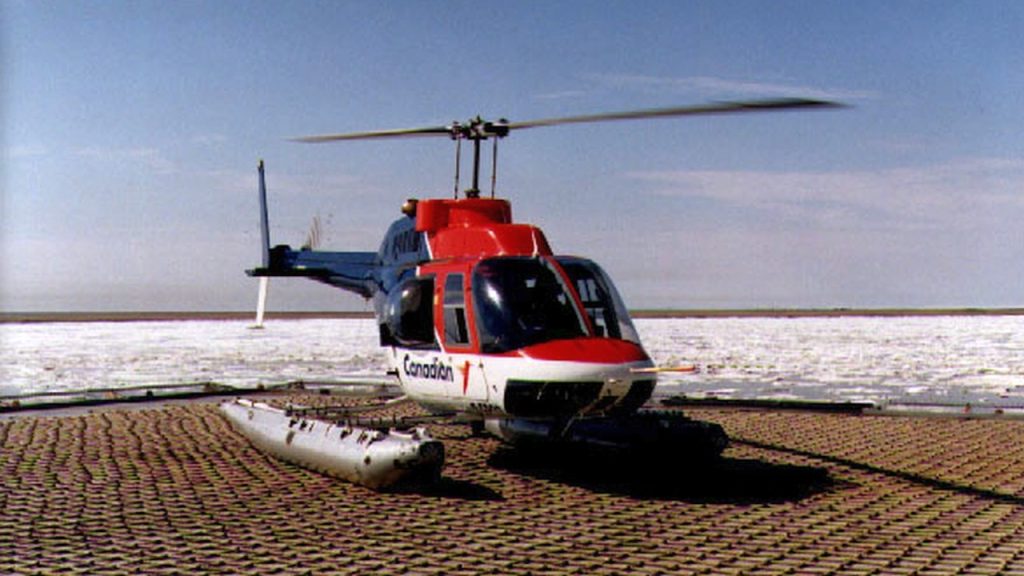
Bell 206 (206 & Variants)
There’s a bunch of different Variants of the 206’s, like 206B, 206B3, 206L1, 206L4 etc.
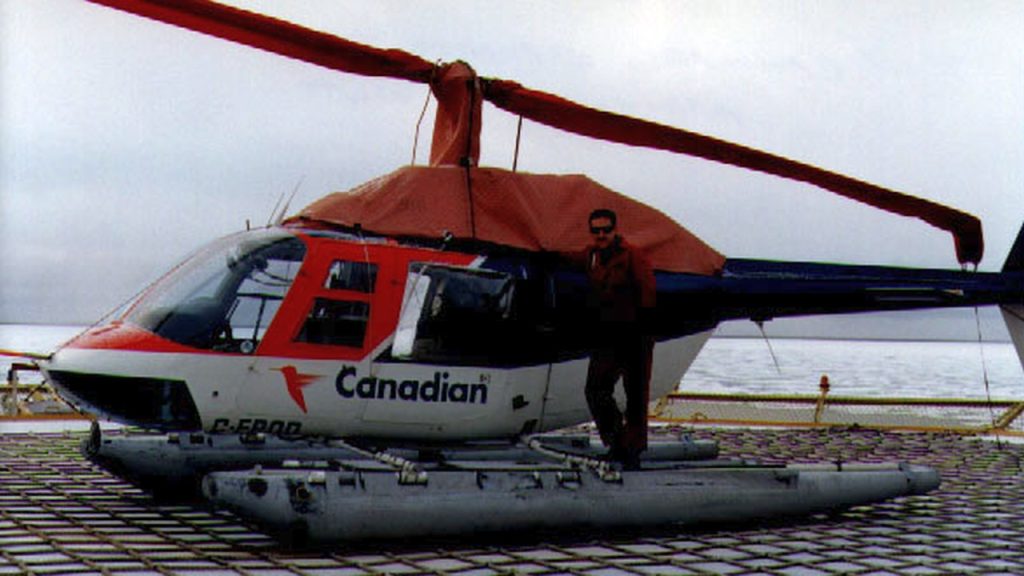
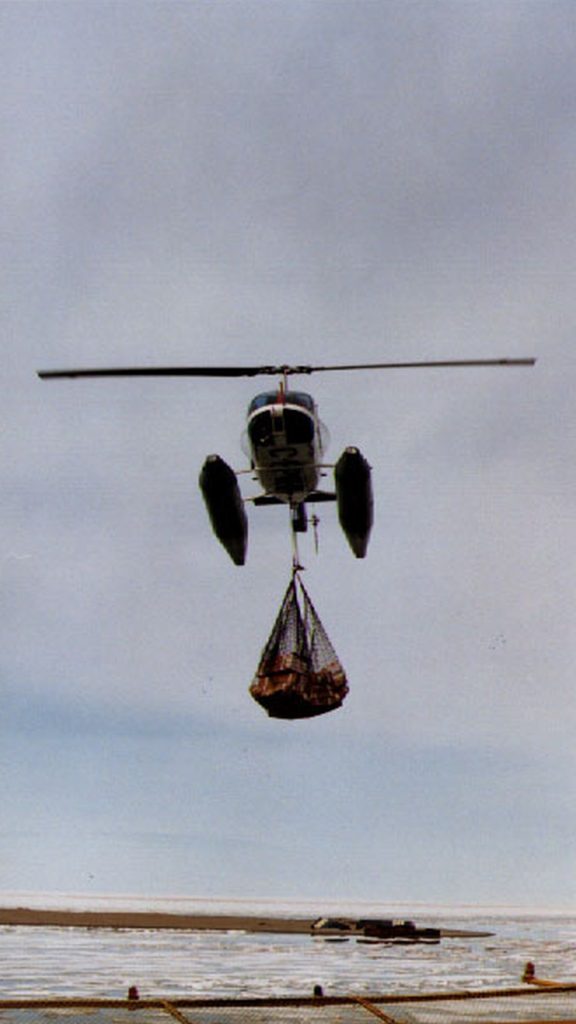
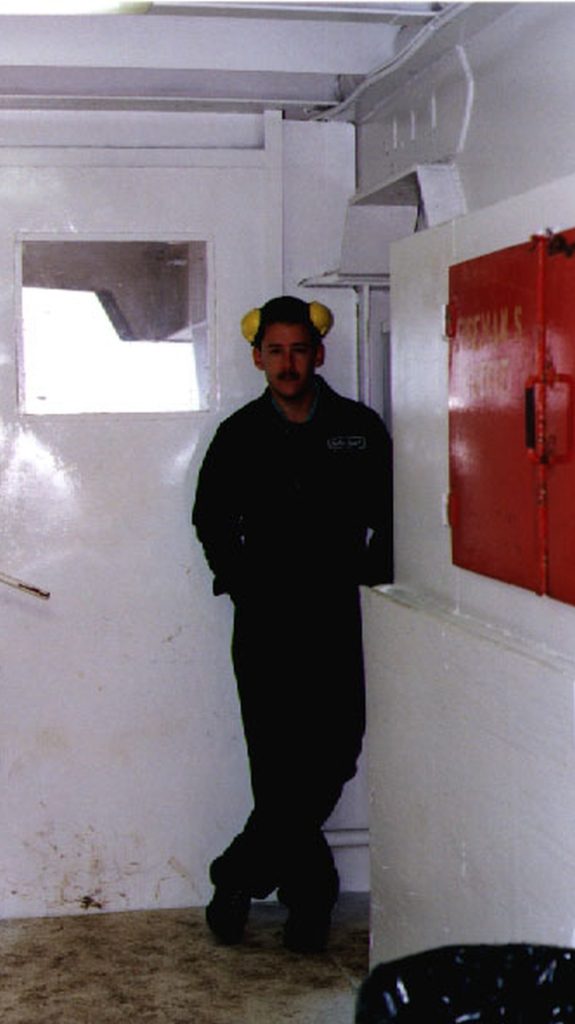
This was my “First Love”, C-FPOD, working & living on a “Drill Ship” north of Tuktoyaktuk, NWT, Canada, in a place called “McKinley Bay” in the Beaufort Sea! Great food, great crews, lots of crew transfers to the other ships and sling loads of gear from the nearby island where the Twin Otters would land.
They actually had a fully trained crew for doing sling loads so all I had to do was hang around and supervise in case they needed me. haha
Bell 206 (JetRanger) and civilian variations Specs
Iconic light single-engine helicopter. Extremely common for training, tours, news, corporate, and light utility. LongRanger adds length/capacity.
- Performance: Cruise 110-130 knots; max speed ~150 mph; range 250-400+ nm. Low costs, excellent visibility/maneuverability.
- Typical (206B-3): 1 pilot + 4 passengers; fuselage ~31-39 ft (rotors turning); main rotor ~33 ft 4 in; max takeoff ~3,200 lb; useful load ~1,400-1,800 lb; sling/external ~1,500+ lb possible.
- LongRanger (206L series): 1 pilot + 6-7 passengers; higher MTOW (~4,250+ lb); improved payload/range.
- Powerplant: Allison/Rolls-Royce 250-C20 series (e.g., 250-C20J ~420 shp, derated).
This is how we would put the machine to bed for the night!
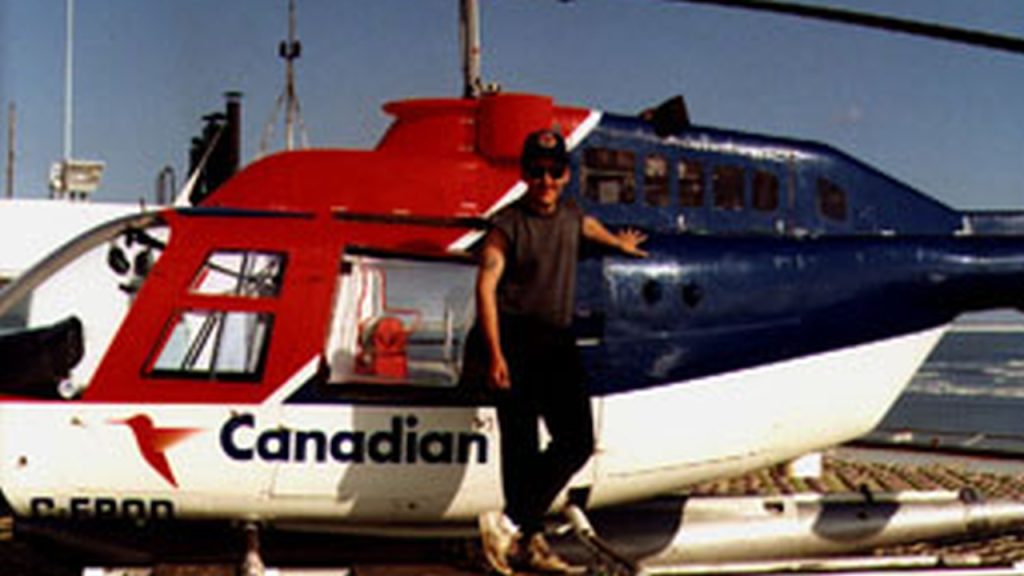
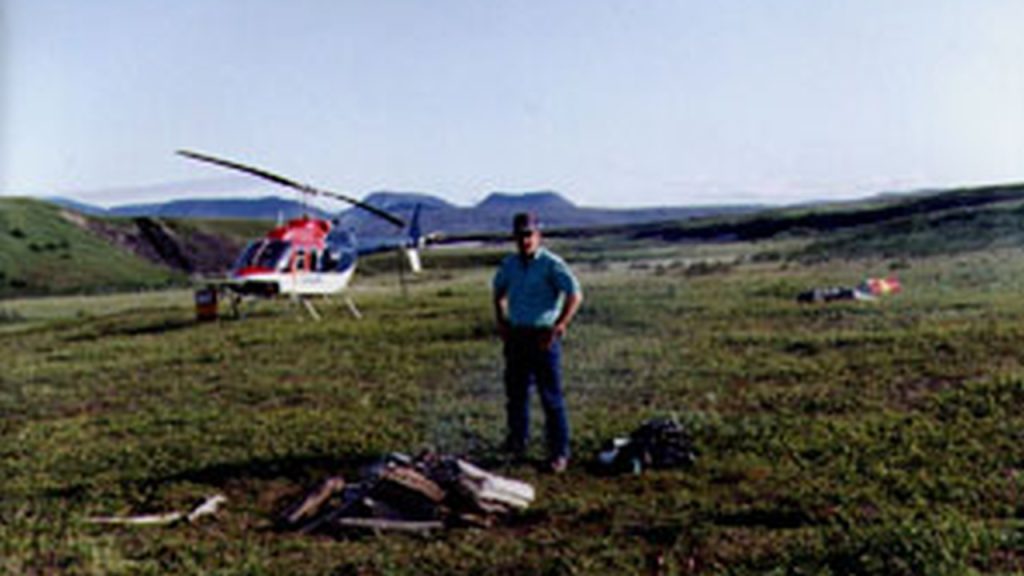
On the left, McKinley Bay, NWT, and on the right, camping in the extreme Northwest corner of the Yukon right beside the Alaska border, about 15 minutes flight time to the coast, to get driftwood for the campfire!
206L, (Longranger)
This one looks like it was taken at the Polar Continental Shelf Research Camp in Tuktoyaktuk, NWT.
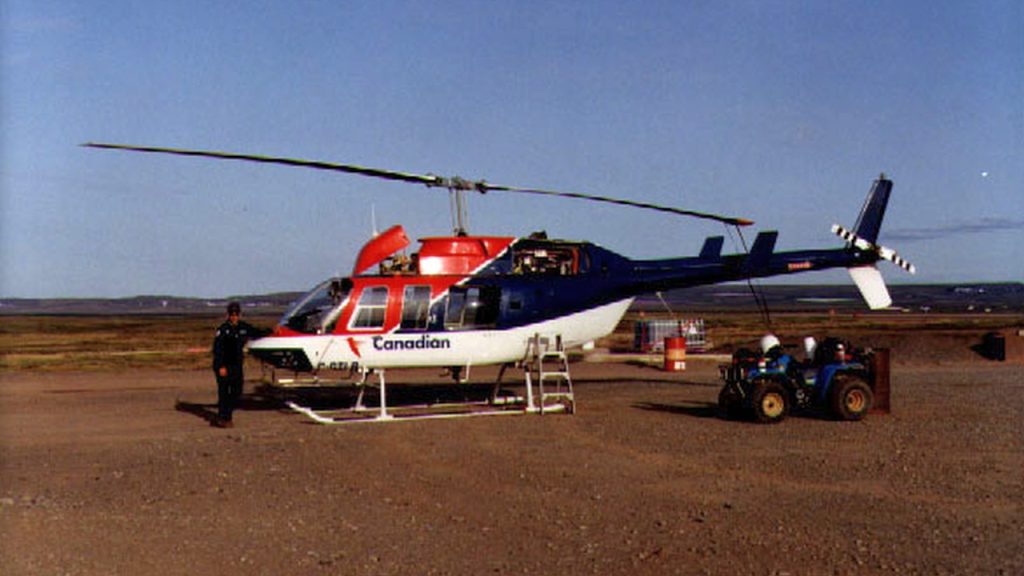
I’m guessing now because it’s been so long but I think this was in Coppermine (Kuglugtuk, NWT) for a “Grizzly Tagging” job I was on.
Bell 212 (Twin Huey)
Didn’t work on these much, helped out a bit but that’s it. I did do the factory training course and got certified for all the mediums like, 204, 205, 212, 412.
This was the typical setup for “Heli-ski Operations” in BC for the upcoming winter.
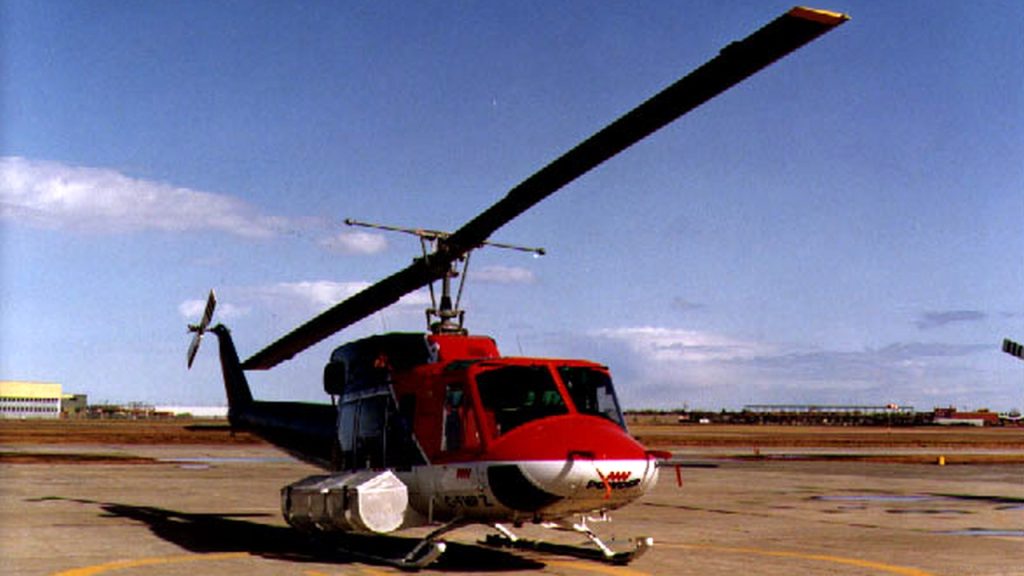
Bell 212 Specs
Twin-engine (PT6T) development of the 205/Huey for better redundancy. Strong in offshore, utility, firefighting, and heavy external loads.
- Performance: Cruise ~110-130 knots; range ~200-250 nm. Rugged and reliable for demanding ops.
- Crew/Capacity: 1-2 crew + up to 14 passengers; internal cargo ~220 ft³.
- Dimensions: Length ~57 ft (rotors); main rotor 48 ft.
- Weights: Empty ~6,500 lb; max takeoff ~11,200 lb; external/sling up to 5,000 lb (2,268 kg).
- Powerplant: 1 × Pratt & Whitney Canada PT6T-3 Twin-Pac (two coupled turbines), up to 1,800 shp total (900 shp per section in OEI).
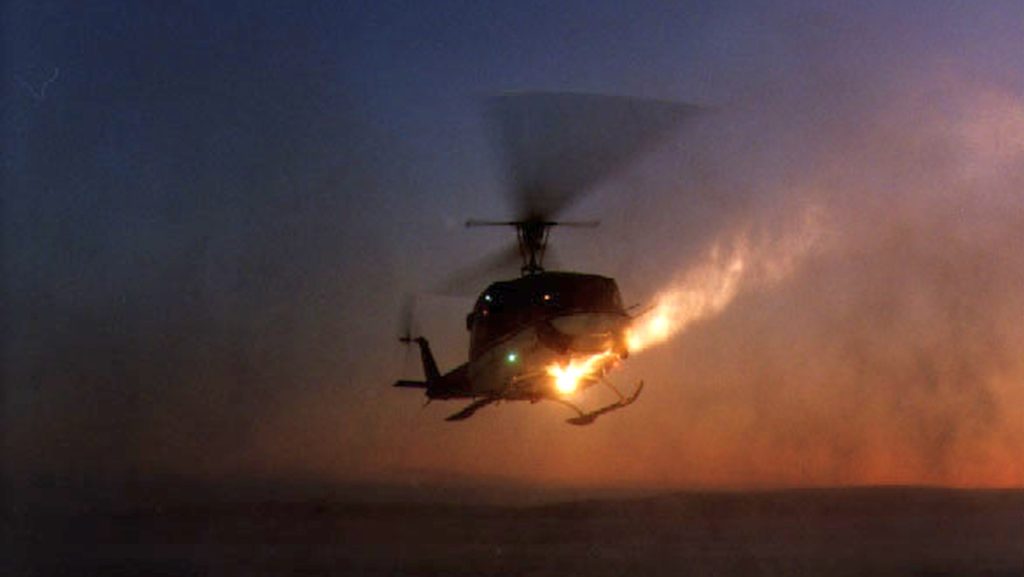
I took this photo at the “Norman Wells” CHC hangar in the thick of winter.
MBB Helicopters
MBB was a West German aerospace manufacturer formed in the late 1960s through mergers involving Messerschmitt, Bölkow, and Hamburger Flugzeugbau. Its helicopter division gained fame for the Bo 105, one of the first light twin-engine helicopters with a revolutionary hingeless fiberglass rotor system that enabled high agility and aerobatics. MBB’s helicopter operations merged with Aérospatiale’s in 1992 to form Eurocopter (Airbus Helicopters). The company also co-developed the BK 117.
- Signature product: Bo 105 (light utility/EMS, produced until 2001).
- Innovations: Hingeless rotor system for superior maneuverability.
- Legacy: Designs and tech integrated into Airbus Helicopters’ portfolio (e.g., influences on EC135).
MBB Bo 105
This MBB Bo 105 was owned & operated by “Trans Mountain Pipelines” in Alberta.
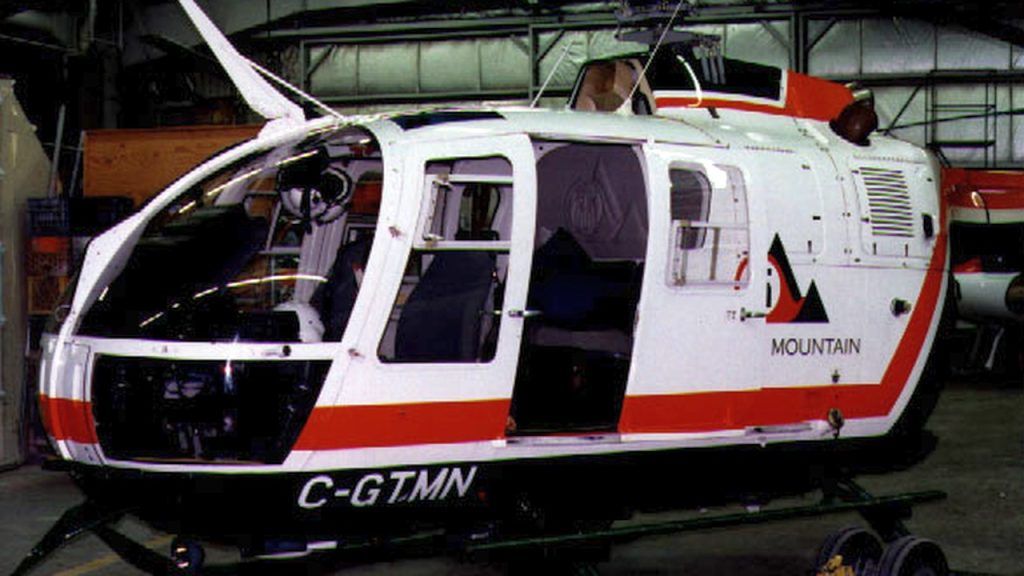
MBB Bo 105 Specs
Light twin-engine utility/EMS helicopter. Famous for hingeless rigid rotor system enabling high agility and aerobatics.
- Performance: Max speed ~145 knots; cruise ~110-130 knots; range ~350+ nm. Exceptional maneuverability.
- Crew/Capacity: 1-2 crew + 3-5 passengers; compact cabin.
- Dimensions: Length ~39 ft (rotors turning); main rotor ~32 ft 3 in.
- Weights: Max takeoff ~5,500-5,511 lb (2,500 kg+ in some variants); good useful load; external/sling ~1,500-2,000+ lb depending on config.
- Powerplant: 2 × Allison/Rolls-Royce 250-C20B (or C28 in LS variants), ~420 shp each.
McDonnell Douglas Helicopters
Hughes Helicopters originated from Howard Hughes’ aviation ventures in the 1940s–1950s, with formal helicopter development under Hughes Tool Company. It produced the successful Hughes 269/300 (civilian trainer) and OH-6 Cayuse (military), plus the civilian Hughes 500 series. Sold to McDonnell Douglas in 1984, it became MD Helicopters after further ownership changes. The company specializes in light utility helicopters, known for NOTAR (no tail rotor) technology and high-performance designs.
- Notable products: MD 500/530 series (including Cayuse Warrior), MD 520N/600N (NOTAR), MD Explorer/902.
- Strengths: Agile, powerful light helicopters popular for law enforcement, EMS, and military scout/attack roles.
- Current status: Independent manufacturer focused on commercial and specialized military variants with ongoing upgrades.
Hughes 500 (MD369D)

Seismic Site, In Both Alberta & BC, Canada, this was an exceptionally large job!
Common Specifications (MD 369D / 500D; approximate and varies by configuration/upgrades)
- Crew: 1 pilot (single-pilot operation typical).
- Capacity: 1 pilot + 4 passengers (5 total standard); some configs allow up to 7 with floor seats. Medevac with litters possible.
- Sling/external load capability: Up to ~1,500–2,000 lb (680–907 kg) hook capacity; typical operational slung loads around 1,000 lb (454 kg) or less depending on conditions. Max gross weight increases with external loads (e.g., to 3,550 lb / 1,610 kg).
- Powerplant: Allison (Rolls-Royce) 250-C20B turboshaft (~420 shp).
- Performance (approximate): Max speed ~135–152 kts (Vne); cruise ~110–130 kts; range ~250–375+ nmi (varies with load/fuel, e.g., ~300+ miles typical); service ceiling ~13,000–16,000+ ft; good hot/high performance for its class.
- Weights: Max gross ~3,000 lb (1,361 kg) internal / up to 3,550 lb external; empty ~1,300–1,600 lb depending on config.

Gold Drilling Camp, Northern, BC, Canada

Robinson Helicopters
Robinson Helicopter Company was founded in 1973 by Frank Robinson in California with the goal of creating simple, reliable, and affordable light helicopters. Starting from his home, the company achieved success with the R22 (two-seat trainer) and expanded to the four-seat R44 and turbine R66. It is now the world’s leading producer of civil helicopters by volume, emphasizing low operating costs and ease of maintenance. Kurt Robinson (Frank’s son) leads the company today.
- Main models: R22 (trainer), R44 (Raven), R66 (turbine), with newer developments like the R88 concept.
- Strengths: Dominant in flight training and personal/civil use; over 13,000 helicopters delivered worldwide.
- Focus: Simplicity, safety enhancements (e.g., crash-resistant features), and high production efficiency.
R22
The young guy flying the R22 was doing a “Cross country Flight” and stopped at the Nanaimo Airport on his way through.

Common Specifications (R22 Beta II; approximate and varies slightly by configuration)
- Weights: Max gross takeoff ~1,370 lb (621 kg); empty ~850–880 lb; useful load supports pilot + passenger + some fuel/baggage.
- Crew: 1 pilot (single-pilot operation).
- Capacity: 1 passenger (total 2 people); limited baggage space.
- Sling/external load capability: Limited; certified for light external loads (typically under 400–500 lb / ~200 kg in practice, depending on configuration and conditions; not a primary sling machine).
- Powerplant: Lycoming O-320 series piston engine (derated to ~131 hp for takeoff, 124 hp continuous in Beta II).
- Performance (approximate): Max speed (Vne) 102 kts; cruise up to 96 kts; range ~200–250 nmi (with standard or auxiliary fuel, no reserves); service ceiling 14,000 ft; good rate of climb (1,000–1,200 fpm).

Brief History and Development
Frank D. Robinson designed the R22 starting in 1973 after working at other helicopter companies. He aimed to create an affordable, simple, and reliable light helicopter for the private and training markets. The prototype first flew on August 28, 1975. After extensive testing (including a crash of the first prototype), it received FAA type certification in March 1979. Deliveries began later that year.
- Early variants included the basic R22, R22 HP (higher power), Alpha, and Beta. Progressive improvements led to the current R22 Beta II (better engine, rotor, and avionics refinements).
- The R22 revolutionized light helicopter ownership by offering significantly lower acquisition and hourly operating costs than turbine competitors. It directly led to the larger four-seat R44 and later the turbine R66.
- It is used extensively for primary flight training, personal transport, aerial photography, mustering, pipeline/powerline patrol, and other light utility roles. Production continues today.
R44
Spotted at the Nanaimo Flying Club Hangar in Nanaimo, BC, Canada. The R44 was just stored in the hangar.

Common Specifications (primarily R44 Raven II; varies by variant)
- Crew: 1 pilot (single-pilot operation; can accommodate 2 pilots).
- Capacity: 1 pilot + up to 3 passengers (4 total seats); configurable for training or utility.
- Sling/external load capability: Limited; certified for light external loads (typically up to ~500–700+ lb / 225–320 kg depending on conditions and configuration—not a primary sling platform).
- Powerplant: Lycoming IO-540 fuel-injected six-cylinder piston engine (derated to ~245 hp takeoff / 205 hp continuous in Raven II).
- Performance (approximate for Raven II): Max speed ~130 kts; cruise ~109–117 kts; range ~300–350 nmi (no reserves, varies with load/fuel); service ceiling 14,000 ft.
- Weights: Max gross takeoff 2,500 lb (1,134 kg); empty ~1,450–1,505 lb; useful load ~800–1,000 lb depending on configuration and fuel.

Sikorsky
Founded in 1923 by Russian-American aviation pioneer Igor Sikorsky in the United States, the company pioneered practical helicopters with the VS-300. It developed legendary models like the S-55, S-58, S-61/Sea King, and the UH-60 Black Hawk family. Acquired by United Technologies (later RTX) and now a Lockheed Martin company since 2015, Sikorsky remains a leader in medium-to-heavy rotorcraft for military, civil, and offshore use.
- Key models: S-61/S-92, UH-60 Black Hawk (and variants like S-70), CH-53 heavy-lift series, RAIDER X (compound helicopter tech).
- Strengths: Robust, high-performance helicopters with excellent survivability and heavy-lift capability.
- Legacy: Over 100 years of innovation; continues advancing high-speed compound rotorcraft.
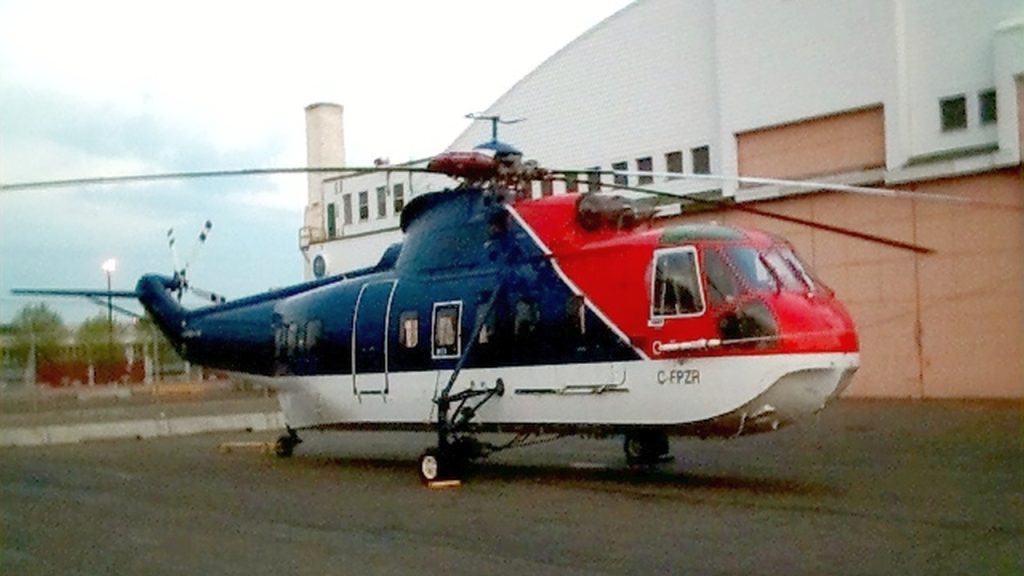
S61
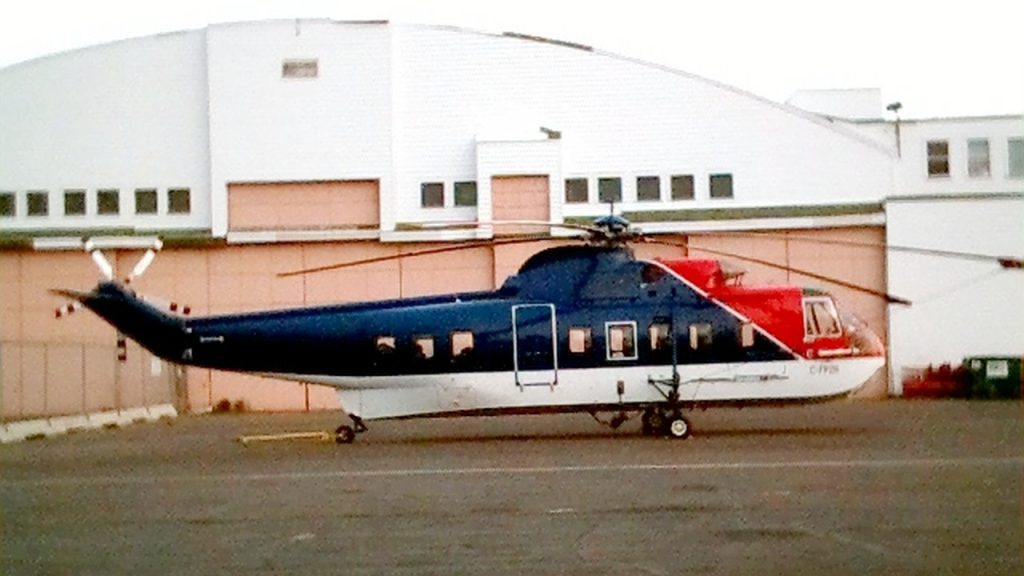
I think this is an “N Model” but I never worked on these so I am not sure. This is on the tarmac in front of the hangar doors for the Canadian Helicopters Operation at the Edmonton, AB, Canada, municipal airport (YXD). (No longer in operation).
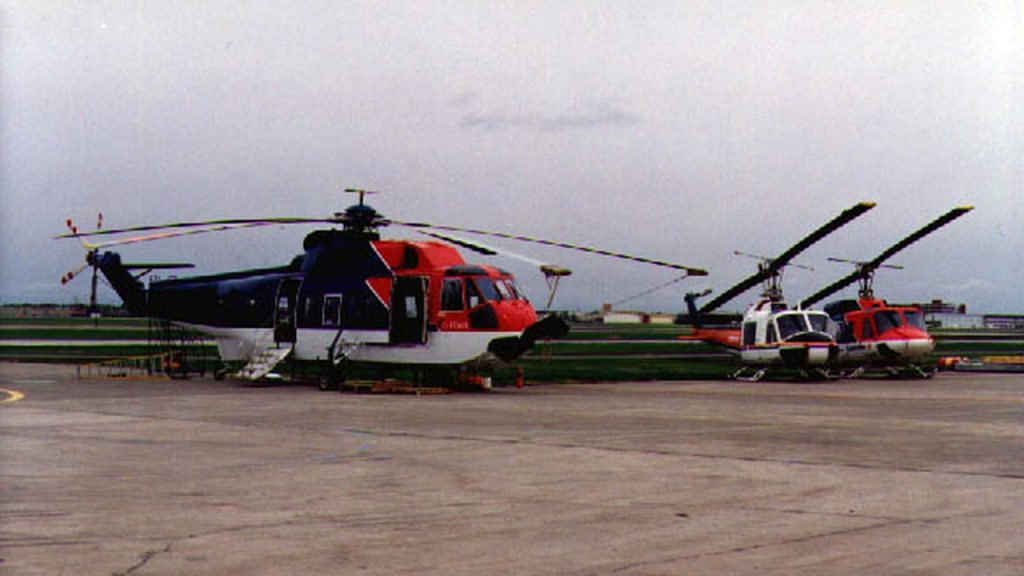
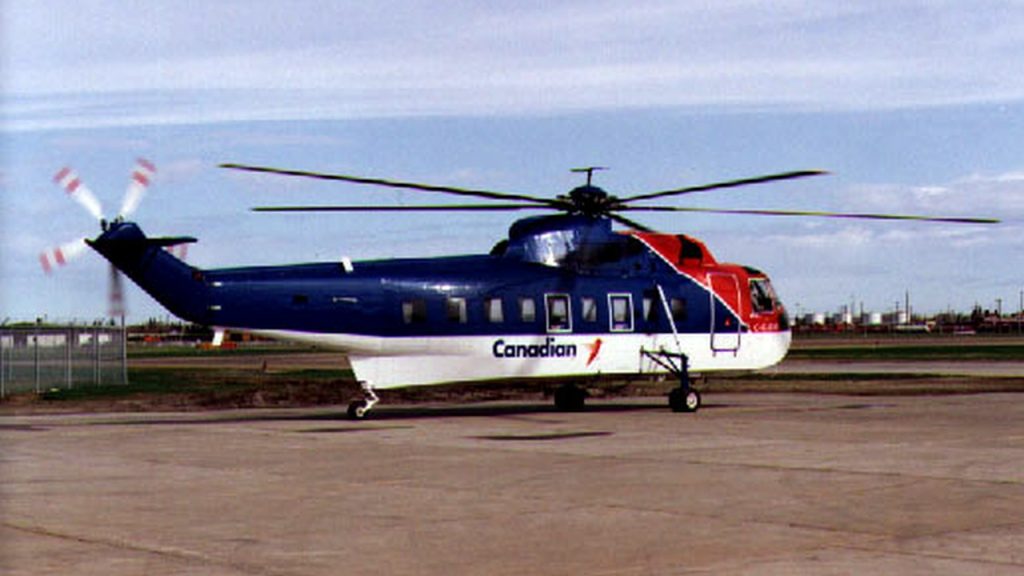
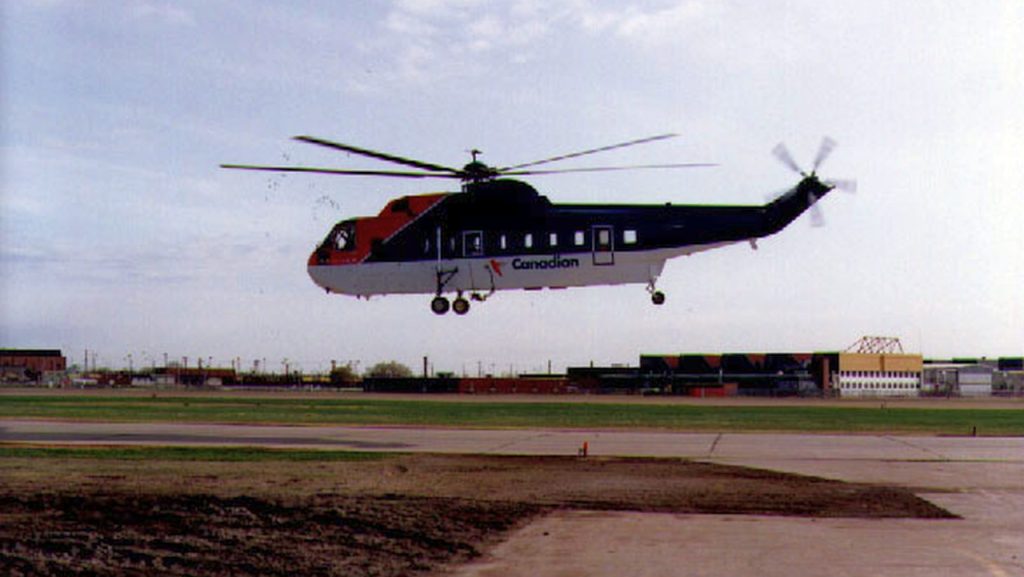
Sikorsky S-61 (civil variants e.g. S-61N) Specs
Large twin-engine amphibious helicopter (Sea King basis). Used for passenger transport, offshore, and heavy utility.
- Crew/Capacity: 2 crew + 15-30 passengers; internal cargo significant.
- Dimensions: Length ~59 ft; main rotor 62 ft.
- Weights: Max takeoff ~19,000-20,500 lb; external lift up to ~10,000 lb.
- Powerplant: 2 × General Electric CT58-140 (or T58 variants) turboshafts, ~1,500 shp each.
- Performance: Cruise ~115-130 knots; boat-hull for water landings; reliable medium-haul performer.
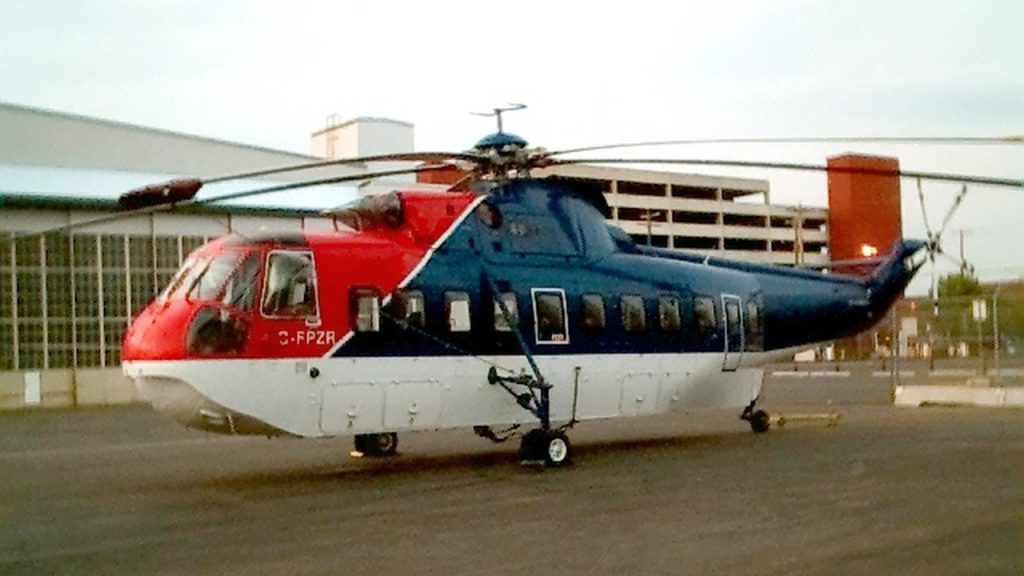
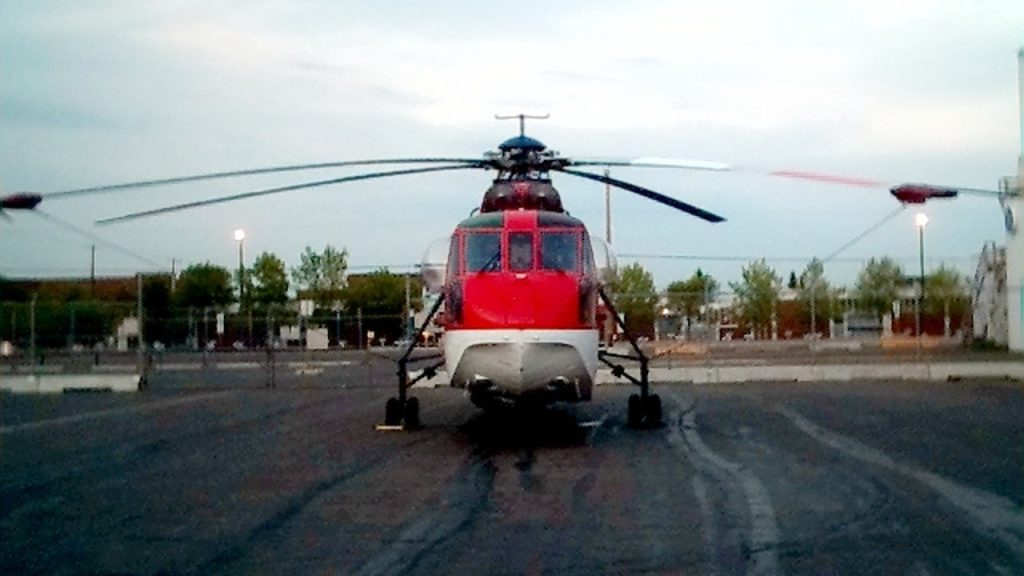
This also looks like an “N Model” parked outside a different hangar on the other side of the airport. No work being done, just storage. Notice the different air inlets than the previous model.
S64 (Skycrane)
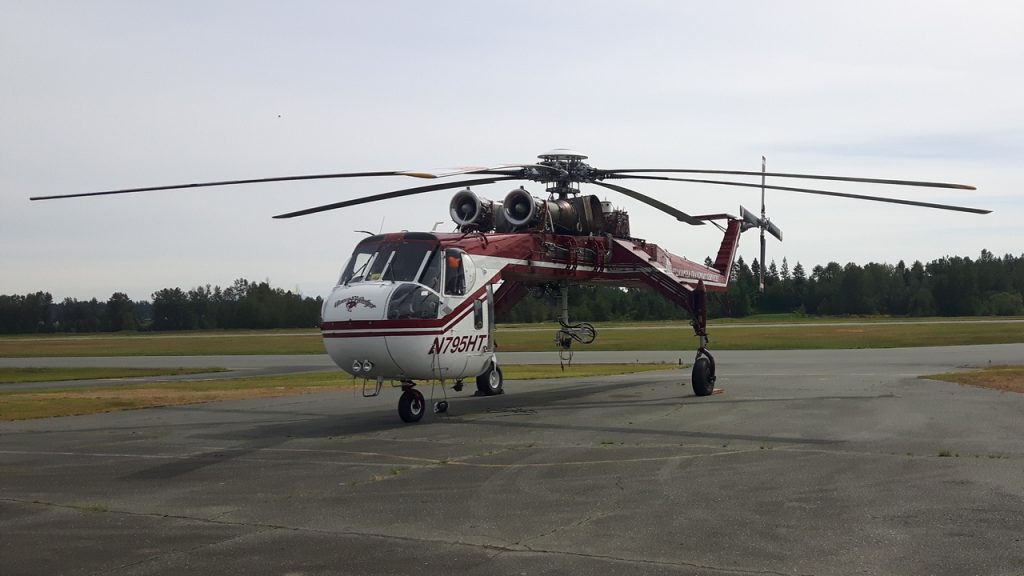
I saw this Sikorsky, S64 (Skycrane) at the Nanaimo, BC, Canada Regional Airport. It was here for a summer fire fighting contract.
Common Specifications (primarily S-64E/F Aircrane; varies by variant and configuration)
- Crew: 2 pilots (pilot + co-pilot); often includes a third crew member (aft-facing loadmaster/operator) for external load operations.
- Capacity: Minimal internal (up to 5 people total in some configs, often just crew); no large passenger cabin—optimized for external loads. Can carry specialized pods (e.g., for troops or cargo in military use).
- Sling/external load capability: Up to 20,000 lb (9,072 kg) standard on S-64E; up to 25,000 lb (11,340 kg) on S-64F/stronger variants. Excellent precision hovering and load-handling with a main cargo hook (and auxiliary hoists).
- Powerplant: 2 × Pratt & Whitney JFTD12 (T73) turboshafts (e.g., ~4,050–4,800 shp each depending on variant).
- Performance (approximate): Max speed ~109–115 kts; cruise ~105 kts; range ~200–230+ nmi (with reserves); service ceiling ~9,000–13,000+ ft (good hot/high capability for its size); hover ceiling IGE ~10,600 ft.
- Weights: Max gross ~38,000–42,000+ lb; empty ~19,000–20,000 lb range.
Military Helos
Kiowa (CH-136), (OH-58, Jetranger, Bell 206)
(Looking for a photo)
Bell 206 (JetRanger) and civilian variations Specs
Iconic light single-engine helicopter. Extremely common for training, tours, news, corporate, and light utility. LongRanger adds length/capacity.
- Performance: Cruise 110-130 knots; max speed ~150 mph; range 250-400+ nm. Low costs, excellent visibility/maneuverability.
- Typical (206B-3): 1 pilot + 4 passengers; fuselage ~31-39 ft (rotors turning); main rotor ~33 ft 4 in; max takeoff ~3,200 lb; useful load ~1,400-1,800 lb; sling/external ~1,500+ lb possible.
- Powerplant: Allison/Rolls-Royce 250-C20 series (e.g., 250-C20J ~420 shp, derated).
Iroquois (CH-118), (Bell 205)
Twin Otter on the left, Iroquois on the right.
Bell 205 Specs
Stretched, higher-capacity development of the 204 (linked to UH-1H). Popular for utility, passenger transport, firefighting (Bambi bucket), and heavy sling operations with increased cabin volume.
- Crew/Capacity: 1-2 crew + up to 13-14 passengers; internal cargo ~3,000+ lb.
- Dimensions: Similar to 204 — fuselage ~41 ft 8 in; height ~14 ft 7 in; main rotor 48 ft.
- Weights: Empty ~5,000-6,000 lb (varies with mods); max takeoff ~9,500 lb internal / up to 10,500 lb external; external/sling payload often 3,700-4,200 lb (up to ~2,000 kg in some configs).
- Powerplant: Typically 1 × Lycoming T53-L-13A or T53-17 series turboshaft (~1,400-1,800 shp in upgraded variants like A1++).
- Performance: Cruise ~100-120 knots; range ~200-300 nmi; strong hot/high and climb performance. Highly modifiable with modern upgrades.

This photo was taken at the “Grande Prairie Airport” while on a “Search & Rescue” in the mountains of BC.
Twin Huey (CH-135), (UH-1N, Twin Huey, Bell 212)
The Canadian Twin Huey, designated CH-135, is a twin-engine utility helicopter variant of the Bell UH-1N developed to Canadian specifications and powered by Canadian Pratt & Whitney engines.

It entered service with the Canadian Armed Forces in 1971 (50 aircraft acquired), primarily for troop/cargo transport, reconnaissance, medical evacuation, and search-and-rescue, until retired in the late 1990s and replaced by the CH-146 Griffon (Bell 412).
- Crew/Capacity: Typically 2 pilots + 1 flight engineer; up to 13 passengers (or 6–8 combat troops / ~4,400 lb cargo).
- Dimensions: Rotor diameter 48 ft 2 in (14.7 m); length ~42–57 ft (12.9–17.4 m fuselage/overall); height 14 ft 5–10 in (4.39–4.5 m).
- Weights: Empty ~5,997 lb (2,720 kg); gross/max takeoff ~10,000–11,200 lb (4,536–5,080 kg).
- Powerplant: 1 × Pratt & Whitney Canada T400-CP-400 (PT6T Twin-Pac) coupled turboshaft, ~1,800 hp total.
- Performance: Max speed ~125–130 mph (201–204 km/h); cruise ~115 mph (185 km/h); range ~260–285 mi (420–459 km); service ceiling 15,000–17,300 ft.


Chinook (CH-47C)
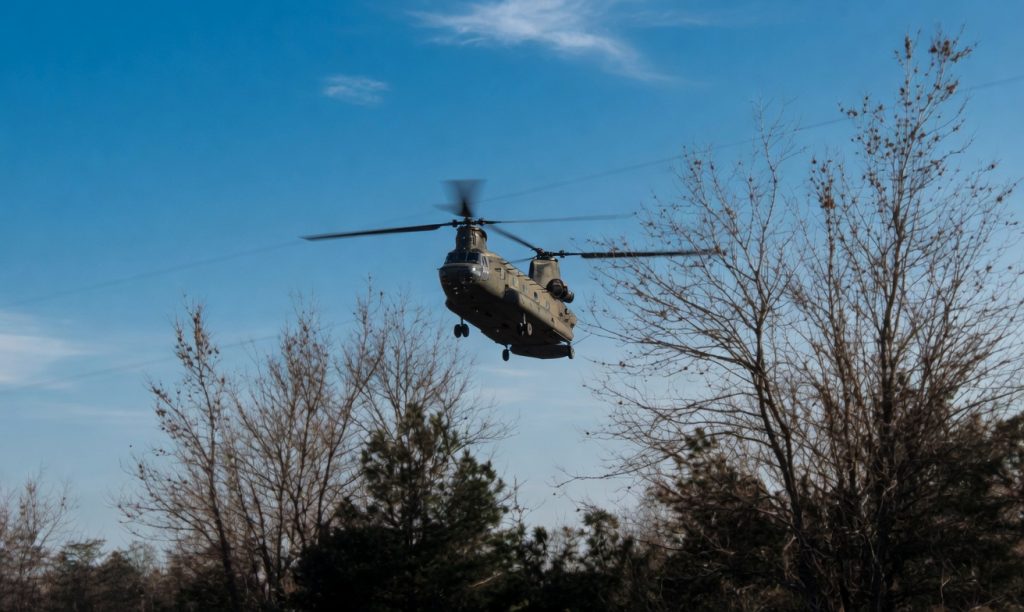
I took this photo back in the 70’s, AI helped me clean it up a bit. This is a Canadian Chinook, taken before the dumbasses in Ottawa thought it would be a good idea to sell them to the Dutch.
Boeing CH-47 Chinook Specs
Heavy-lift tandem-rotor helicopter. Unmatched for large cargo, logistics, disaster relief, and construction.
- Crew/Capacity: 3 crew + 33-55 troops or 24 stretchers; internal ~24,000 lb.
- Dimensions: Rotor diameter 60 ft each; length ~98 ft (rotors).
- Weights: Max takeoff ~50,000+ lb; sling loads up to 26,000 lb (center hook).
- Powerplant: 2 × Honeywell (Lycoming) T55-GA-714A turboshafts, ~4,733 shp each.
- Performance: Max speed ~170 knots; cruise ~140-160 knots; range ~400 nm. Ramp loading and tandem stability.
Labrador (CH-113), (CH-46, Phrog)

CH-113 Labrador & Voyageur Specs
Canadian tandem-rotor medium helicopters based on Boeing Vertol 107/CH-46 Sea Knight. Labrador (SAR with hoist/hull); Voyageur (transport, later converted).
- Crew/Capacity: 2-3 crew + up to 26 passengers or significant cargo; Labrador rescue hoist.
- Dimensions: Rotor span ~50-52 ft; length ~84 ft. airforcemuseum.ca
- Weights: Max 18,700-21,400 lb; strong cargo hook capability (5,000 kg in some references).
- Powerplant: 2 × General Electric T58-GE-8F (or similar) turboshafts, ~1,500 shp each. ingenium.ca
- Performance: Max speed 145-168 mph; range strong for SAR (600+ nm / 1,100 km configs). Rugged for Canadian/maritime ops.
Voyageur (CH-113A)
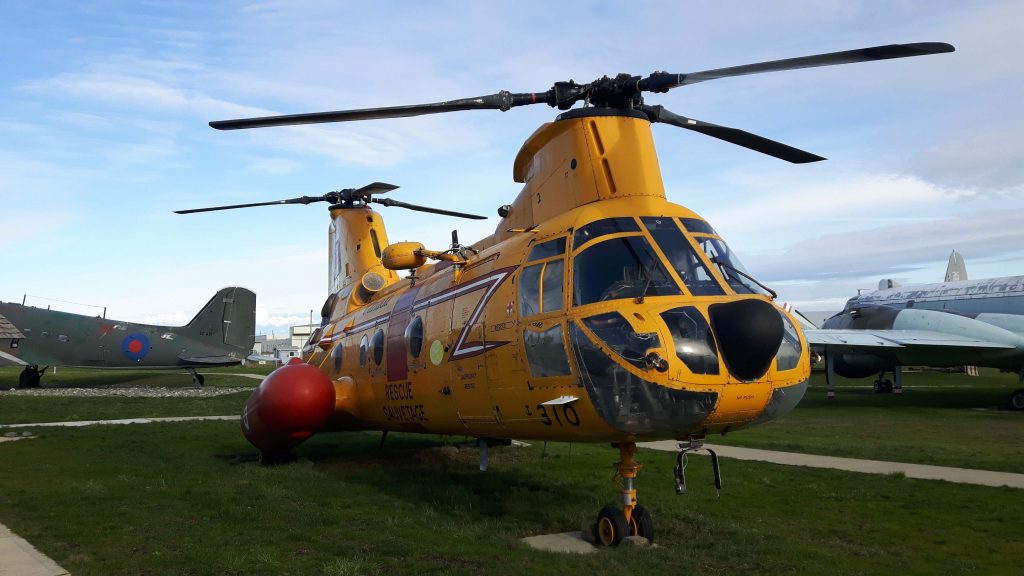
The Labradors & the Voyageurs were basically the same aircraft depending which mods were applied. Both of these were used for “Search & Rescue” mainly.
Sea King (CH-124), (S-61)
Looking for a photo!
The Canadian Sea King, designated CH-124, is a variant of the Sikorsky SH-3 Sea King, a twin-engined anti-submarine warfare (ASW) helicopter acquired for the Royal Canadian Navy starting in 1963.
It served for over 55 years in maritime roles including ASW, search and rescue, and utility operations until retirement in 2018, with upgrades over time for enhanced sensors and capabilities.
- Crew/Capacity: Crew of 4 (2 pilots, 1 navigator/TACCO, 1 airborne electronic sensor operator); capacity for up to 3 passengers.
- Dimensions: Length 54 ft 9 in (16.69 m); height 16 ft 10 in (5.13 m) or ~5.8 m; main rotor diameter 62 ft (19 m).
- Weights: Empty weight ~11,865 lb (5,382 kg) or 6,591 kg; gross weight ~18,626–20,540 lb (8,449–9,318 kg); max takeoff weight 22,050 lb (10,002 kg).
- Powerplant: 2 × General Electric T58-GE-8F / T58-GE-100 turboshaft engines, 1,500 shp (1,100 kW) each.
- Performance: Max speed 144 kn (166 mph / 267 km/h) or ~222 km/h; range ~539 nmi (998 km) or up to 740 km; service ceiling 14,700 ft (4,500 m) or 3,048 m.
US Military Aircraft
Bell Cobra (AH-1)
I remember going to a firepower demonstration for Cobras but I didn’t take any photos. I’ll find a photo to use.
The Bell AH-1 Cobra (Model 209), also known as the Huey Cobra, is a single-engine attack helicopter developed by Bell Helicopter as a dedicated gunship derived from the UH-1 Iroquois.
It first flew in 1965 and entered U.S. Army service in 1967, becoming the backbone of Army attack aviation in Vietnam with its tandem cockpit, stub wings for weapons, and chin turret; later variants included modernized AH-1F models and twin-engine Marine versions like the SuperCobra.
- Crew/Capacity: Crew of 2 (pilot and co-pilot/gunner in tandem); no significant passenger capacity (attack configuration).
- Dimensions: Length 53 ft (16.2 m) with rotors turning; fuselage length ~44 ft 5 in (13.5 m); height 13 ft 6 in (4.12 m); main rotor diameter 44 ft (13.4 m).
- Weights: Empty weight ~5,810 lb (2,635 kg); max takeoff weight 9,500 lb (4,309 kg) for early models (up to ~10,000 lb in later variants).
- Powerplant: 1 × Lycoming T53-L-13 turboshaft engine, 1,100 shp (820 kW) (later variants up to T53-L-703 at 1,800 shp).
- Performance: Max speed ~149 kn (171 mph / 276 km/h); range ~310 nmi (574 km); service ceiling ~11,400 ft (3,475 m); rate of climb 1,230 ft/min.
McDonnell Douglas (Apache)
The McDonnell Douglas AH-64 Apache (often referred to as MD Apache) is a twin-engine attack helicopter originally developed by Hughes Helicopters and produced by McDonnell Douglas before Boeing took over.
It first flew in 1975 and entered U.S. Army service in 1986 as a highly survivable, all-weather day/night attack platform with advanced sensors, Hellfire missiles, and a 30mm chain gun.
While I was at the MD School learning how to fix 500’s we got a tour of the Apache assembly line. They were stress testing an Apache airframe in a giant jig they had for that purpose. Currently looking for a photo.
- Crew/Capacity: Crew of 2 (pilot and co-pilot/gunner in tandem seating); no passenger capacity.
- Dimensions: Length 58 ft 2 in (17.73 m) with rotors; fuselage ~49 ft 5 in (15.06 m); height 12 ft 8 in (3.87 m); main rotor diameter 48 ft (14.63 m).
- Weights: Empty ~11,387 lb (5,165 kg); gross weight ~17,650 lb (8,006 kg); max takeoff 23,000 lb (10,433 kg).
- Powerplant: 2 × General Electric T700-GE-701 (or -701C) turboshaft engines, ~1,690–1,890 shp (1,260–1,409 kW) each.
- Performance: Max speed ~150+ knots (279+ km/h); cruise ~140 knots; range ~260 nmi (476 km) internal; service ceiling 20,000 ft (6,096 m); rate of climb ~2,800 ft/min.
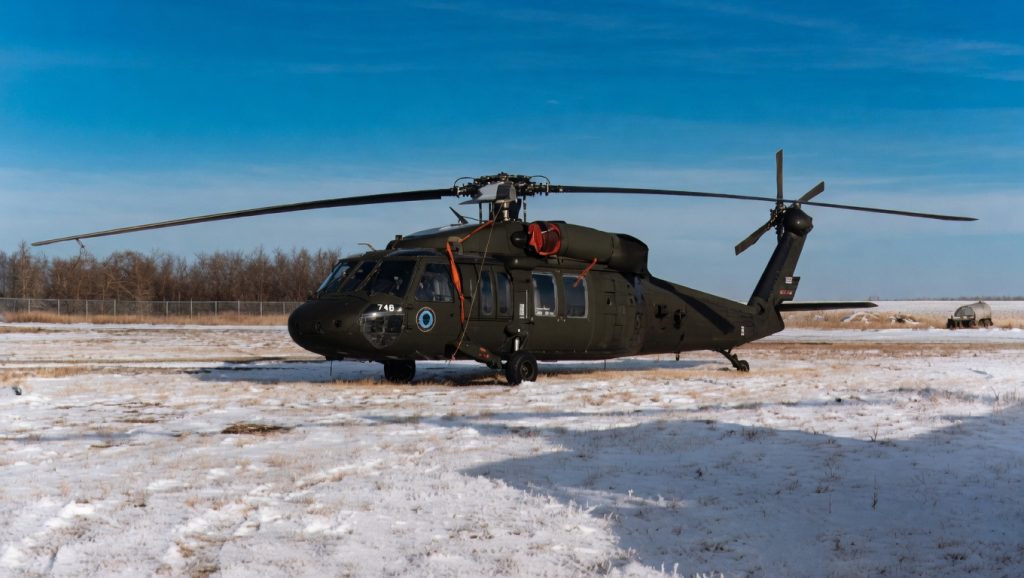
UH-60A (Black Hawk)
First of 2 times that I’ve even seen a Black Hawk. Spotted in Ft. St. John, BC, Canada, on it’s way to Alaska to be used with the Alaska National Guard!
Sikorsky UH-60 Black Hawk (civil S-70 variants) Specs
Twin-engine medium utility helicopter. Renowned for toughness, survivability, and multi-mission adaptability (firefighting, utility, executive).
- Crew/Capacity: 2 pilots + crew + 11 troops/cargo (or 6 stretchers); internal ~3,190 lb.
- Dimensions: Length ~65 ft (rotors); max takeoff ~22,000-23,500 lb with external.
- Weights: External/sling ~9,000 lb.
- Powerplant: 2 × General Electric T700-GE-701 series (e.g., -701D ~1,940 shp each).
- Performance: Cruise ~140-150 knots; excellent hot/high and external load capability. Modern avionics in newer variants.
UH-60A Black Hawk (Conversion to Fire Fighting Role)

Jump to other Aviation Related Links
- See the main page on Air Tankers & Water Bombers right here ….. more
- See the main page on Airports & Base Camps right here ….. more
- See the main page on Aviation Museums right here ….. more
- See the main page on Aviation Training right here ….. more
- See the main page on Bush Planes right here ….. more
- See the main page on Cargo & Transport Aircraft right here ….. more
- See the main page on Helicopters right here ….. more
- See the main page on Military Aircraft right here ….. more
Have a great day everyone! Enjoy your aviation career!