
Jump to other Aviation Related Links
- See the main page on Air Tankers & Water Bombers right here ….. more
- See the main page on Airports & Base Camps right here ….. more
- See the main page on Aviation Museums right here ….. more
- See the main page on Aviation Training right here ….. more
- See the main page on Bush Planes right here ….. more
- See the main page on Cargo & Transport Aircraft right here ….. more
- See the main page on Helicopters right here ….. more
- See the main page on Military Aircraft right here ….. more
Bush Planes!
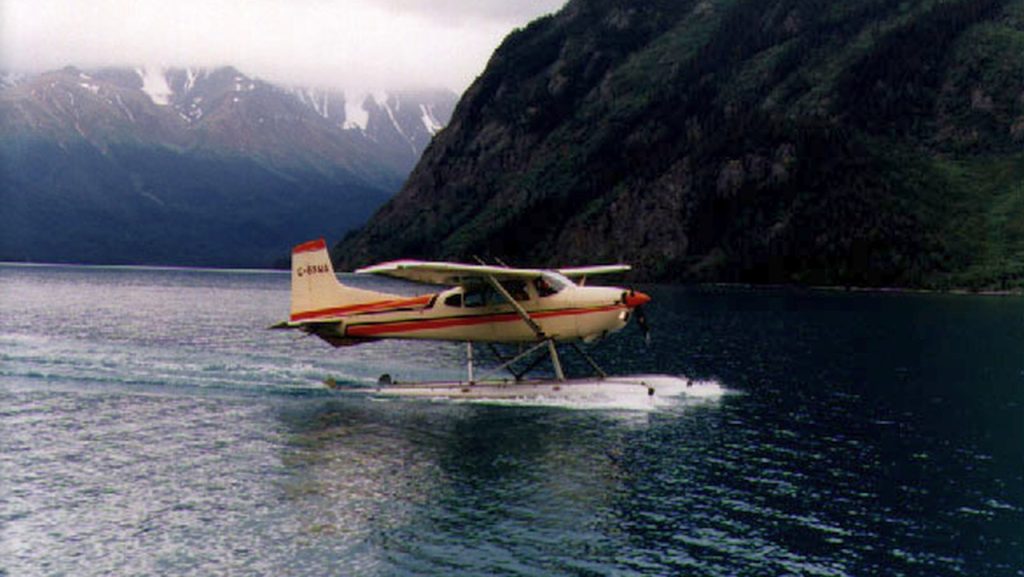
Bush planes do not normally include anything bigger than a “Twin Otter” and almost always can be operated on Wheels, Skis or Floats!
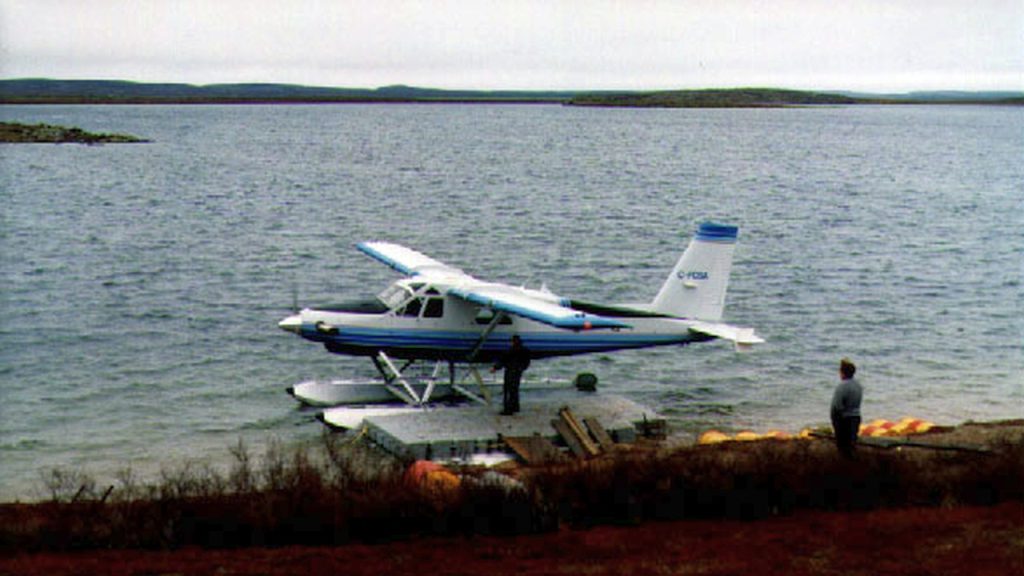
This is what a “Canadian Beaver” really looks like! haha
Cessna
General Information on CessnaCessna Aircraft Company was founded in 1927 in Wichita, Kansas, by Clyde Cessna, a pioneering aviator. It grew into one of the world’s largest general aviation manufacturers, famous for high-wing singles like the 172 (most-produced aircraft ever) and utility models such as the 180/185/206 series. Known for reliable, affordable, and versatile piston aircraft,
Cessna expanded into business jets (Citation series) and was acquired by Textron in 1992 (after earlier ownership changes). It emphasizes accessible flying, training, and utility, with a strong legacy in personal and light commercial aviation.
Cessna 180 Series
Cessna 180 Series (Focus on Float-Equipped Variants and Engines)The Cessna 180 Skywagon is a rugged, high-wing, single-engine taildragger introduced in 1953 as a four-seat (later up to six-seat) utility aircraft known for its excellent short-field performance and versatility.
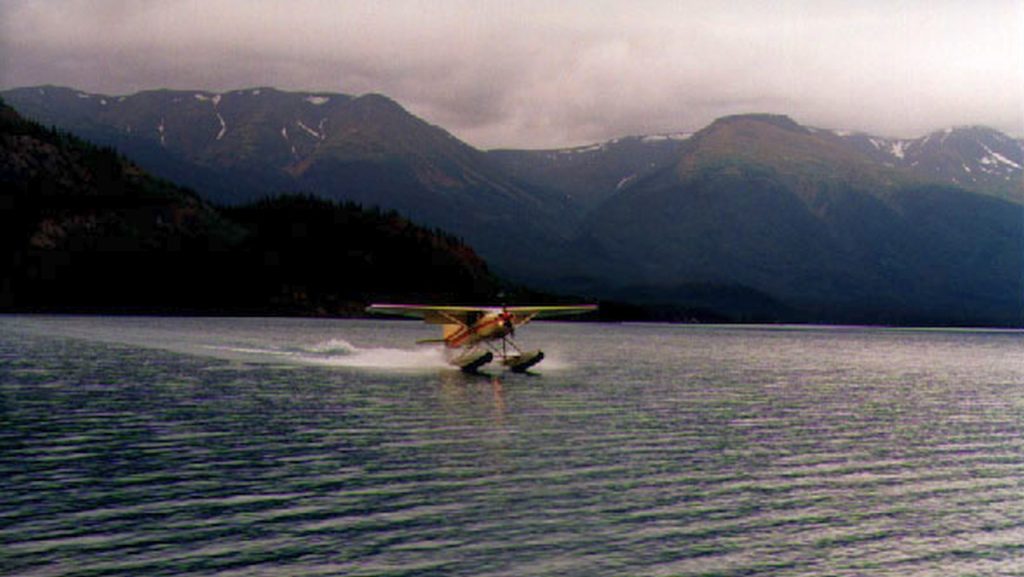
It became a popular bush plane, particularly in floatplane configurations for operations on lakes and remote waterways in regions like Alaska and Canada. Float-equipped 180s (often with Edo or Aerocet floats) offer strong payload and STOL capabilities but incur performance penalties compared to wheeled versions, such as reduced cruise speeds (around 120-130 knots) and longer takeoff runs. Gross weights on floats are typically in the 2,800–3,200 lb range depending on the model and STC modifications.
- Engines: Early models used the 225 hp Continental O-470-A/J; later ones (e.g., 180K) featured the 230 hp Continental O-470-U/R/K with constant-speed propellers. Some owners upgrade to 300 hp IO-550 variants for better performance. Fuel burn is around 11-13 GPH at cruise. aopa.org
- Key Performance: (Floatplane approx.): Cruise ~120-140 knots (slower on floats), strong climb rate, excellent STOL with Para-Lift flaps.
- Strengths: Durable all-metal construction, high useful load, easy maintenance; ideal for rough/short operations.
- Variants/Notes: Produced until 1981; many still active with float STCs (e.g., Aerocet 3500 series). Popular for personal and commercial bush flying.
Cessna 206
The Cessna 206 Stationair (and predecessors like the U206 Super Skywagon) is a larger, six-seat high-wing utility aircraft designed for heavy hauling with excellent payload and cabin access via aft doors. Introduced in the 1960s, it excels as a workhorse for cargo, passengers, and bush operations.
Float-equipped versions (straight or amphibious, e.g., Wipline or Aerocet) are common for remote water access, though they reduce speeds and increase takeoff distances compared to land gear. Modern 206H/T206H models maintain strong utility traits with improved interiors.
- Engines: Legacy models often used Continental IO-520 (285-300 hp); current 206H uses Lycoming IO-540-AC1A (300 hp), with T206H Turbo using TIO-540-AJ1A (310 hp). Constant-speed props standard. backcountrypilot.org
- Key Performance: (Floatplane approx.): Cruise ~140-160 knots (slower on floats), useful load ~1,000-1,400+ lbs, good STOL.
- Strengths: Large cabin, high payload, versatile doors, robust for rough ops; turbo models add high-altitude capability.
- Variants/Notes: Stationair name for later models; popular on amphibious floats for mixed operations. Production continues today. simpleflying.com
De Havilland Aircraft
De Havilland Aircraft of Canada (DHC) was established in 1928 as a subsidiary of the British de Havilland company to support Canadian aviation needs. It became renowned post-WWII for designing rugged STOL bush planes like the Beaver, Otter, and Twin Otter, tailored for Canada’s vast northern wilderness on wheels, floats, and skis. These aircraft emphasized payload, short-field performance, and durability.
The company evolved through ownership changes (including Boeing and Bombardier) and now operates as De Havilland Canada under Longview, continuing Twin Otter production and support for legacy types. It symbolizes Canadian innovation in utility and regional aviation.
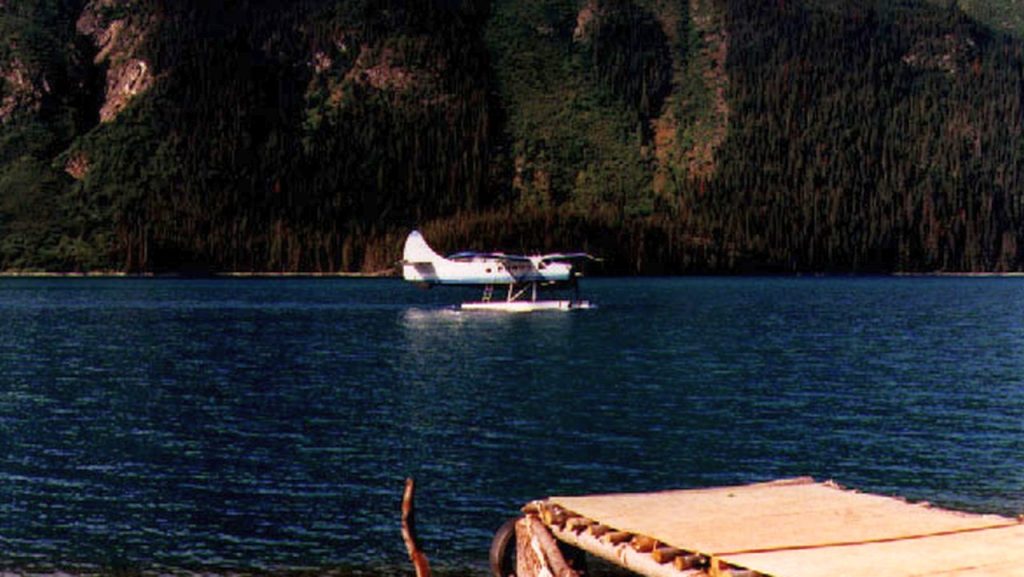
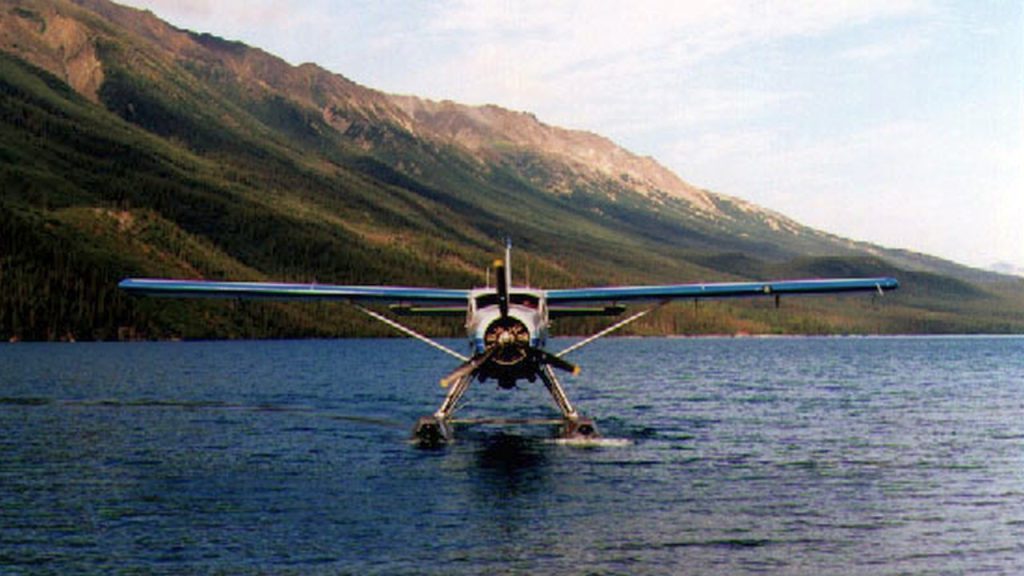
De Havilland Beaver
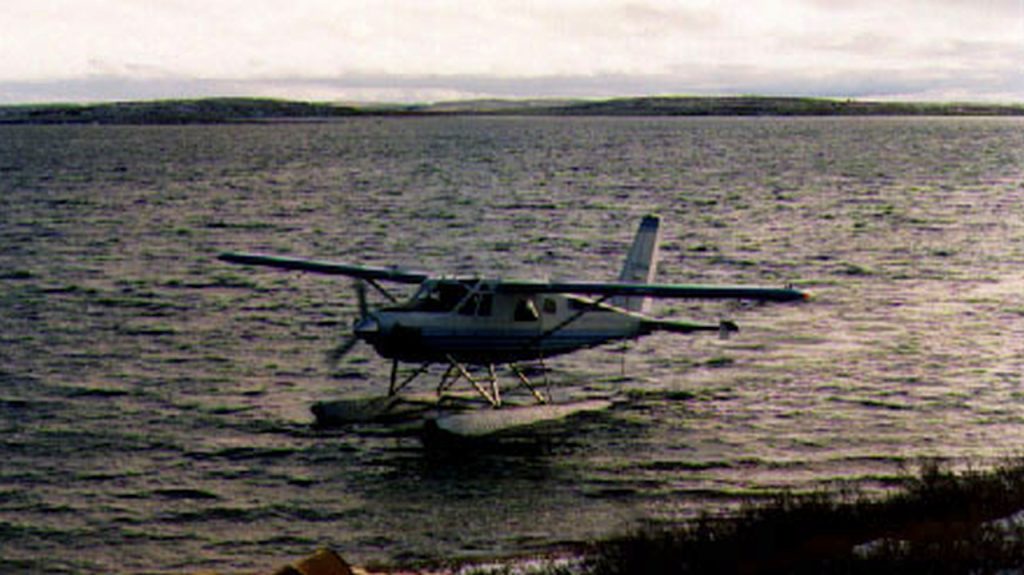
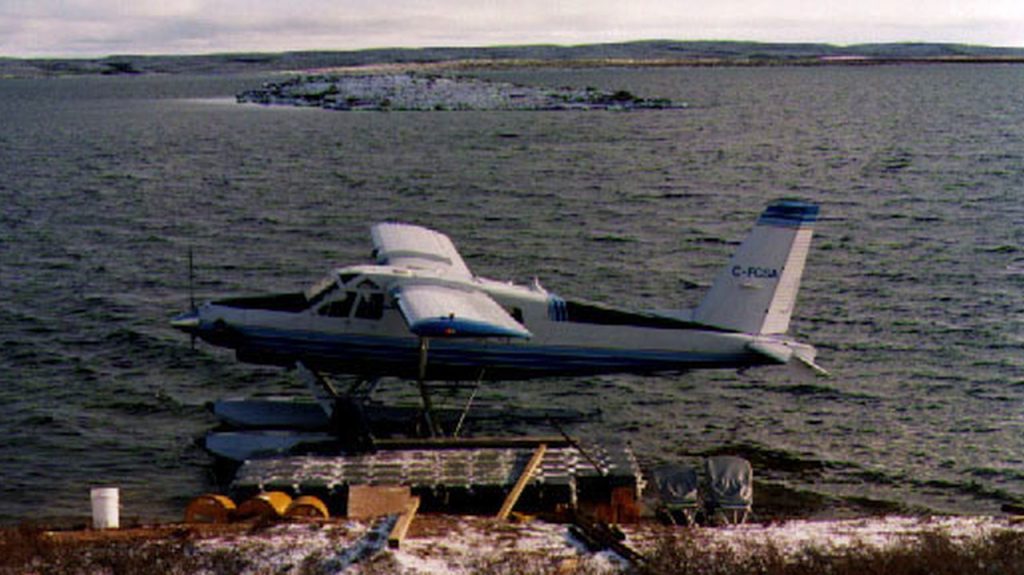
The DHC-2 Beaver is an iconic Canadian bush plane first flown in 1947, purpose-built for rugged operations with input from bush pilots.
Its all-metal high-wing design, powerful engine, and STOL performance make it legendary for hauling heavy loads into remote areas. Float-equipped Beavers are extremely common (often with Wipline or Edo floats), as are ski or wheel-ski versions for winter/rough terrain. It offers superb water handling and short takeoff/landing on unprepared surfaces.
- Strengths: Massive useful load, durability, versatility on wheels/floats/skis; still in demand worldwide.
- Radial Engine: Original Pratt & Whitney R-985 Wasp Junior (450 hp, 9-cylinder radial) – reliable but noisy and thirsty.
- Turbine Conversions: Many converted to PT6A turboprops (e.g., PT6A-27/34, ~550-680 shp) via Viking or Wipaire (Boss Beaver), improving performance, reliability, payload (up to ~2,500+ lbs useful), and reducing noise/vibration. Factory Mk.III Turbo Beaver also produced.
- Key Specs: Gross weight ~5,100-6,000 lbs (higher in conversions), cruise ~100-140 knots (faster turbine), exceptional STOL.
De Havilland Otter
The DHC-3 Otter, first flown in 1951, is a larger single-engine STOL utility aircraft than the Beaver, capable of carrying more payload (roughly double) and passengers (up to 10-11).
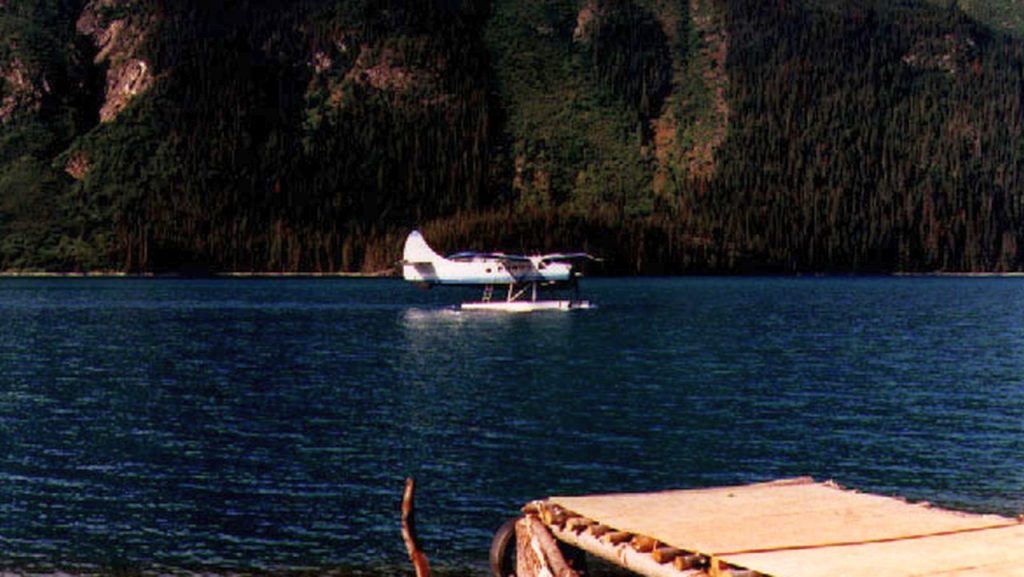
Its high-wing design and robust build suit bush flying, with widespread use on floats (Edo common) for lake/river ops and skis for snow/ice. It is a true workhorse for remote transport.
- Engines: All turbine-powered from the start with Pratt & Whitney Canada PT6A variants (Series 100: PT6A-20 ~550 shp; later 300/400: PT6A-27/34 ~620-750 shp). Reversible props aid short landings.
- Key Specs: Gross weight up to 12,500 lbs (Series 400), cruise ~160-180 knots, excellent STOL (takeoff ~1,200 ft), payload ~3,000+ lbs.
- Strengths: Twin redundancy, versatile gear (floats, skis, tundra tires), modern avionics in newer Series 400; operates in extreme conditions worldwide.
- Notes: No radial engines; all turboprop. Widely used for regional and special missions.
De Havilland Twin Otter
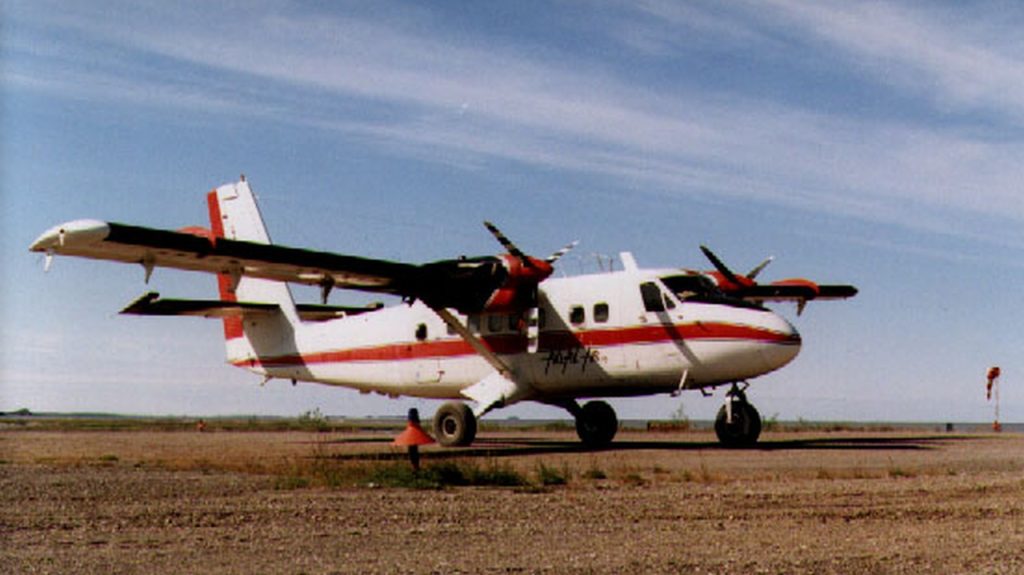
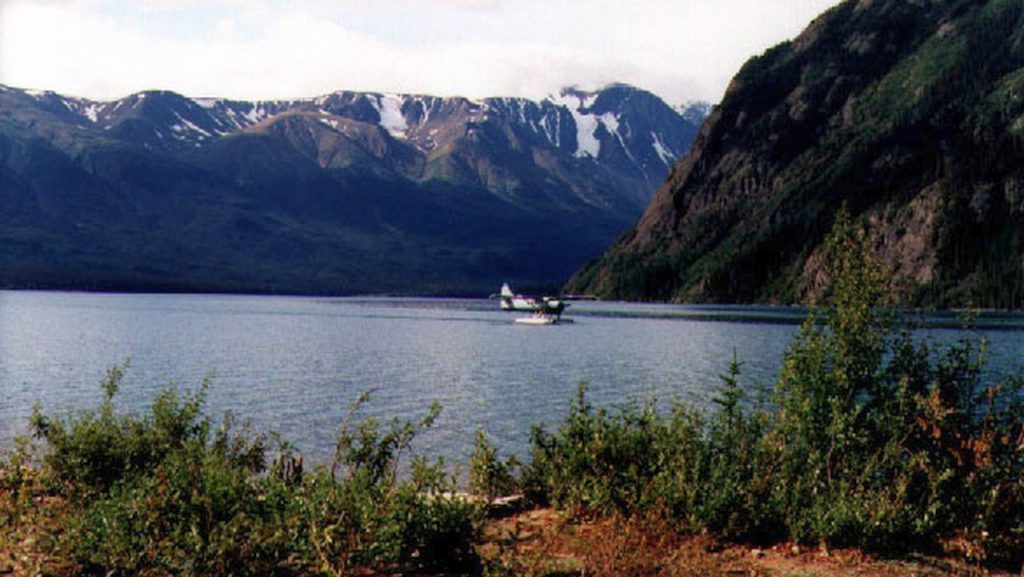
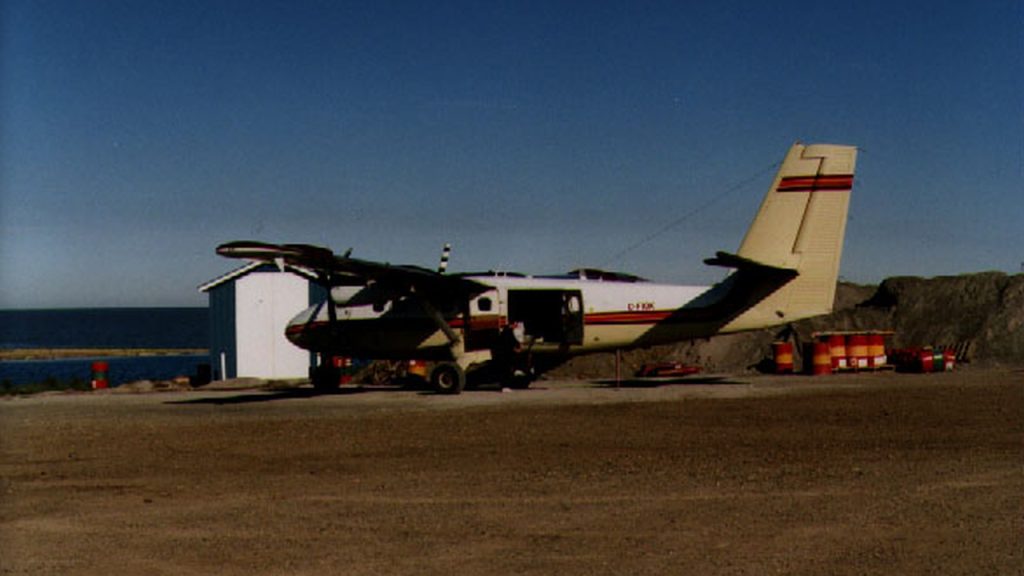
The DHC-6 Twin Otter is a twin-engine STOL turboprop developed as a more reliable successor to the single-engine Otter.
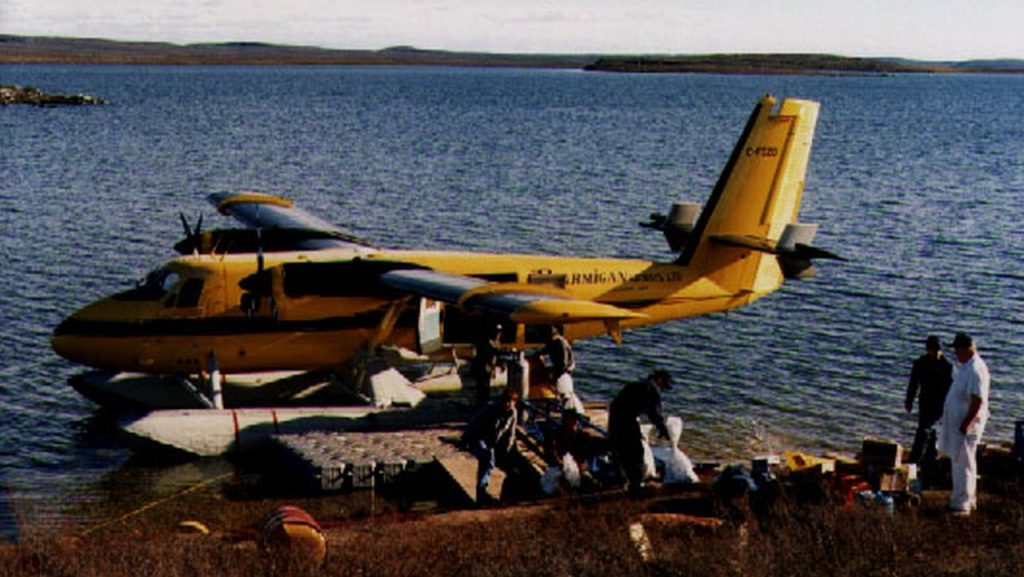
First flown in 1965, it retains superb short-field performance while adding twin-engine safety. It is highly adaptable for commuter, cargo, and bush roles, with configurations including floats (straight/amphibious), skis, wheel-skis, and tundra tires for soft/rough terrain. Production resumed under Viking/De Havilland Canada.
- Engines: All turbine-powered from the start with Pratt & Whitney Canada PT6A variants (Series 100: PT6A-20 ~550 shp; later 300/400: PT6A-27/34 ~620-750 shp). Reversible props aid short landings.
- Key Specs: Gross weight up to 12,500 lbs (Series 400), cruise ~160-180 knots, excellent STOL (takeoff ~1,200 ft), payload ~3,000+ lbs.
- Strengths: Twin redundancy, versatile gear (floats, skis, tundra tires), modern avionics in newer Series 400; operates in extreme conditions worldwide.
- Notes: No radial engines; all turboprop. Widely used for regional and special missions.
Jump to other Aviation Related Links
- See the main page on Air Tankers & Water Bombers right here ….. more
- See the main page on Airports & Base Camps right here ….. more
- See the main page on Aviation Museums right here ….. more
- See the main page on Aviation Training right here ….. more
- See the main page on Bush Planes right here ….. more
- See the main page on Cargo & Transport Aircraft right here ….. more
- See the main page on Helicopters right here ….. more
- See the main page on Military Aircraft right here ….. more
Flying around remote parts of Canada was a blast in traditional bush planes!