
The “Power of Powder” in prepping and emergency preparedness highlights the exceptional value of powdered (dehydrated, freeze-dried, or spray-dried) foods for building a reliable, long-term food supply.
These items are compact, lightweight, nutrient-dense, and boast dramatically extended shelf lives—often 10–30+ years when properly stored—making them ideal for survival scenarios, power outages, supply disruptions, or cost-effective bulk storage.
They maximize calories, protein, vitamins, and flavor per unit of space/weight, require minimal preparation (often just add water), and resist spoilage without refrigeration.


Powdered foods shine because:
- They concentrate nutrition (e.g., protein, fats, calcium) efficiently.
- They add versatility to basic staples like rice, beans, pasta, or oats—turning bland survival meals into comforting, familiar ones.
- Proper storage (cool, dark, dry place; airtight containers like mylar bags with oxygen absorbers, sealed jars, or food-grade buckets) prevents oxidation and moisture damage, extending usability far beyond fresh equivalents.
- Many are affordable in bulk and easy to rotate into everyday cooking to keep stock fresh.
Here are some of the most powerful and commonly recommended powdered items for preppers, including dairy, cheese, and bouillon types, plus others worth considering:
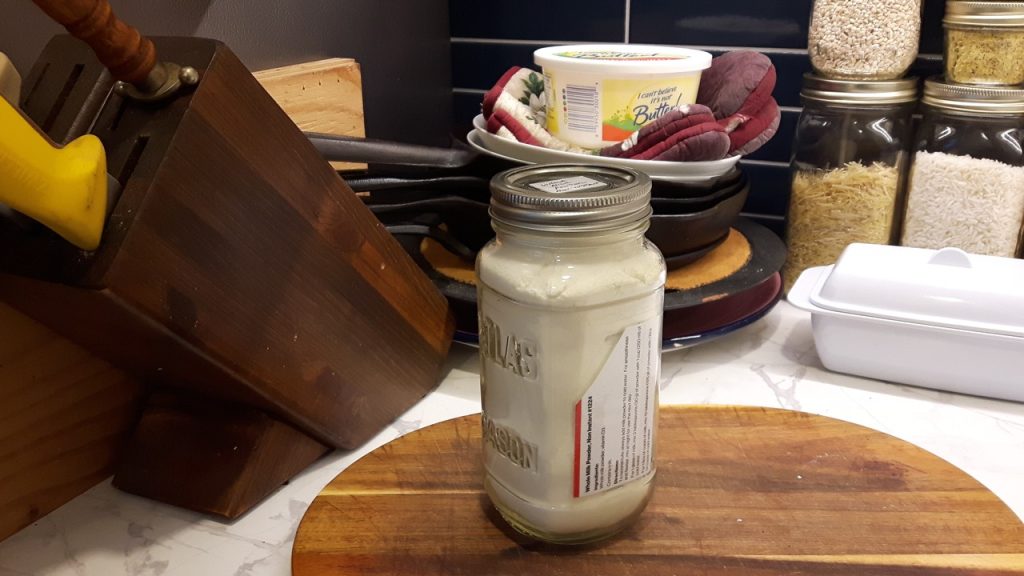
Dairy Powders
These provide essential calcium, protein, fats, and creaminess—key for nutrition, baking, and morale-boosting comfort foods.
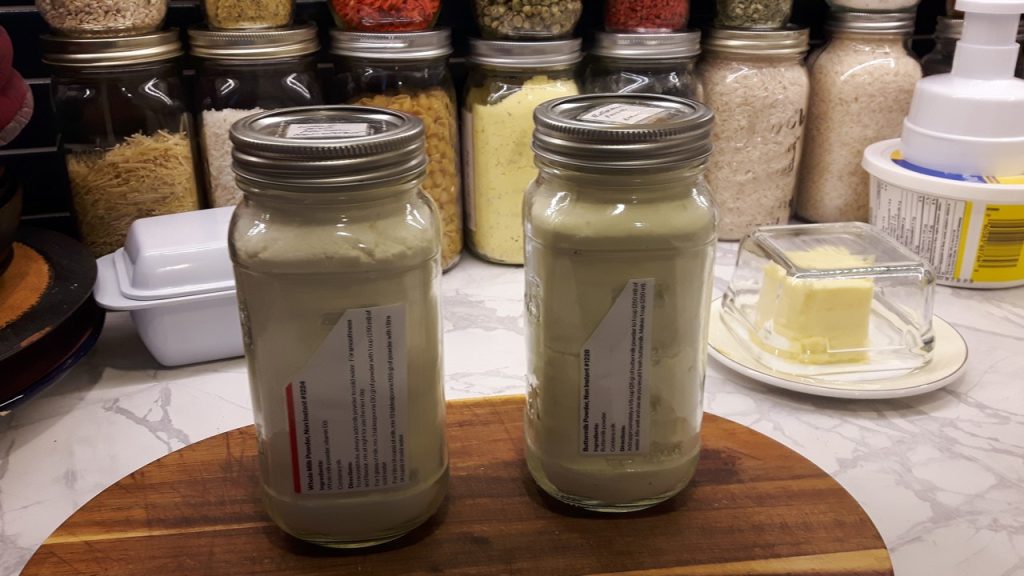
- Powdered Milk (whole, skim/non-fat, or whey): Reconstitute for drinking, smoothies, sauces, or soups; add dry to baking for tenderness, browning, and moisture. Whole adds richer flavor/calories; skim/non-fat lasts longer (20–25+ years sealed). Great for casseroles, mashed potatoes, or homemade yogurt hacks.
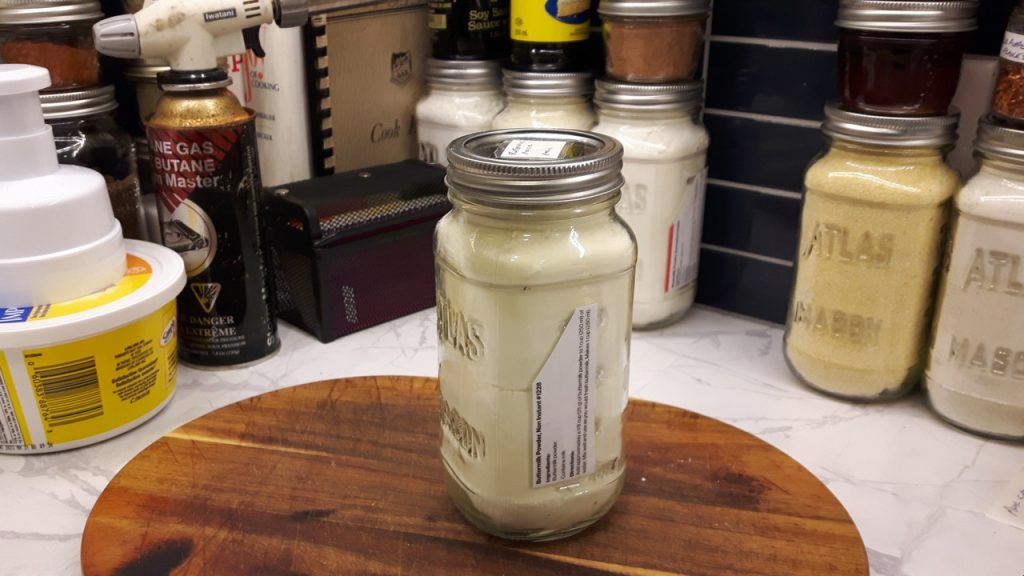
- Powdered Butter or Heavy Cream: Boosts richness in baking, mashed items, or sauces without needing refrigeration.
- Powdered Eggs: Complete protein source; use for scrambled eggs, omelets, baking, or binding meatballs. Often 20–30+ year shelf life—superior to fresh in emergencies.
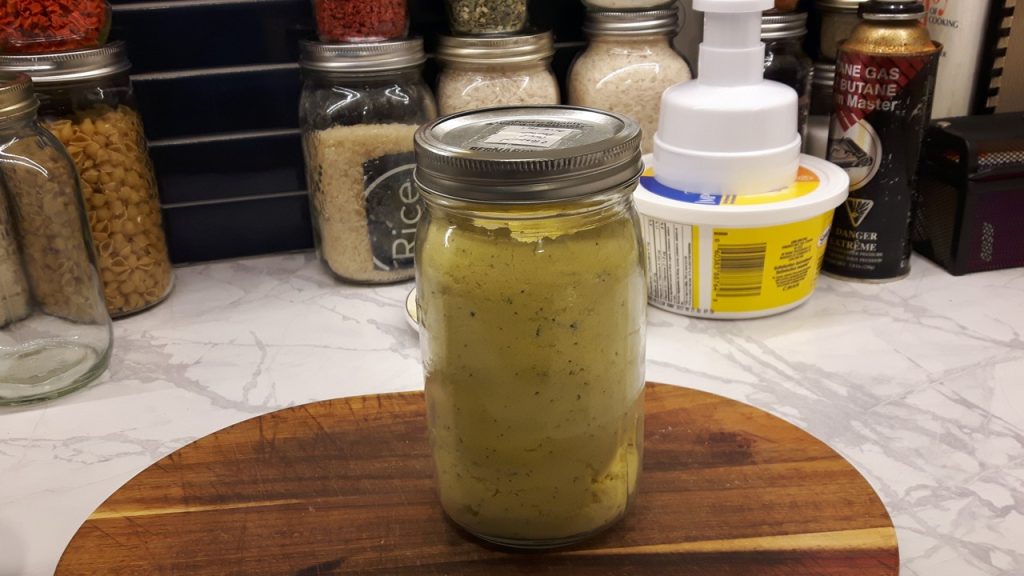
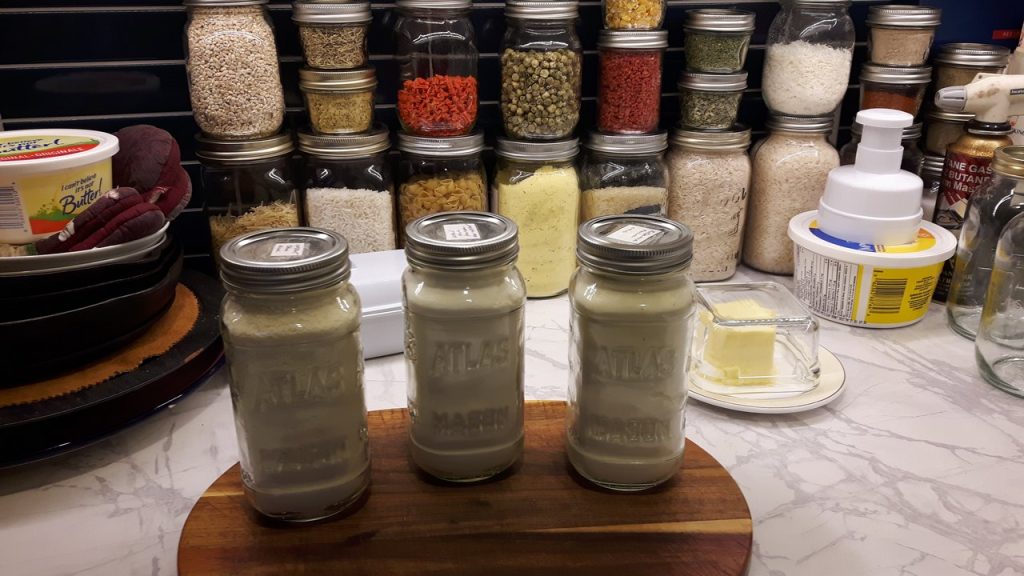
Cheese and Flavor Powders
These deliver savory, umami depth and fat for taste without fresh perishables.
- Cheese Powder (or mac & cheese sauce mixes): Instant cheesy flavor for sauces, dips, popcorn, casseroles, or seasoning rubs. Adds fat/calories; versatile for cheesy rice, veggies, or breads.
- Powdered Peanut Butter (or other nut butters): Lightweight plant-based protein; mix into oatmeal, sauces, or energy balls—long-lasting and space-efficient.
Savory Bases and Broths
These transform plain ingredients into flavorful meals with minimal effort.
- Chicken Soup Base/Bouillon Powder: Provides instant chicken umami, salt, and depth for broths, gravies, rice pilafs, soups, marinades, or seasoning meats/veggies. A small amount elevates everything—pairs well with rice/beans for quick “chicken” dishes.
- Other bouillon powders (beef, vegetable, mushroom): Offer variety for stews, gravies, or plant-based meals.
Additional Top Powdered Foods for Preppers
- Powdered Soup Mixes or Dehydrated Veggies: Boost vitamins/minerals in soups, stews, or homemade blends.
- Powdered Honey or Sweeteners: Shelf-stable energy source that doesn’t crystallize.
- Powdered Fruit or Greens Blends: Add vitamins/antioxidants to drinks or baking.
- Protein Powders (whey, pea, etc.): Space-saving nutrition for shakes or fortifying meals.
Storage & Practical Tips
- Maximize shelf life: Use oxygen absorbers in Mylar bags or vacuum-seal; store below 70°F (ideally cooler). Non-fat/low-fat options last longest; higher-fat ones (like whole milk or cheese) may shorten to 5–15 years but provide more calories.
- Rotation strategy: Use in daily cooking (e.g., milk powder in bread, bouillon in rice) to prevent waste—first in, first out.
- Versatility hacks: Add dry powders directly to recipes for thickness, flavor, or nutrition (e.g., cheese powder in coatings, milk in dough).
- Why prioritize powders?: In long disruptions, they enable balanced, tasty meals with basic resources (water + heat), preserving morale and health.
These form the backbone of many prepper pantries for their efficiency and reliability. If you’re building a supply, start with dairy + flavor bases for nutrition and taste, then expand to proteins/veggies.