
Bill Withers (1938–2020) was an American soul/R&B singer-songwriter known for his warm, authentic voice and grounded songwriting that blended soul, folk, gospel, and funk influences.
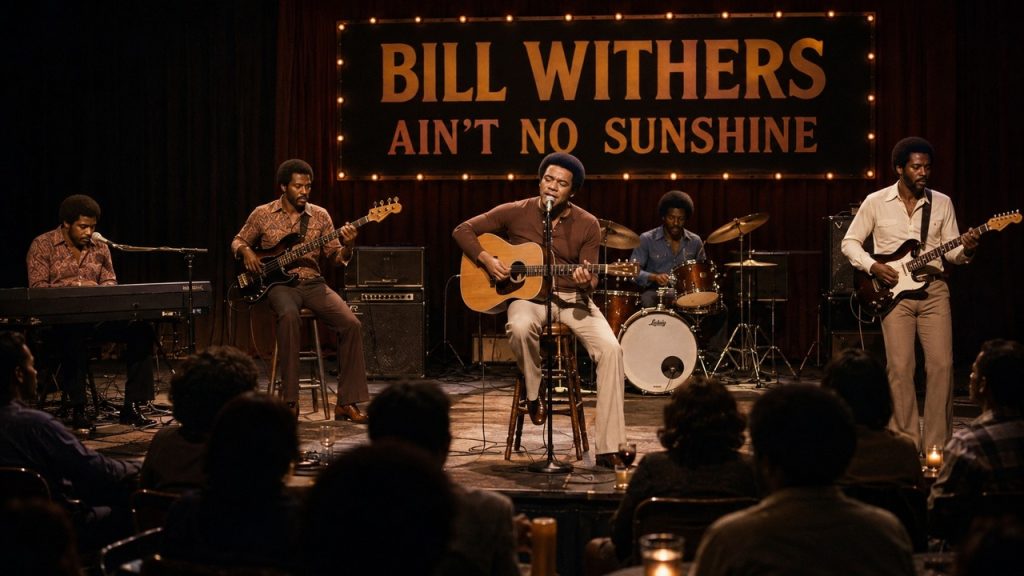
Born William Harrison Withers Jr. on July 4, 1938, in the small coal-mining town of Slab Fork, West Virginia (raised nearby in Beckley), he was the youngest of six children. His father, a miner, died when Bill was about 13; his mother worked as a maid. He stuttered as a child and later enlisted in the U.S. Navy at 17, serving nine years as an aircraft mechanic. After his discharge around 1965, he moved to California (Los Angeles area), worked factory jobs (including making toilet seats/lavatory units for Boeing 747s), and pursued music on the side by recording demos.
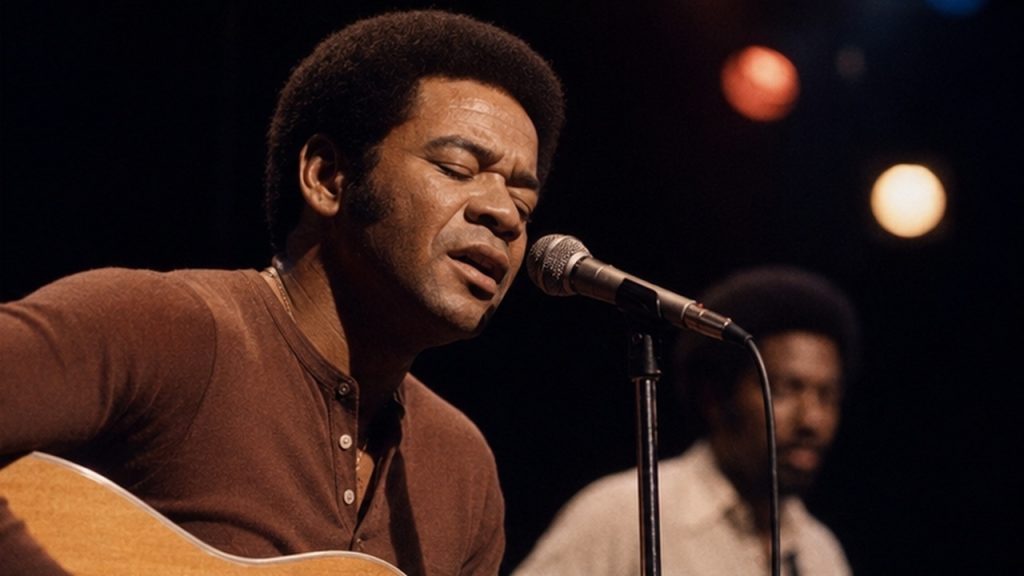
He got a relatively late start—his debut album Just As I Am came out in 1971 when he was in his early 30s—and was produced by Booker T. Jones with contributions from musicians like Donald “Duck” Dunn, Al Jackson Jr., and Stephen Stills. Hits followed, including “Lean on Me,” “Use Me,” “Lovely Day,” and the collaboration “Just the Two of Us.” He won three Grammys, was inducted into the Songwriters Hall of Fame (2005) and Rock and Roll Hall of Fame (2015), and largely stepped away from the industry in the mid-1980s. He died on March 30, 2020, at age 81 from heart complications.
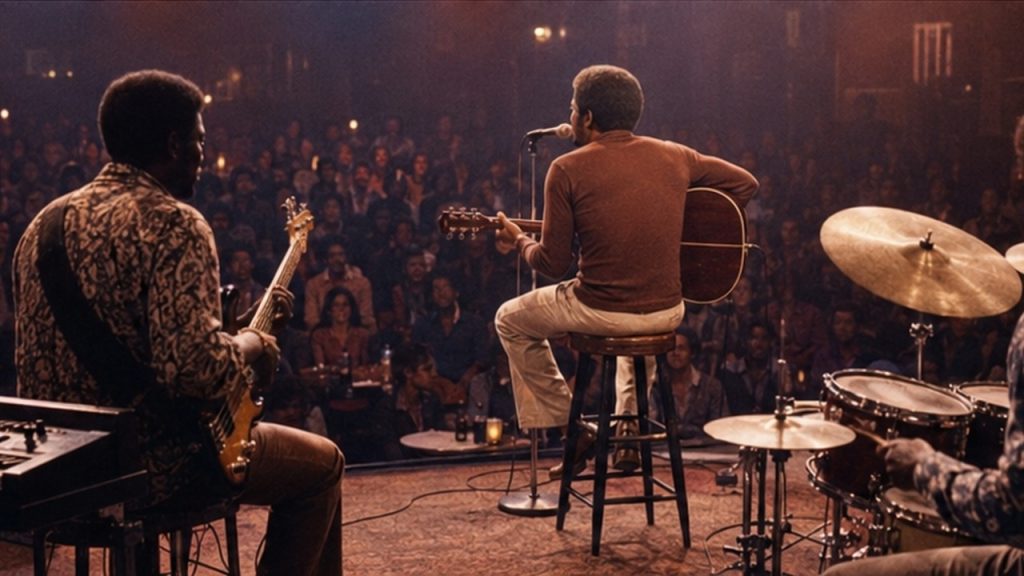
“Ain’t No Sunshine” is one of his signature songs and breakthrough hit, from the 1971 debut album Just As I Am. It was originally released as the B-side to “Harlem,” but DJs flipped it and it took off, reaching No. 3 on the Billboard Hot 100 and No. 6 on the R&B chart. It won the Grammy for Best R&B Song and has been widely covered and featured in films/TV. The sparse, emotional track (with Withers on vocals/guitar, plus the rhythm section and strings arranged by Jones) captures longing and absence: “Ain’t no sunshine when she’s gone…”
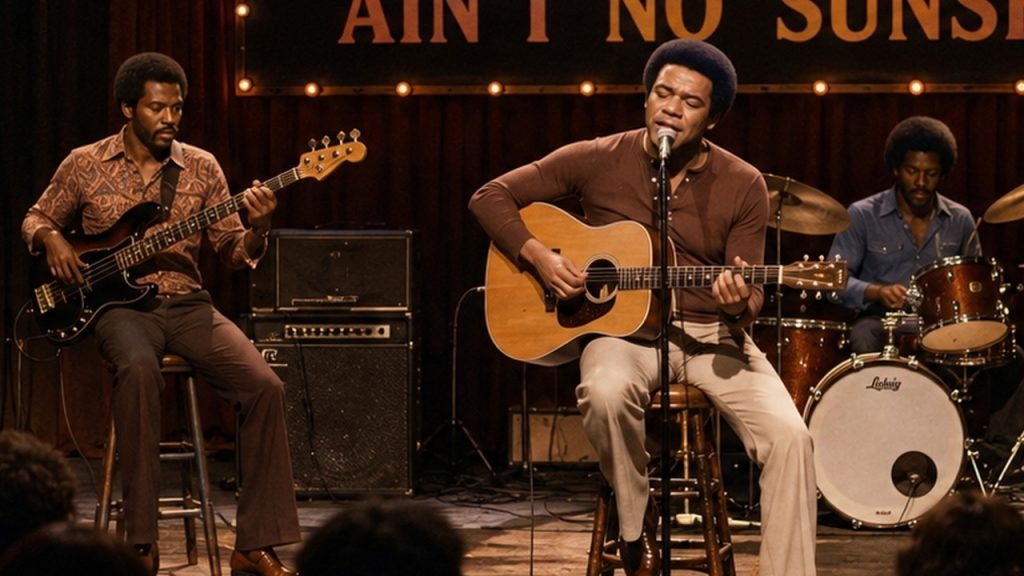
Withers wrote it after watching the 1962 film Days of Wine and Roses (about a couple struggling with alcoholism), reflecting on how people can miss things that aren’t good for them. He has also noted elements of the melody’s Eastern flavor from his time in the Navy in the Far East/Thailand. The famous bridge—where he repeats “I know” roughly 26 times—was originally a placeholder while he planned more lyrics; the musicians (including Booker T.) liked it so much they kept it.
Interesting fact: When “Ain’t No Sunshine” went gold, the record company gave Withers a golden toilet seat as a playful nod to his previous factory job making airplane lavatories—marking the official start of his music career after he left that work behind.