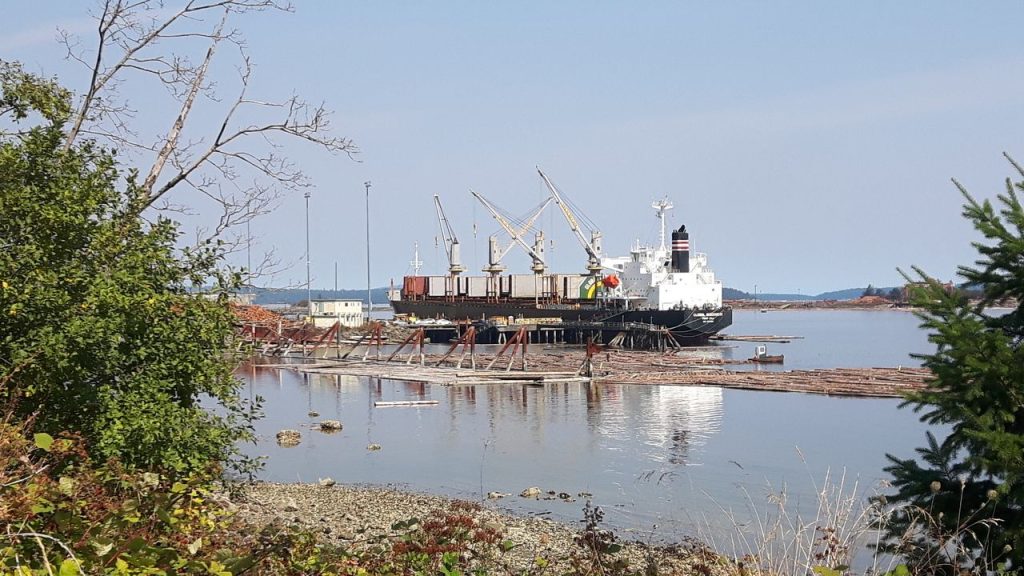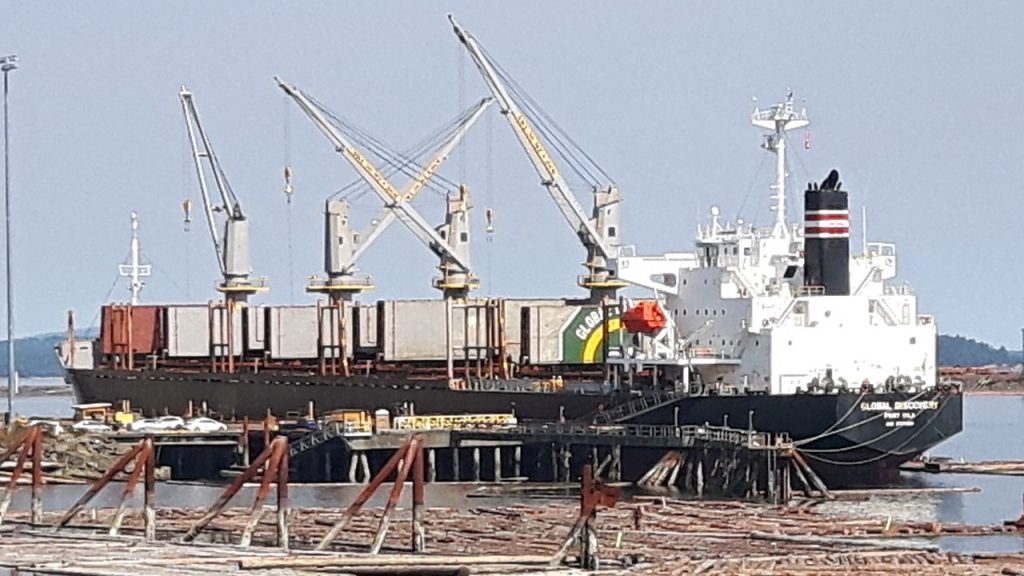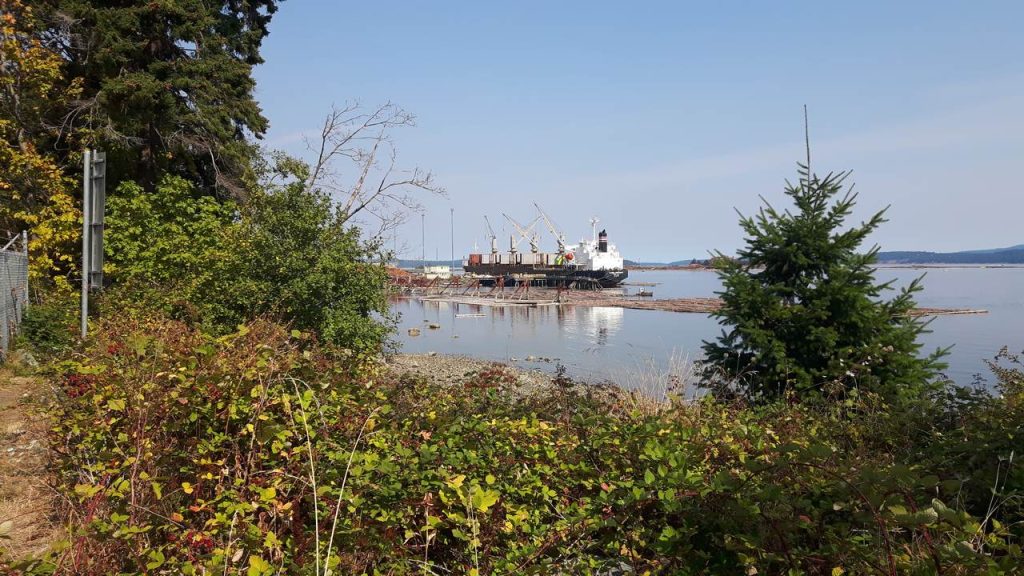
Crews on bulk carriers (and other merchant ships) commonly fish recreationally from the vessel as a pastime, especially during long voyages, at anchor, or when drifting/waiting. It is not part of commercial operations—bulk carriers like the Global Discovery (a ~183 m Vanuatu-flagged vessel built in 2015, ~38,000 DWT) carry dry bulk cargo and are not equipped or licensed as fishing vessels. Fishing is informal, for recreation or fresh food, and depends on free time, sea state, location, and company/ship policy.
Seafarer accounts (including dedicated discussions among officers and crew) describe handlining, rod-and-reel, or simple lures over the side. Success varies widely: open-ocean fishing is opportunistic and often slower than near coasts or structure, but possible. Risks include toxins such as ciguatera in certain reef-associated fish in tropical areas, so crews sometimes avoid or are cautious with specific species.
Typical open-ocean catches
In the open ocean (pelagic waters), common targets or incidental catches with simple gear include:
- Tunas (e.g., skipjack, yellowfin).
- Mahi-mahi (dolphin fish).
- Wahoo.
- Various jacks, mackerels, or other pelagics.
These fish often congregate around floating objects (logs, debris, seaweed, or even the ship itself in some conditions). Crews may use poles with spoon lures or bait while the ship is slow or drifting. Catches are generally for personal consumption rather than large quantities. Nearer coasts, banks, or while approaching ports, the variety increases (depending on the region: e.g., different species in the Pacific vs. Atlantic). Results are highly location- and season-dependent; deep open ocean is not as productive as productive fishing grounds.
Crab, shrimp, or lobster trapping while anchored
This is possible in principle but uncommon, limited, and often restricted:
- Practical mainly while anchored in shallower coastal waters, roadsteads, or designated anchorages (not the deep open ocean). Bulk carriers frequently wait at anchor for berths, weather, or orders—sometimes for days—near ports.
- Simple baited traps, pots, or homemade devices can be lowered from the side or stern on lines. Crabs (e.g., Dungeness in some temperate areas) are more commonly targeted this way than shrimp or lobster, as the latter often require specific pot designs, soak times, and habitats.
- Real-world examples exist of merchant ship crews setting traps and catching significant numbers of crabs while in port areas or anchorages. One documented case involved sailors on a large commercial vessel near Vancouver hauling traps and catching large quantities (hundreds of pounds claimed), cooking them onboard—though it drew official attention for apparent violations.
Limitations are significant: ship height and freeboard make retrieval awkward; weather/swell can interfere; traps can be lost or become navigation hazards; and most commercial shellfish fisheries use specialized smaller vessels with proper gear. Deep open-ocean anchoring is rare and depths are usually unsuitable for practical trapping of these species. Environmental and safety rules (anchor drag, waste, etc.) also apply.
Fishing licenses and regulations
Rules depend almost entirely on location, not the ship type:
- In a country’s territorial waters or Exclusive Economic Zone (EEZ): Local (coastal state) recreational fishing laws apply. This usually means personal recreational licenses/permits for the individuals fishing, size/possession limits, seasonal closures, protected species rules, gear restrictions, and sometimes area prohibitions (e.g., certain harbor zones closed to crabbing). Commercial fishing licenses, vessel permits, and crew endorsements are generally not required or applicable for casual personal-use fishing from a cargo ship, but exceeding recreational limits or selling the catch can trigger commercial rules. Enforcement varies; some areas actively monitor.
- On the high seas (beyond national jurisdiction): Fewer restrictions for pure recreational/personal fishing, though general duties under international law (e.g., regarding pollution, protected species) still apply. No special “ship crew fishing license” is typically needed.
- Ship’s flag state (e.g., Vanuatu for the Global Discovery): May have general seafarer or vessel rules, but these rarely dictate recreational fishing specifics.
- Practical reality: Many crews fish informally without formal licenses when in international waters or low-enforcement areas. In regulated coastal zones (especially near busy ports in places like Canada, the US, Europe, Japan, etc.), doing so without the required local recreational permit, or violating bag limits/size rules/night restrictions, can lead to fines or other action—as seen in the Vancouver crabbing example. Company policies or the master can also prohibit it for safety, liability, or pollution reasons.
In short, recreational line fishing from bulk carriers is a recognized seafarer pastime with pelagic species like tuna, mahi-mahi, and wahoo as realistic open-ocean examples.