
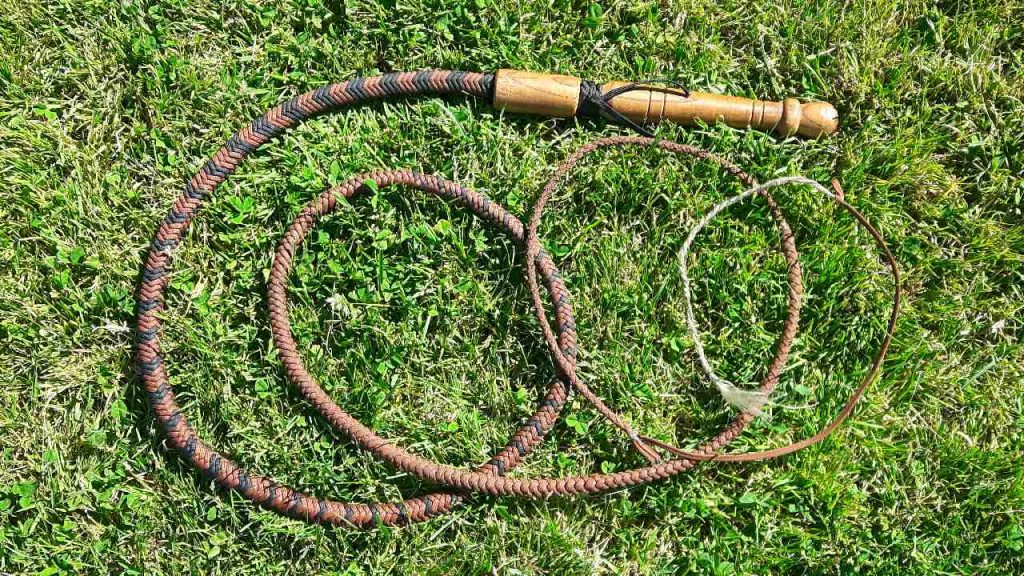
This is an 11.5 Ft. Paracord, Florida Cow Whip! If you’re just starting out, get a shorter one.
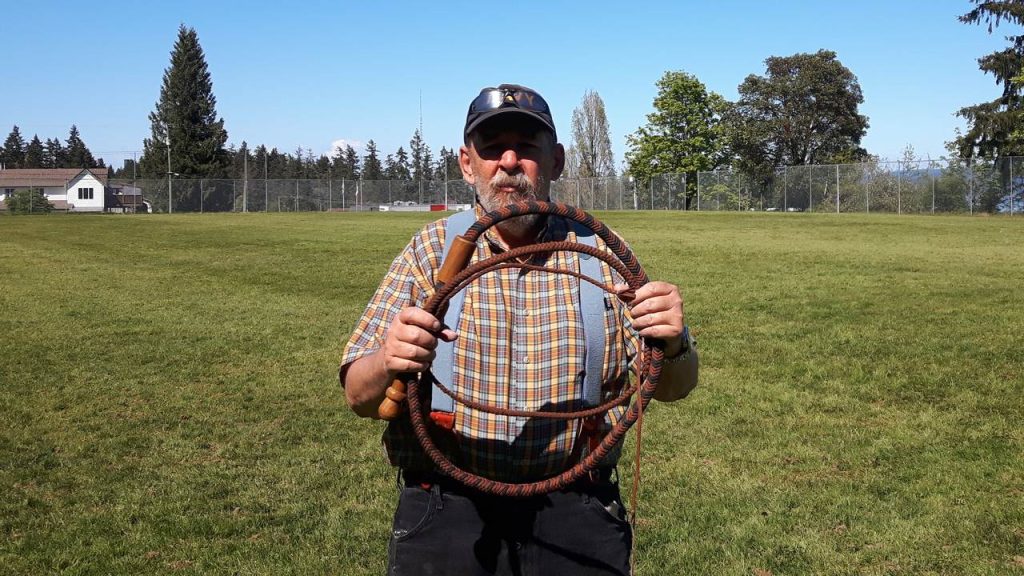
Basic whip terminology covers the main parts shared across many types like bullwhips, stock whips, and cow whips (with some variations by style).
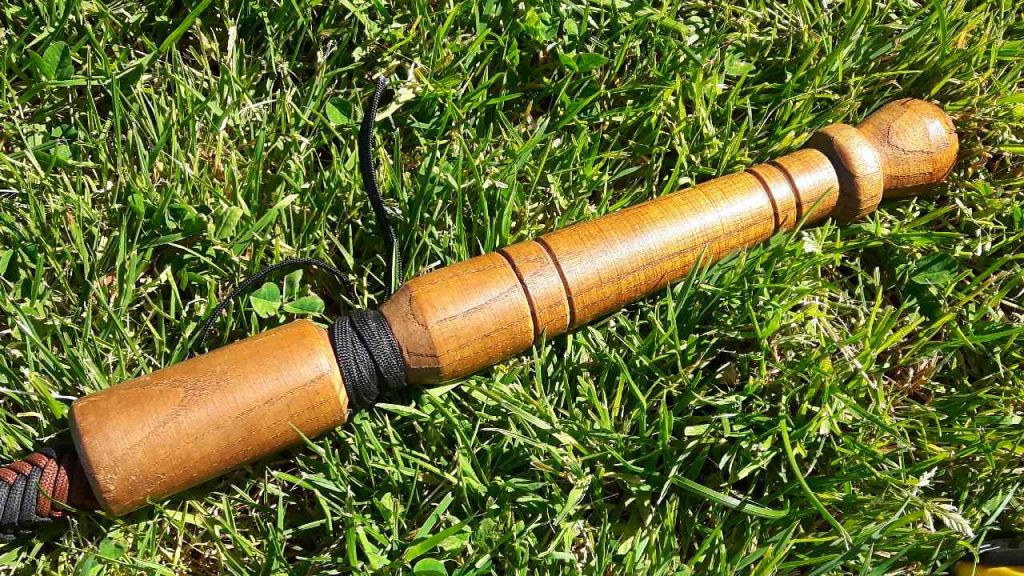
- Pommel/Heel/Butt Knot: The knob at the end of the handle (often a Turk’s head or crown knot). On bullwhips, you often grip this in your palm for control; it may be weighted.
- Handle: The stiff section for leverage (common in bullwhips and stockwhips; often wood, metal, or rigid). Snake whips or signal whips lack a stiff handle and are fully flexible for portability.
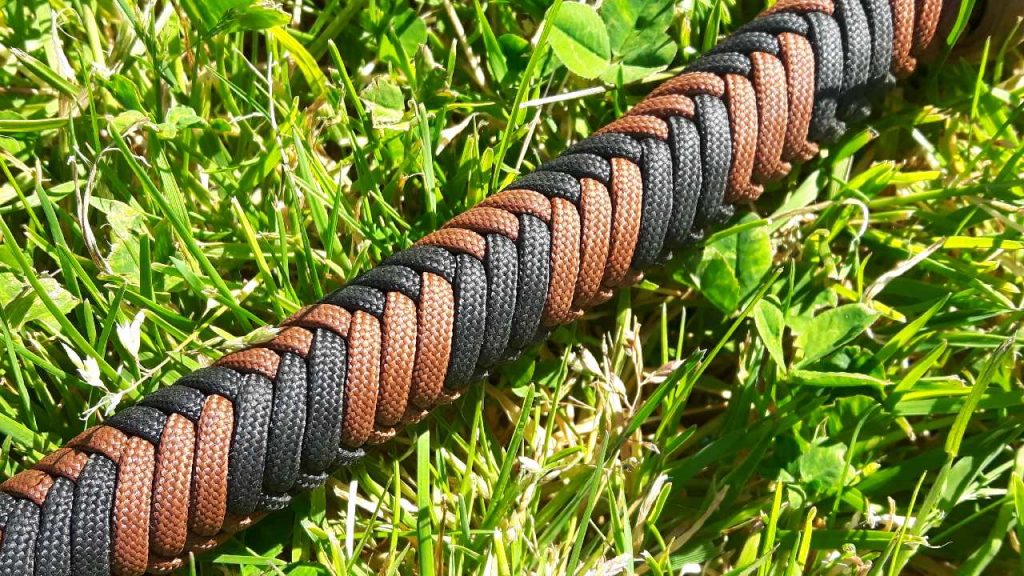
- Thong: The main braided flexible body of the whip (from after the handle to near the tip). It tapers for performance.
- Overlay: The visible outer braid (e.g., 12-plait means 12 strands).
- Belly/Bellies: Inner braided layers under the overlay that provide density, shape, and performance. Multiple layers are common in quality whips.
- Core: The innermost tapered foundation (often same material as the rest or weighted).
- Fall: A replaceable, durable thinner section (leather or cord) attached to the end of the thong. It helps with the transition to the tip.
- Cracker/Popper: The very end (often twisted string or thin material). This is the part that breaks the sound barrier to create the loud crack; it’s cheap and easily replaced as it wears fastest.
- Plait: The number of strands braided (e.g., 4-plait, 8-plait, 12-plait). Higher plait counts are often smoother and more refined.
Other terms include keeper (a hinge on some stock whips) and transition knot (decorative marker between handle and thong on bullwhips). Whips work via a tapering loop that accelerates energy down the length until the tip exceeds the speed of sound, creating a sonic boom.
Florida Cow Whips (including paracord versions)
Florida Cow Whips (also called Cracker whips) come from Florida’s ranching heritage. Spanish-introduced cattle and 18th-19th century “cow hunters” or “Cracker” cowboys used them in open ranges, palmetto scrub, and wet terrain. Cowboys used the loud crack (not usually striking the animals) to direct herds—the sound is thought to be a primary origin of the “Florida Cracker” nickname.
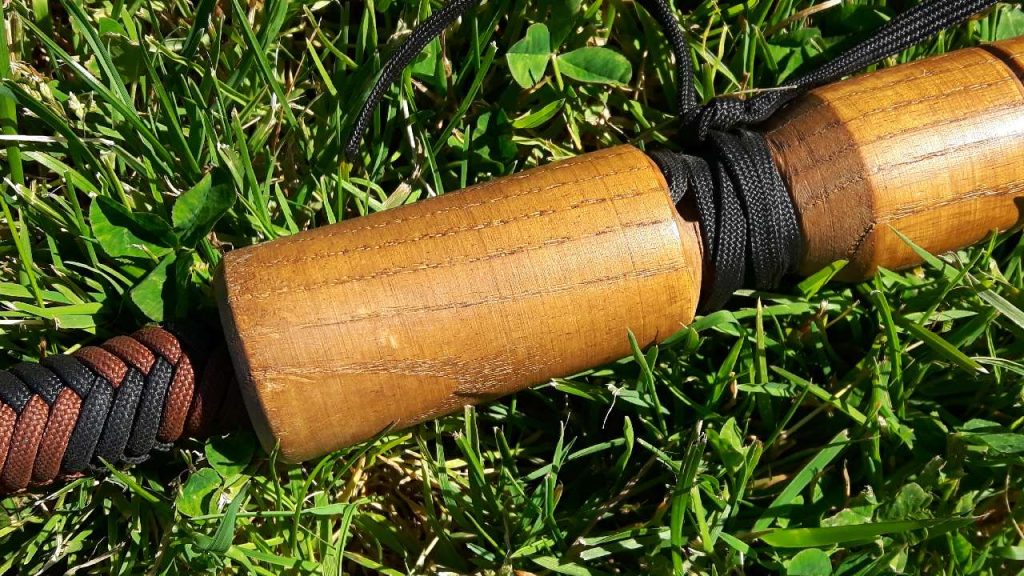
Traditional versions feature:
- Braided buckskin/deerhide (or sometimes cowhide) with multiple layers (“bellies”) for taper and power.
- A hollow wooden handle (often 12-15+ inches) where the thong attaches via a leather loop/thong (distinct from integrated bullwhip handles).
- Lengths often 8-13+ feet.
- A thin deerskin or similar cracker at the tip.
- Coatings like tallow/beeswax/rosin for protection against Florida’s sun, sand, rain, and abrasion.
Paracord versions emerged as a modern, durable adaptation. Florida whip crackers found paracord (especially 550) resisted mud/water better than leather and required less maintenance. These became known as Florida Cow Whips in paracord communities. They often blend styles: hollow or hybrid handles, tapered cores, and cow-whip-like attachment/performance, while being forgiving, fast, and accurate. Paracord whips are popular for beginners due to affordability, weather resistance, and ease of making/repairing. Makers may use gutted or un-gutted cord, cores for taper, and multi-plait braids.
They retain the cracking power for herding, sport cracking, target work, or fun, while being more practical in wet/humid conditions than traditional leather.
How to Measure a Whip Properly
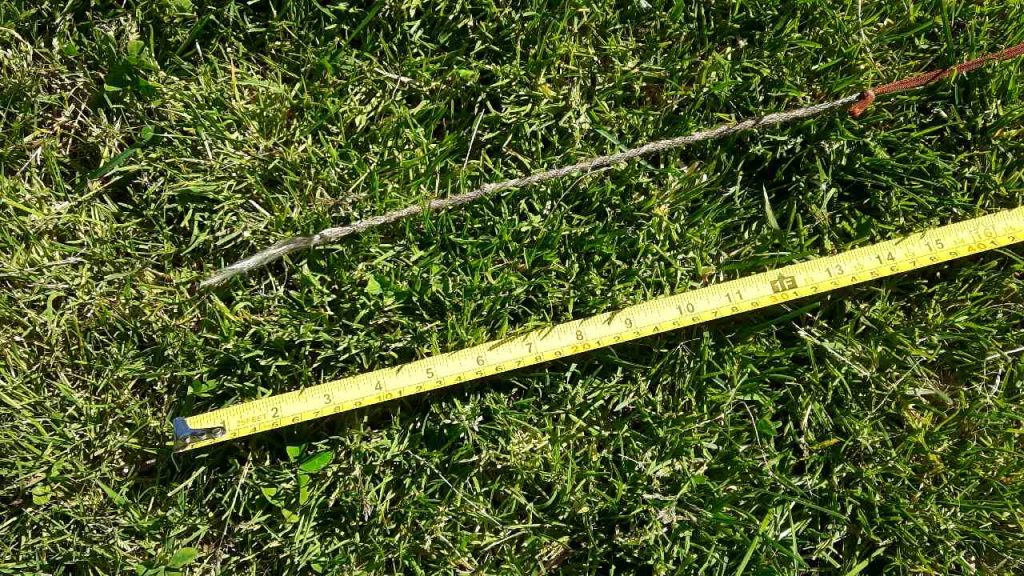
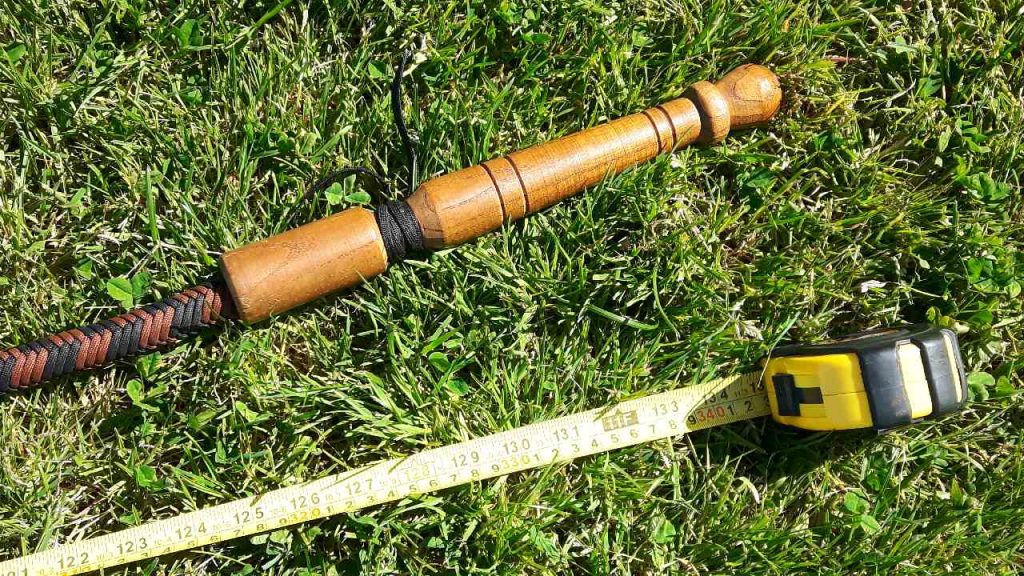
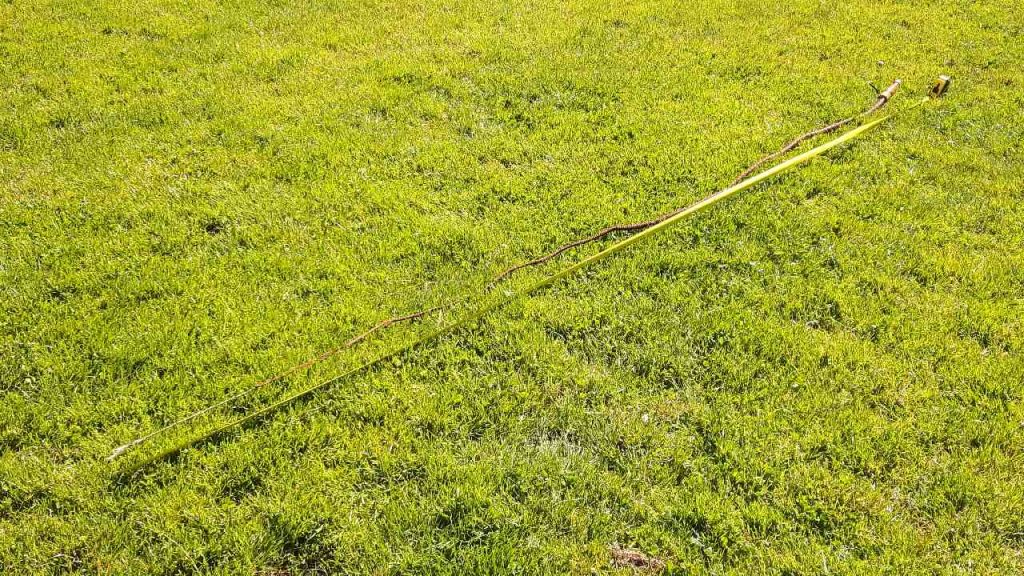
Always wear safety gear when learning! Safety glasses & heavy clothing! You can thank me later!
Measurement varies by whip type—always clarify with the maker or seller.
- Bullwhips (integrated stiff handle): Measured from the start/butt of the handle (pommel) to the end of the thong (before the fall). A labeled “6 ft” bullwhip is typically that length to the thong end; total with fall + cracker is longer (e.g., 7-8+ ft).
- Florida Cow Whips / Stockwhips: Often have two measurements—handle length + thong length. Total includes handle + thong + fall + cracker. Confirm if the listed length is thong-only or overall.
- General advice: Measure straightened out. For performance, choose a length you can swing comfortably without hitting the ground or fatiguing quickly. Beginners often start with 6-8 ft.
Falls and crackers are usually replaceable and not always included in the base measurement. If buying or making, test swing it to ensure good balance and reach.
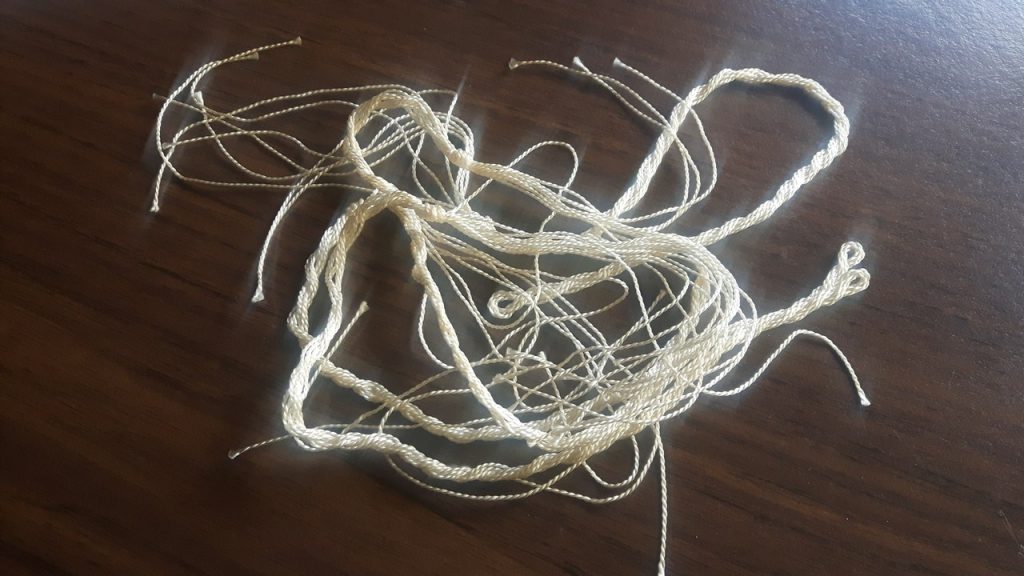
Always keep some spare “Crackers” handy, sometimes they break or come off and disappear easily.
Happy Cracking!