
Coho salmon (Oncorhynchus kisutch), also known as silvers, are an important anadromous species around Vancouver Island. Adults typically begin entering rivers in late summer to fall—often from August through November—triggered by rising water levels from the first heavy rains, with peak river migration and spawning commonly occurring from mid-October into December depending on the system (for example, later peaks on rivers like the Cowichan or Big Qualicum).
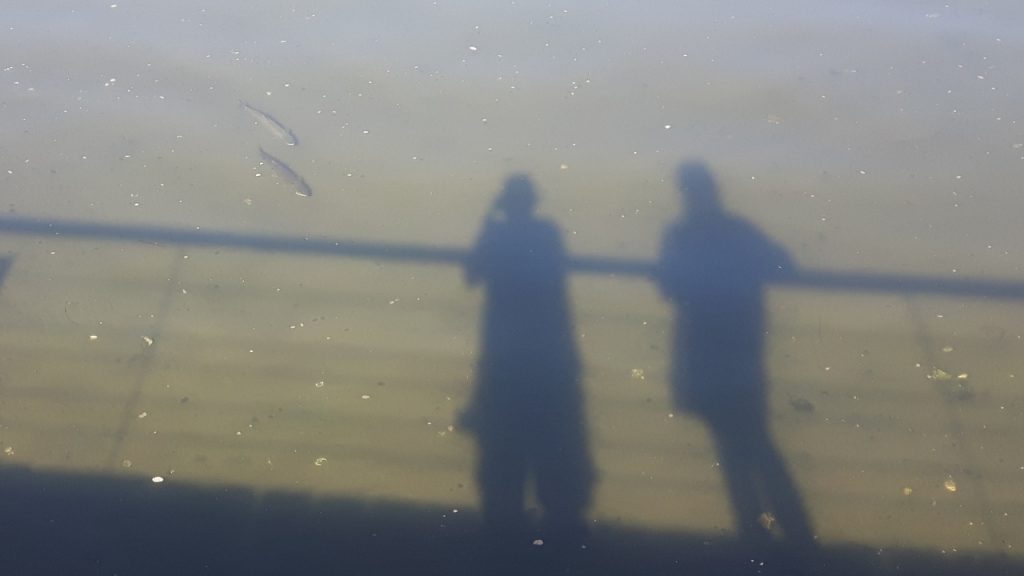
Most coho spend about one year in freshwater as juveniles before migrating to the ocean, then return to spawn after roughly 18 months at sea, reaching maturity at around three years of age (though some return at two to four years). Adults commonly weigh 3–6 kg (roughly 7–14 lbs) and measure 55–70 cm, with larger individuals occasionally exceeding 10–12 lbs in local fisheries.
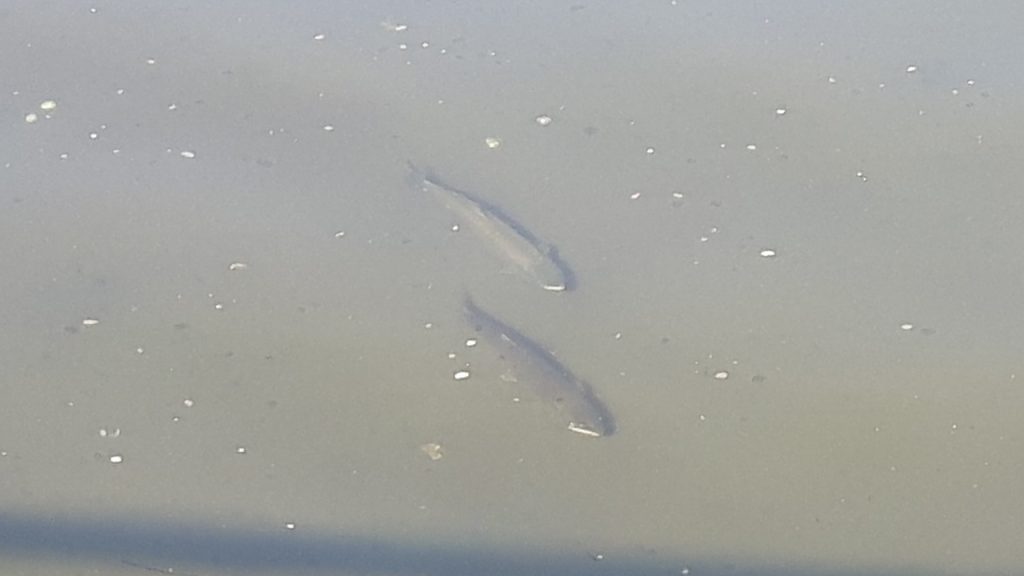
Key points:
- Bright silver when ocean-fresh, developing darker backs, red sides, and hooked jaws (especially males) as they approach spawning
- Highly sought after by sport anglers for their aggressive strikes, frequent jumps, and strong fights
- Excellent table fish with milder, less oily flesh than Chinook
- Important both recreationally (a favourite fall fishery around the island) and commercially, though many local stocks are carefully managed with hatchery-marked retention rules
- Spawning is usually completed by late fall or early winter, after which the adults die and contribute nutrients to stream ecosystems
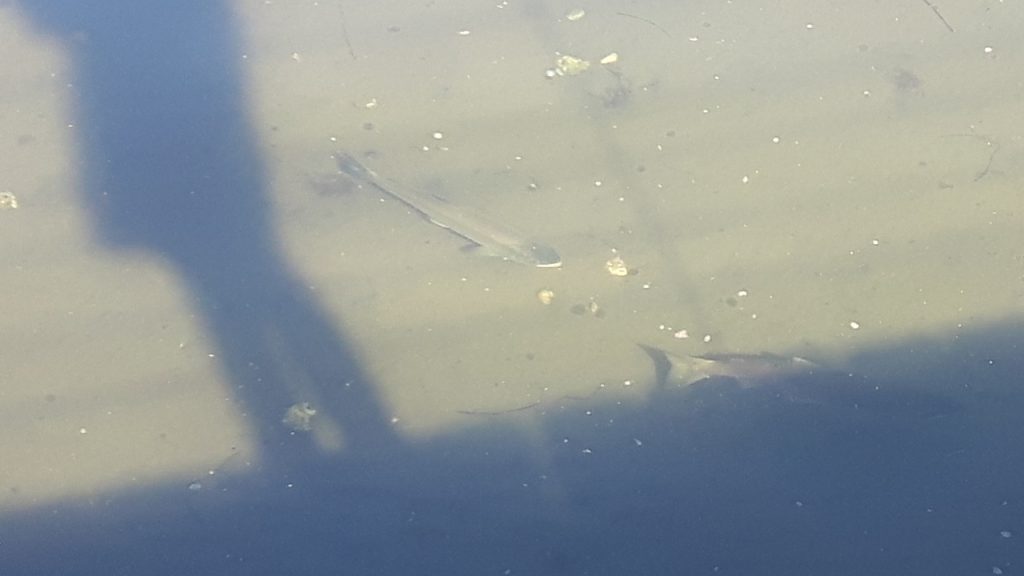
Overall, coho remain one of Vancouver Island’s most popular and accessible Pacific salmon, offering exciting fishing opportunities and fine eating when runs are strong.