
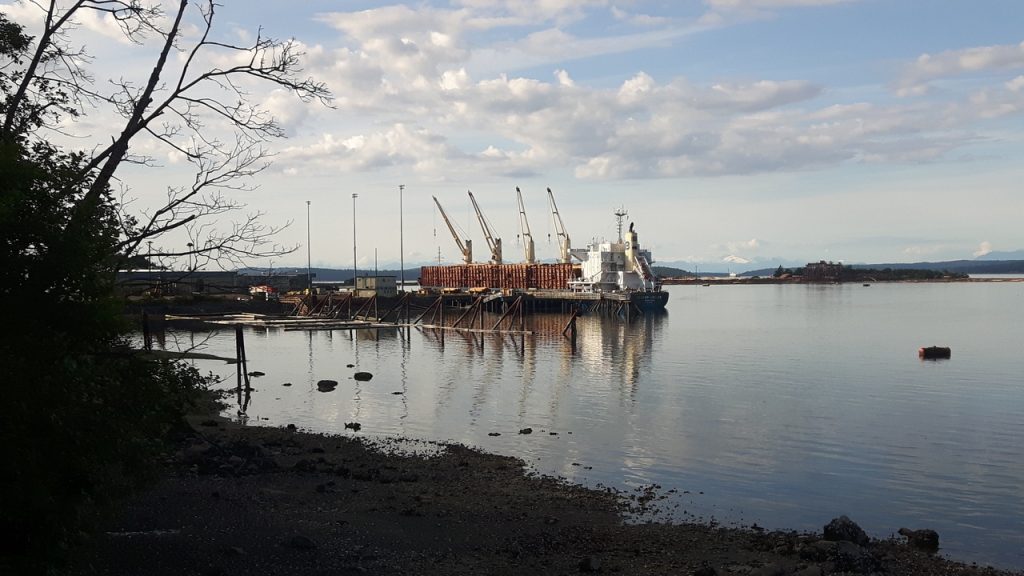
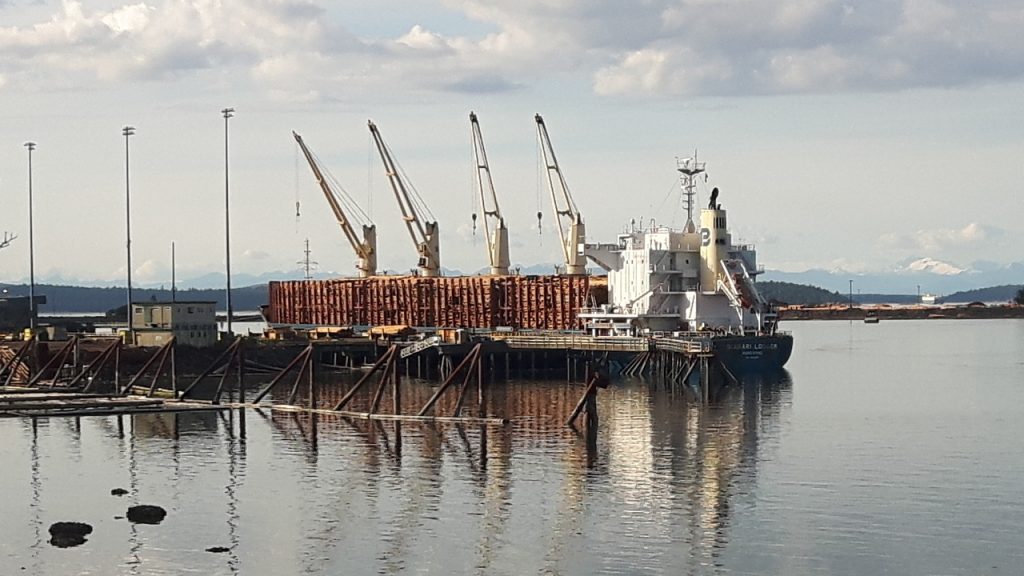
The Imabari Logger (IMO 9663855, MMSI 477300100, Call Sign VRNE6) is a Handysize dry bulk carrier built in 2014 by Shimanami Shipyard (or similar Imabari yard) in Japan.
It sails under the Hong Kong flag and is owned/managed through entities linked to Pacific Basin Shipping (a major Hong Kong-listed dry bulk operator specializing in Handysize and Supramax vessels).
Pacific Basin’s fleet features many similar “logger”-style or log-fitted Handysize bulkers optimized for regional trades, often carrying logs, general bulk cargoes, or other commodities.
Key Specifications
- Type: Bulk Carrier (Handysize / logger-fitted).
- Built: 2014, Japan.
- Dimensions: LOA ~179.97 m, beam ~29.8–30 m.
- Tonnages: Gross Tonnage ~23,452; Deadweight (DWT) ~37,478 tons. vesselfinder.com
- Cargo Gear: Typically equipped with 4 x 30.5-ton cranes, 5 holds/hatches, grain capacity around 47,370 m³ / bale ~45,614 m³ (similar sister ships).
- Other Features: Often ice-classed or fitted for specific trades like logs; it trades globally but frequently in Asia-Pacific routes (e.g., recent activity noted near North America West Coast / Canada).
It is a modern, versatile vessel in a large fleet of similar ships operated in-house by Pacific Basin.
Crew Life on Board
Pacific Basin operates with in-house fleet management and crewing, maintaining high standards for safety, training, and welfare (they’ve received crew welfare awards). They run crewing/training centers in places like Dalian (China), Manila (Philippines), and Hong Kong.
- Crew Size: Typically 20–24 crew per vessel (including Master/Captain, Chief Engineer, officers, ratings, and sometimes cadets/trainees). This aligns with the “22 Crew, 22 Owners” concept that empowers crew with ownership-like responsibility for safety and operations.
- Nationalities: Diverse but primarily from China, Philippines, Russia/Ukraine (FSU), Hong Kong, and Bangladesh. Officers often include a mix (e.g., the ship’s Master has been listed as Capt. Wang Lin, suggesting Chinese nationality in at least one profile). Ratings are commonly from China and the Philippines. The company emphasizes diversity and has been increasing female seafarers (dozens across the fleet, including officers).
- Contract Lengths and Rotations: Standard for bulk carriers—seafarers typically work contracts of several months (often 4–9 months depending on rank and nationality, with Filipinos/others on common 6–9 month tours). They then get home leave before rejoining (possibly the same or another vessel). Pacific Basin stresses long-term careers, training, and support from shore teams.
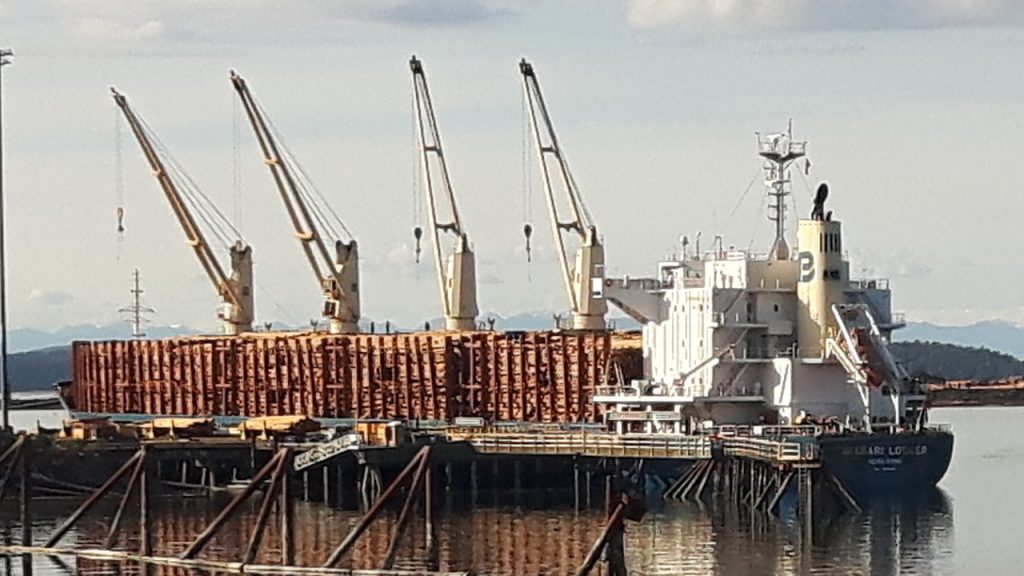
Daily Life: Crew handle navigation, cargo operations (loading/discharging bulk cargoes via cranes/holds), maintenance, engine room duties, watches, and safety drills. It’s demanding with long hours at sea, but modern ships like this offer decent amenities (accommodation, food, recreation).
Pacific Basin promotes a no-blame safety culture, quick defect reporting, and shore support. Challenges include time away from family, variable port stays, and the physical/mental demands of seafaring, offset by competitive pay/benefits in the industry and company initiatives.
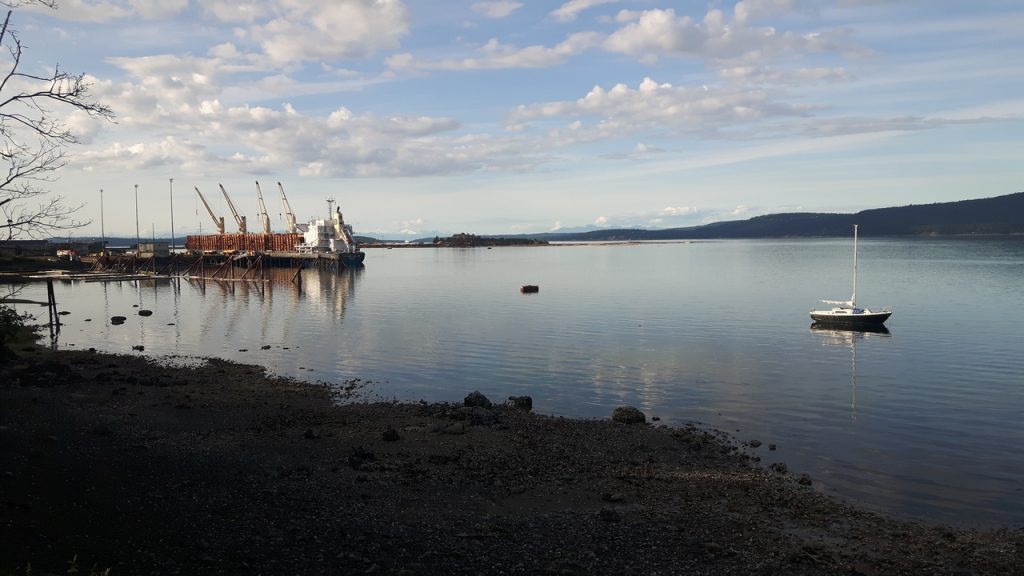
For the most current position or status, check sites like MarineTraffic or VesselFinder, as it moves frequently for cargo trades. Details like exact crewing can vary slightly by voyage. Pacific Basin’s website has more on careers and people if you’re interested in joining.