
The de Havilland Canada DHC-3 Otter is a single-engined, high-wing, propeller-driven STOL (short take-off and landing) utility aircraft, often called a larger, more powerful successor to the iconic DHC-2 Beaver.
Brief History of Development and UseDe Havilland Canada conceived the Otter (initially dubbed the “King Beaver”) in January 1951 as a scaled-up Beaver for greater payload and capacity while retaining strong STOL performance for rugged environments. The prototype first flew on December 12, 1951, and it received Canadian certification in November 1952. Production ran from 1951 to 1967, with 466 aircraft built.
It entered service around 1953 and quickly became a workhorse, especially as a bush plane in remote northern areas. The U.S. Army was the largest operator (about 184–200 delivered as the U-1A Otter), using it for utility transport. The Royal Canadian Air Force operated around 66 (as CC-123/CSR-123) for transport, search-and-rescue, and other roles. It saw military and civil use worldwide, including in Antarctica (one crossed the South Pole in 1957 during the Commonwealth Trans-Antarctic Expedition), Vietnam, the UN peacekeeping efforts (e.g., Suez Crisis), Greenland, Norway, Nepal, and elsewhere.
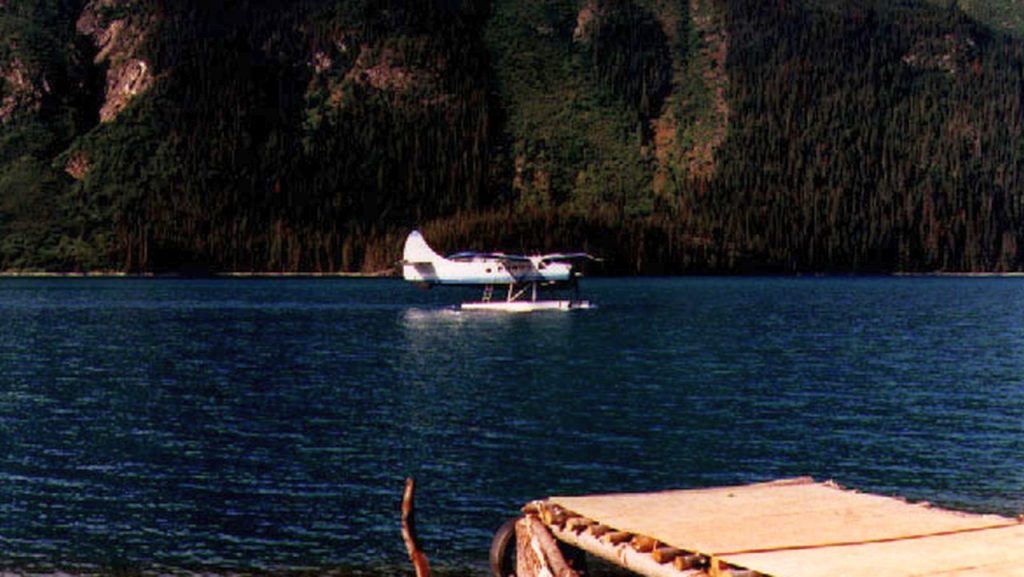
Civil operators prized it for bush flying, cargo, passenger transport, and developing water-bombing techniques for forest firefighting. Many remain in service today, often upgraded. It inspired the successful twin-engine DHC-6 Twin Otter.
Common Specifications (Original Radial-Engine Version)
- Crew: 1 or 2 (often single pilot in civil ops).
- Capacity: 9–11 passengers (optional 10th seat); or configurations like 6 stretchers + 4 seats / 2–3 stretchers + 7 seats. Cargo/utility focused with large cabin.
- Dimensions: Length 41 ft 10 in (12.75 m); wingspan 58 ft (17.68 m); height ~12 ft 7 in (landplane).
- Weights: Empty ~4,108 lb (landplane); gross 8,000 lb. Useful load supports roughly double the Beaver’s payload.
- Powerplant: 600 hp Pratt & Whitney R-1340 Wasp 9-cylinder radial piston engine.
- Performance: Max speed ~160 mph (landplane); cruise ~138 mph; range ~960 mi (full internal fuel at 5,000 ft); service ceiling ~18,800 ft; excellent STOL (takeoff to 50 ft ~1,310 ft on land).
Seaplane and ski variants have slightly reduced performance (e.g., lower speeds, range, and climb rates) due to added drag/weight.

Radial Engine and Turbine Conversions
- Original Radial: The Pratt & Whitney R-1340 (geared for lower propeller RPM) provided reliable 600 hp power suited to the aircraft’s rugged design. Some later radial re-engining used Polish PZL Kalisz ASz-62IR engines (e.g., Airtech Canada DHC-3/1000 with 1,000 hp).
- Turbine Conversions: Popular since the 1980s for better reliability, performance (especially hot/high conditions), and reduced maintenance. Common options include Pratt & Whitney Canada PT6A (e.g., -27, -34, or -140A), Walter M601, or Garrett/Honeywell TPE331. Companies like Texas Turbines (Super Otter), Stolairus Aviation, and others offer these. Turbine Otters often have higher power (e.g., 750+ shp), improved climb, and payload capabilities while retaining the airframe’s strengths.
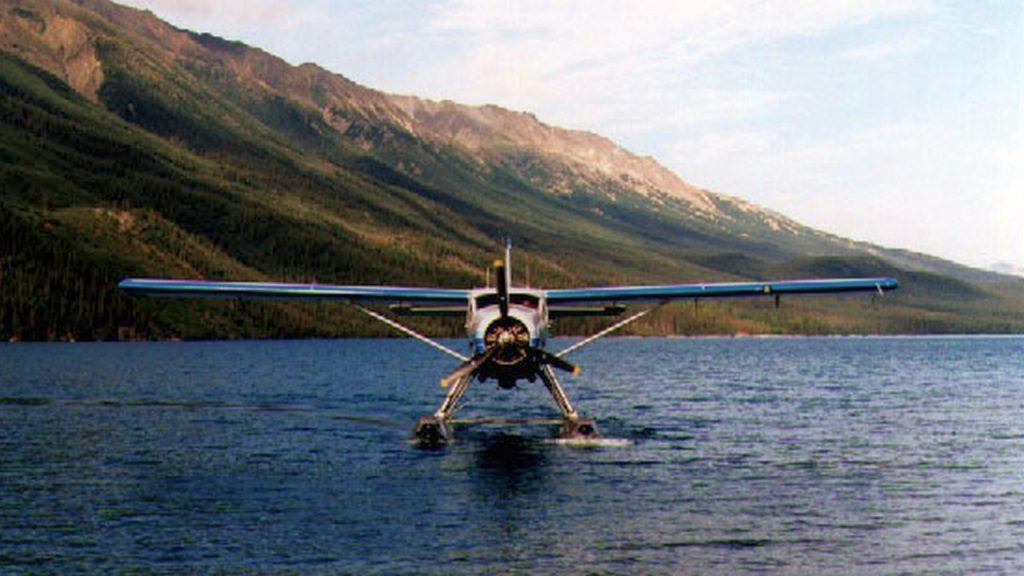
Turbine versions are widely used today in commercial bush operations.Use as a Bushplane with Different Landing GearThe Otter excels as a versatile bushplane, operating in extreme conditions with interchangeable landing gear (like the Beaver):
- Wheels: For prepared or rough strips; strong STOL performance.
- Skis: Essential for winter/snow operations in the North; fixed or wheel-skis for mixed use.
- Floats: Seaplane configuration for lakes/rivers (common in Canada/Alaska); amphibious floats with retractable wheels also available.
- Other: Tundra tires for soft/boggy ground.
This multi-gear flexibility, combined with STOL capabilities, allows access to remote areas without runways, making it ideal for cargo (e.g., full plywood sheets, snowmobiles), passengers, medevac, supply drops, and firefighting.
Additional Interesting Facts
- “One-ton truck” of the air: Designed for twice the Beaver’s payload with similar short-field performance.
- Experimental variants: One heavily modified “Batwing Otter” tested extreme STOL with massive flaps and other changes; another early twin-PT6 setup influenced the Twin Otter.
- Skydiving role: Popular jump plane due to its capacity and performance.
- Longevity: Many still flying 70+ years later, especially turbine conversions; strong resale values reflect enduring demand.
- Notable incidents: Involved in some high-profile crashes (e.g., 2010 involving Ted Stevens), but its ruggedness is legendary.
- It has operated from aircraft carriers (e.g., flying off a Canadian carrier during the Suez Crisis) and in diverse climates from Arctic to tropics.
The Otter remains a beloved icon of Canadian aviation and bush flying, valued for its toughness and versatility.
Now go get yourself a ride in an Otter!