
Harbour Air Seaplanes (IATA: YB) is North America’s largest seaplane airline, specializing in scheduled flights, scenic tours, charters, and adventure packages primarily in coastal British Columbia, Canada, with some international service to Seattle.
Brief History
- Founded in 1982 with just two pilots and two aircraft, starting as a small operation connecting coastal communities.
- Grew rapidly through mergers and acquisitions, including Whistler Air and West Coast Air.
- Headquartered in Richmond, British Columbia, with main bases at Vancouver Harbour (CXH) and Victoria Harbour (YWH).
- Operates as a floatplane specialist, focusing on downtown-to-downtown or harbour-to-harbour routes that avoid road congestion and provide stunning scenic flights.
- As of recent years, it runs up to ~200–300 daily flights across its network and claims the title of the largest all-seaplane fleet in North America (around 37–41 aircraft registered).
Fleet Overview & Aircraft Models
Harbour Air’s fleet consists almost entirely of rugged, high-wing de Havilland Canada aircraft optimized for seaplane (float) operations, with a few Cessnas. All are configured for passenger service with excellent short-field and water performance.
Key models (as of ~2025 data):
- DHC-2 Beaver (9–12 in fleet, 6 seats):
- Iconic single-engine bush plane.
- Classic radial piston versions (Pratt & Whitney R-985 Wasp Junior, ~450 hp).
- eBeaver: Electric conversion with magniX magni500 (or magni650) electric propulsion system (~750 hp equivalent). First flew in 2019; Harbour Air aims for full fleet electrification. Batteries support ~30 minutes flight + reserve.
- Used for shorter routes and lower-demand flights.
- DHC-3 Otter / Turbo Otter (21–22 in fleet, up to 14 passengers):
- Larger single-engine utility aircraft.
- Most are turbine conversions with Pratt & Whitney Canada PT6 turboprops (significant performance boost over original radial engines — better hot/high capability, reliability).
- Excellent for medium-capacity routes and cargo/passenger mixes.
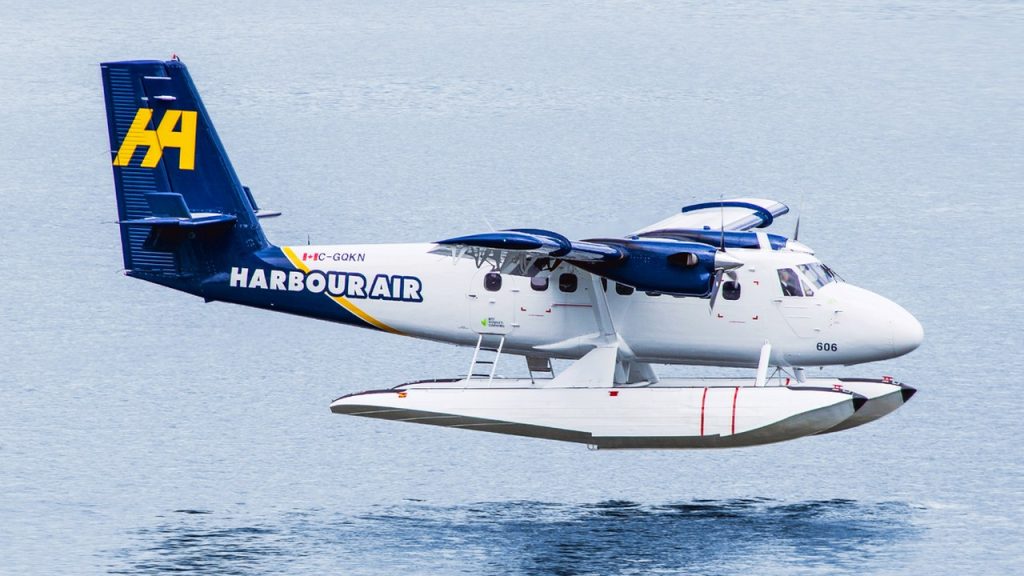
- DHC-6 Twin Otter (4 in fleet, Series 300, up to 19 passengers):
- Twin-engine turboprop (PT6 engines).
- Largest aircraft in the fleet; used for higher-demand or longer routes.
- Offers twin-engine redundancy and higher capacity.
- Cessna 208 Grand Caravan EX (2 in fleet, 9 passengers):
- Single-engine turboprop (Pratt & Whitney Canada PT6).
- Amphibious/float-equipped; used for flexibility on certain routes.
- Smaller Cessnas (limited numbers): Includes Cessna 180 Skywagon and others for very light duties or training/support.
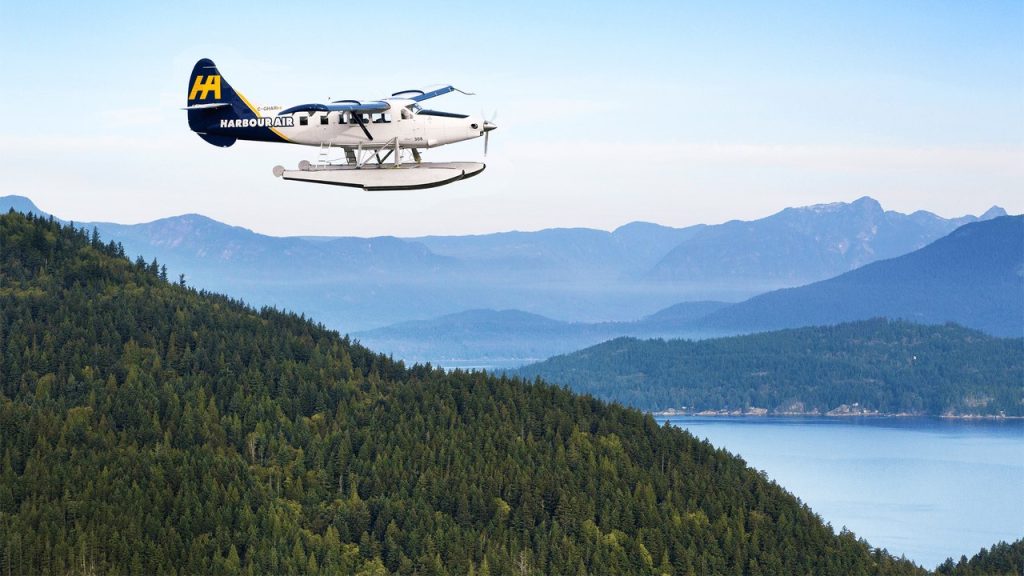
Fleet Notes: Aircraft are frequently swapped based on demand (e.g., a scheduled Beaver flight may upgrade to an Otter or Twin Otter if bookings are strong). Most operations are VFR (visual flight rules), though some twins support IFR.
Destinations & Route Usage
Harbour Air serves ~15 destinations (as of 2026), focusing on coastal BC with one international route to Seattle. It offers downtown harbour terminals for convenience.
Main Hubs/Bases:
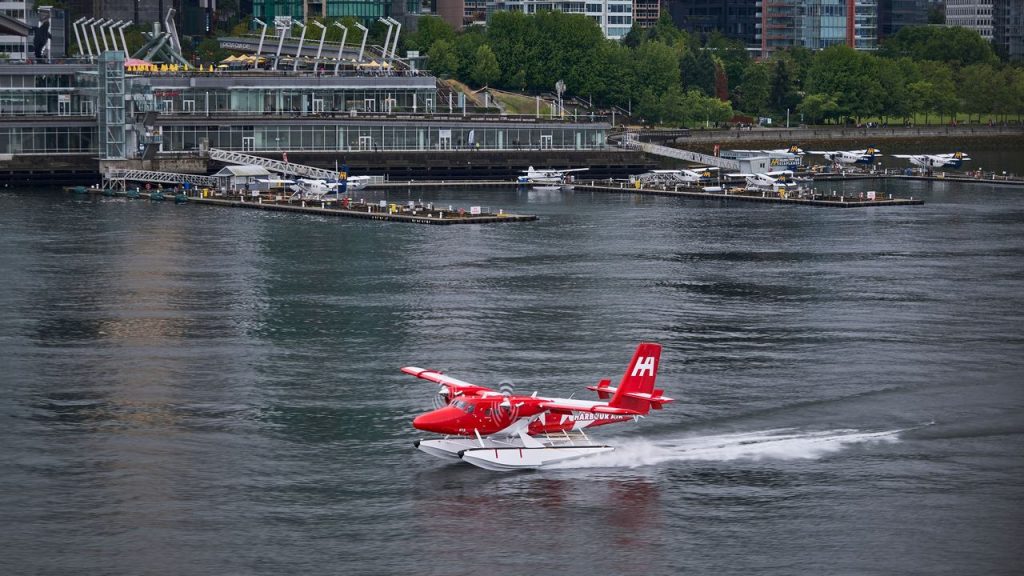
- Vancouver Harbour (CXH) — primary hub.
- Victoria Harbour (YWH).
- Others: Nanaimo Harbour (ZNA), Tofino Harbour, Whistler (YWS), etc.
Key Destinations (examples):
- Vancouver Victoria (one of the busiest routes; often Twin Otter or larger Otter).
- Vancouver Nanaimo (very frequent; mix of aircraft).
- Vancouver Whistler, Tofino, Sechelt, Comox, Powell River, Salt Spring Island (Ganges), Campbell River, Ucluelet.
- Vancouver/ Victoria Seattle (Lake Union – LKE; international).
- Gulf Islands routes.
Aircraft Usage Patterns:
- Twin Otter: Preferred for high-demand or longer routes (e.g., Vancouver–Victoria, routes to Tofino/Comox) due to capacity and comfort.
- Single Otter: Workhorse for most medium routes; versatile and common.
- Beaver: Shorter hops, lower-demand flights, scenic tours, or remote spots.
- Caravan: Flexible support on specific routes.
- Aircraft type often adjusts last-minute based on passenger loads.
Scenic Tours & Charters: Offered from Vancouver and other bases — ranging from 20-minute harbour tours to multi-destination adventure packages. Any fleet aircraft can be used for private charters.
Additional Operational & Interesting Facts
- Sustainability: Aggressive push toward electric aircraft (eBeaver pioneer); long-term goal to electrify much of the fleet with magniX technology.
- Safety & Experience: Floatplane operations are weather-dependent (VFR). Flights offer unmatched views of coastal mountains, islands, and wildlife. No assigned seating on smaller planes; boarding often from the rear on Twins.
- Group Companies: Includes or has merged with Whistler Air, Salt Spring Air, and West Coast Air operations.
- Scale: Up to 200+ daily flights in peak season; serves both scheduled passengers and heavy tourism/scenic demand.
- Unique Aspect: Downtown harbour terminals (e.g., Vancouver Harbour Flight Centre) allow seamless city-to-city travel without airport hassles.
- Challenges: Subject to weather delays/cancellations typical of seaplane ops; strong maintenance program for vintage de Havilland airframes.
Harbour Air provides a quintessential West Coast Canadian experience, combining practical transportation with breathtaking scenery. For the latest schedules, check harbourair.com, as routes and frequencies expand seasonally.
Great News! September 2026
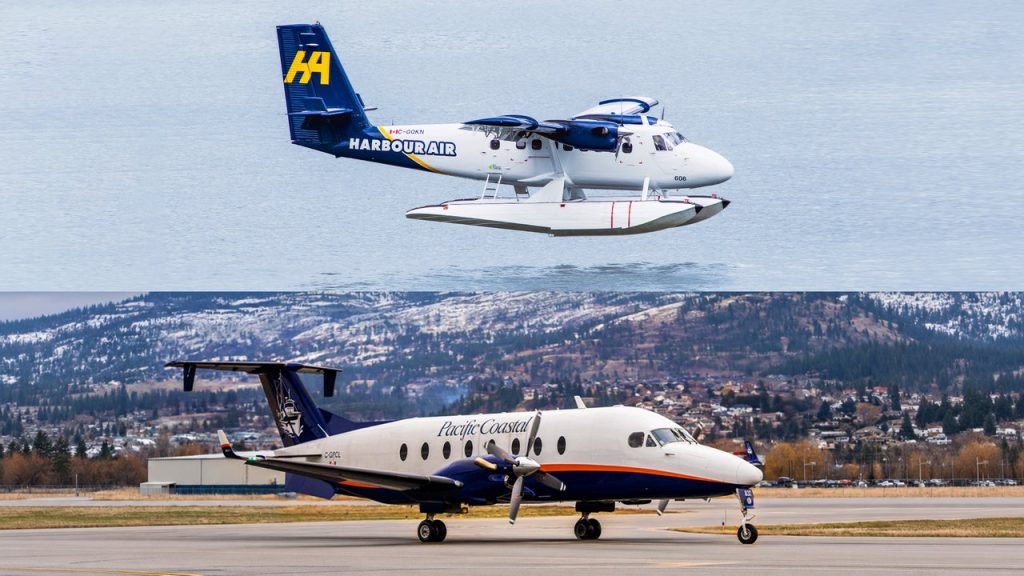
Harbour air & Pacific Coastal Airlines are now going to be part of the same operation!