
De Havilland Aircraft of Canada (DHC) has a rich history rooted in British aviation that evolved into a distinctly Canadian success story focused on rugged, STOL (short takeoff and landing) utility aircraft.
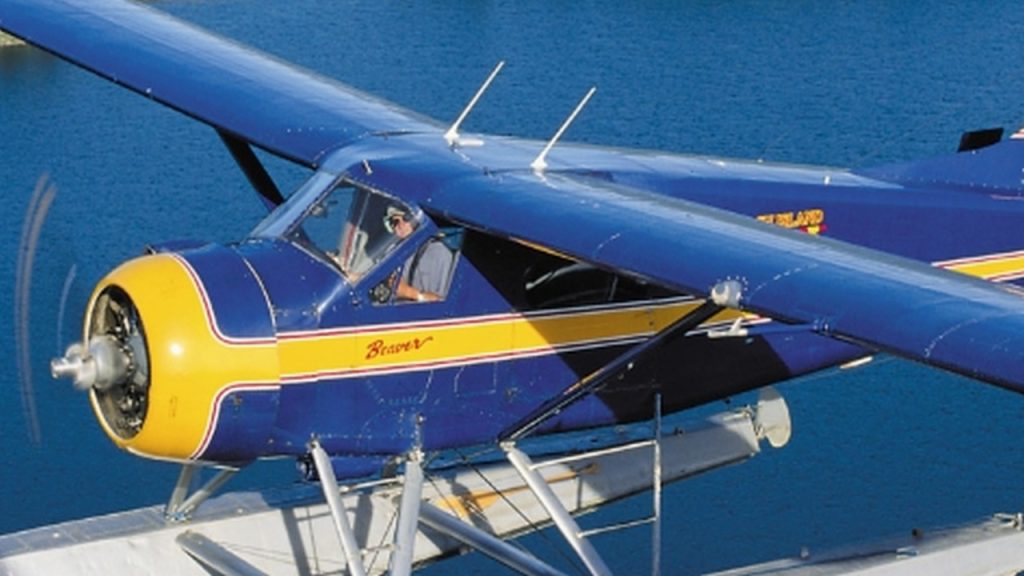
Brief History: From British Roots Through Viking Air and Beyond
The original De Havilland Aircraft Company was founded in Britain in 1920 by Geoffrey de Havilland. In 1928, the British firm established De Havilland Aircraft of Canada Limited as a subsidiary in Toronto to assemble and later build Moth trainers for Canadian airmen. The company moved to Downsview in 1929 and initially focused on license production of British designs (e.g., Tiger Moths, Mosquitos during WWII).
Post-WWII, DHC shifted to designing its own aircraft tailored to Canada’s harsh wilderness, vast distances, and remote operations. Iconic models like the Beaver, Otter, Caribou, Buffalo, Twin Otter, Dash 7, and Dash 8 emerged. Ownership changed over time: it became part of Hawker Siddeley, then Boeing (1986), and Bombardier (1992). Bombardier focused on the Dash 8 while selling legacy type certificates.
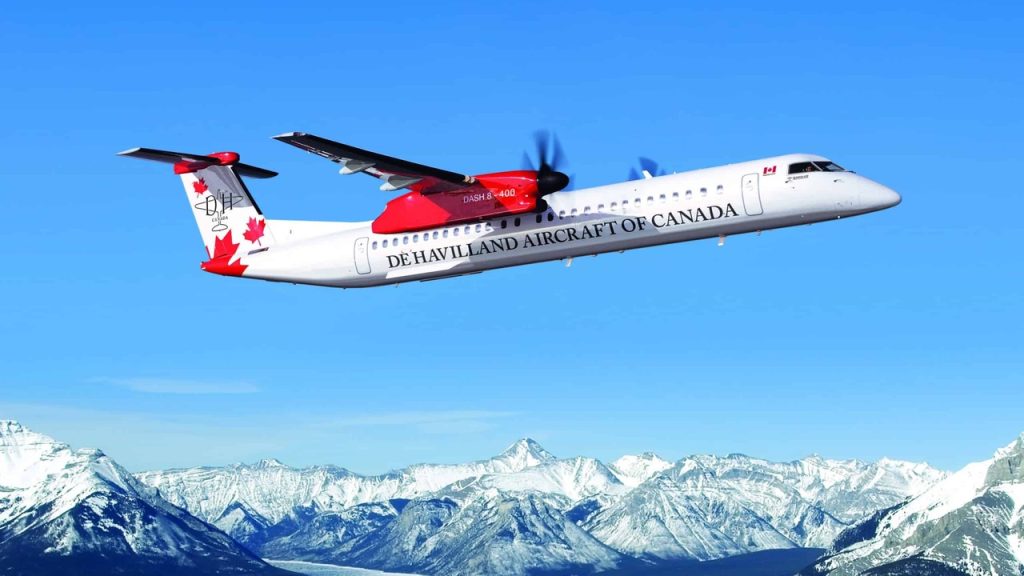
In 2005, Viking Air (founded 1970 on Vancouver Island) acquired rights to the DHC-1 through DHC-7 series. Longview Aviation Capital (Viking’s parent) bought the Dash 8 program and the full De Havilland Canada brand from Bombardier in 2018–2019, reuniting the product line under De Havilland Aircraft of Canada Limited. Production and support now continue in Canada (including Calgary and a new De Havilland Field site in Alberta). The company supports legacy aircraft while producing modern Twin Otters, Dash 8-400s, and the new DHC-515 firefighter.
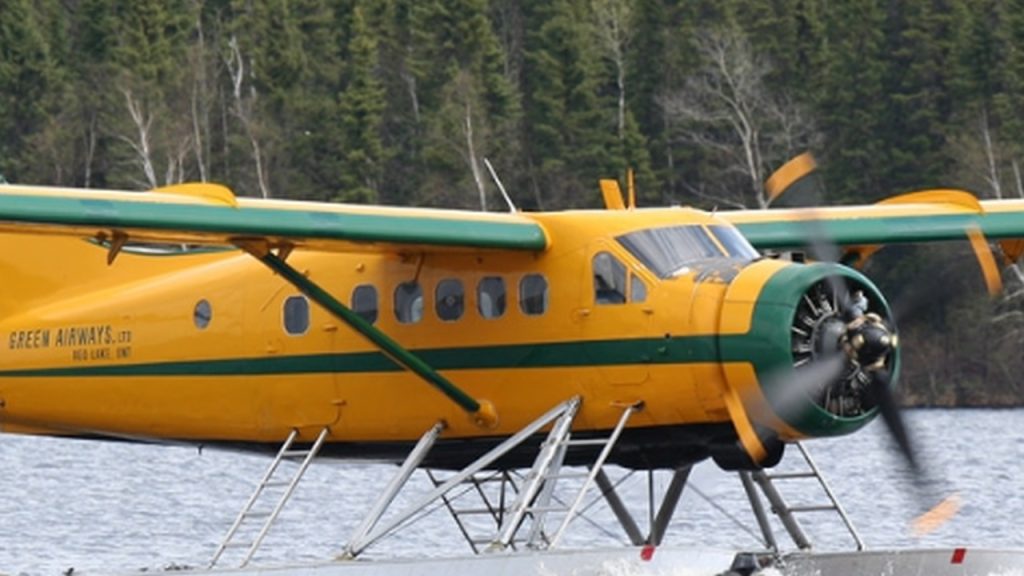
Military & Bush Plane History in Canada
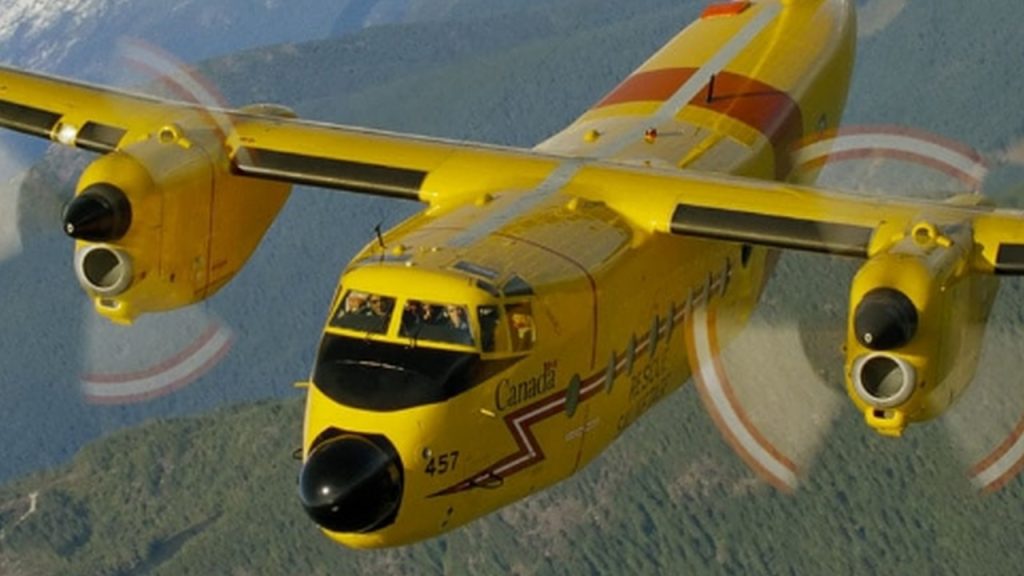
DHC aircraft were vital to the Royal Canadian Air Force (RCAF) and Canadian operations. Models like the Beaver, Otter, Caribou, Buffalo (CC-115 for SAR and transport), and Dash 8 served in transport, search-and-rescue (SAR), sovereignty patrols, and international missions. The CC-115 Buffalo was a long-serving SAR workhorse until the early 2020s.
As bush planes, DHC designs revolutionized access to Canada’s North. High-wing STOL aircraft with interchangeable landing gear (wheels, skis, floats) enabled supply runs, medevac, passenger service, mining/exploration support, and firefighting in remote areas without infrastructure. They opened frontiers and remain essential for northern communities, tourism, and resource industries.
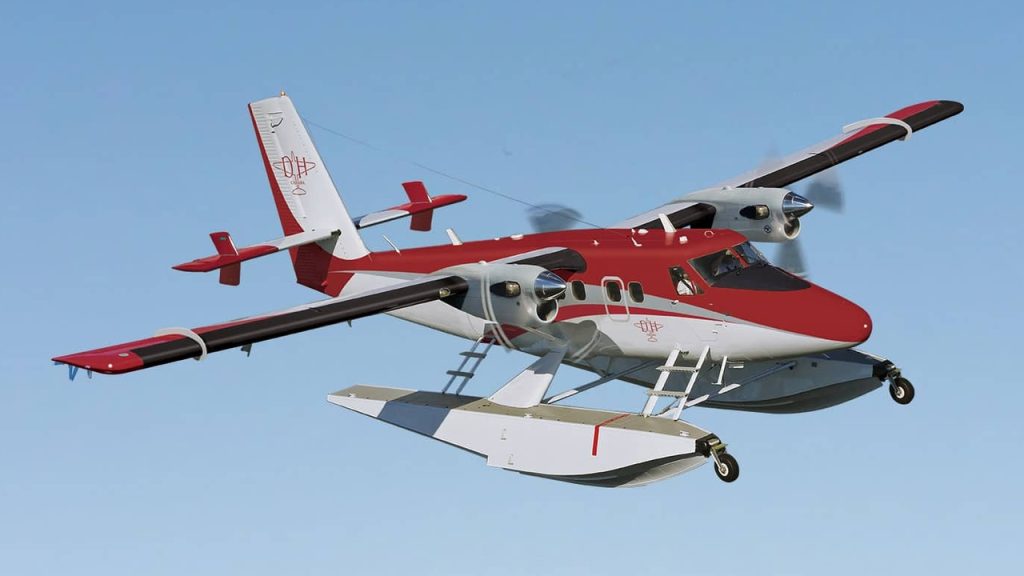
Popular Bush Plane Models
Here are key specs for the most iconic bush/utility models (approximate/typical values; performance varies with configuration, mods, and landing gear):
- DHC-2 Beaver (1947–1967, ~1,657 built):
- Crew: 1
- Capacity: Pilot + 6 passengers or ~2,100 lb useful load (cargo/hauling icon)
- Engine: 450 hp P&W R-985 radial (turbine conversions common)
- Range: ~450–700+ miles
- STOL performer on wheels, skis, or floats.
- DHC-3 Otter (1951–1967, 466 built):
- Crew: 1–2
- Capacity: 9–11 passengers or heavy cargo (~double the Beaver’s payload)
- Engine: 600 hp P&W R-1340 radial (popular turbine conversions)
- Range: ~900+ miles
- Larger STOL bush hauler on wheels/skis/floats.
- DHC-5 Buffalo (1965–1980s, 122 built):
- Crew: 3+
- Capacity: Up to 41 troops or ~18,000 lb payload (rear ramp)
- Engines: Two GE T64 turboprops
- Range: Varies (hundreds to ~2,000 miles)
- Tactical STOL transport; excellent RCAF SAR use.
- DHC-6 Twin Otter (1966–present, 1,000+ built including Series 400):
- Crew: 1–2
- Capacity: Up to 19–20 passengers or cargo
- Engines: Two PT6 turboprops
- Range: ~800–1,200+ miles
- Versatile twin-engine STOL king on wheels/skis/floats; still in production.
Other notables include the DHC-4 Caribou (twin-engine STOL transport) and DHC-7 Dash 7 (quiet STOL airliner).
Civilian Use in Canada
DHC aircraft dominate remote passenger/cargo services, floatplane ops on lakes/rivers, tourism (fishing/hunting lodges), medevac, skydiving, and firefighting support. Provincial governments and operators (e.g., Conair, Air Spray) rely on them for connecting isolated communities and supporting resource sectors in the North. Their ruggedness and adaptability make them irreplaceable in many areas.
Future Outlook
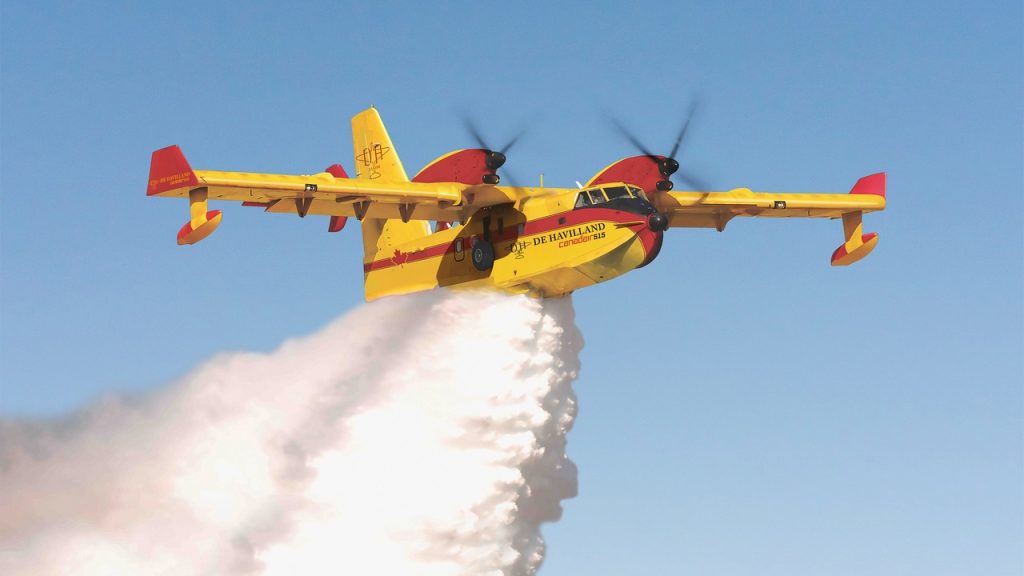
De Havilland Canada is actively producing the DHC-515 (next-generation Canadair 515 “Super Scooper”) amphibious water bomber with modern avionics, materials, and firefighting enhancements. Orders include European customers and Canadian provinces (Manitoba, Ontario, Alberta). First deliveries are targeted for ~2028. The company is also building a new manufacturing site (De Havilland Field) in Alberta and continues Twin Otter Series 400 / Classic 300-G and Dash 8-400 production, with strong global support for legacy fleets.
Additional Interesting Facts
- “Half-ton flying pickup truck”: The Beaver was designed after surveying bush pilots for the ideal rugged aircraft.
- Global impact: DHC planes have operated from the Arctic to Antarctica, deserts to jungles, and in countless conflicts/humanitarian missions.
- Longevity: Many Beavers, Otters, and Twin Otters are still flying 50–75+ years later with dedicated support.
- Innovation legacy: Emphasis on STOL, versatility, and operations in extreme environments shaped modern utility aviation.
- Canadian icon: These aircraft literally helped “open up the North” and remain symbols of Canadian engineering prowess.
De Havilland Canada’s story is one of adaptation and resilience — from British subsidiary to a revived Canadian champion of tough, practical aircraft.