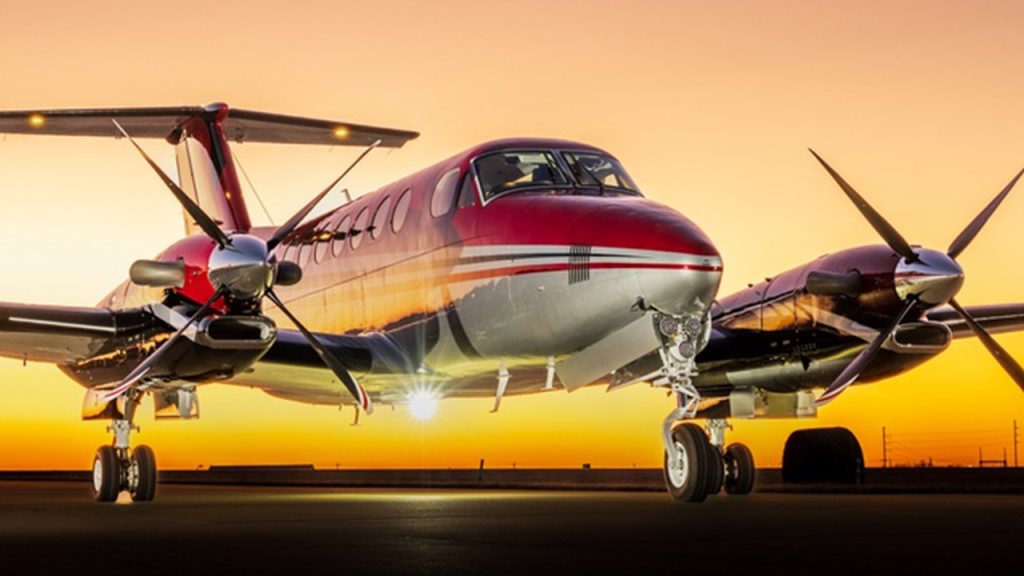
Cessna Aircraft Company was founded in 1927 in Wichita, Kansas, by Clyde Cessna (a pioneering aviator and farmer) and Victor Roos. Clyde Cessna built and flew his first aircraft in 1911 and became known for innovative cantilever-wing monoplanes.
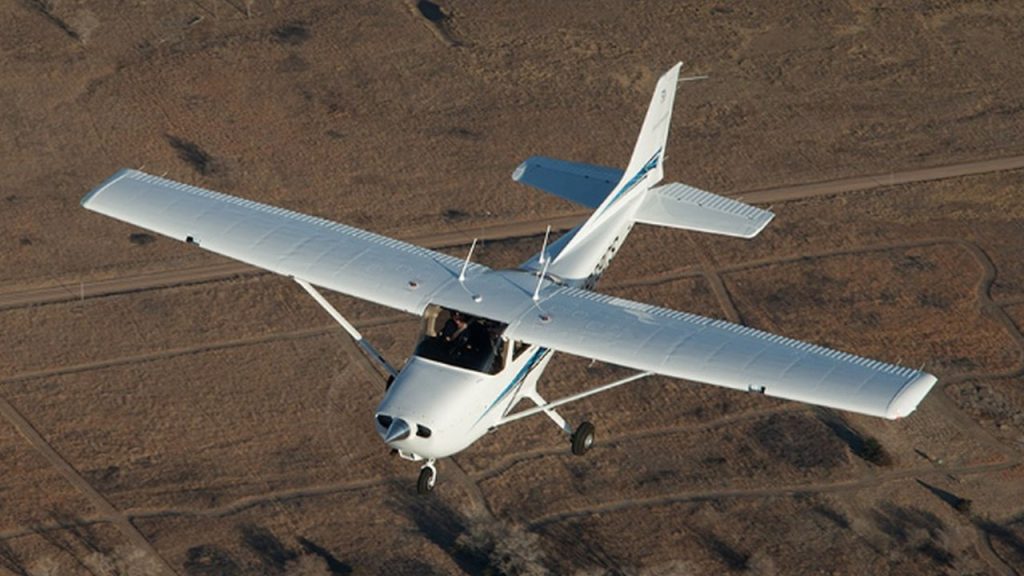
The company initially struggled during the Great Depression but rebounded strongly after World War II, becoming one of the “Big Three” of general aviation (alongside Piper and Beechcraft).
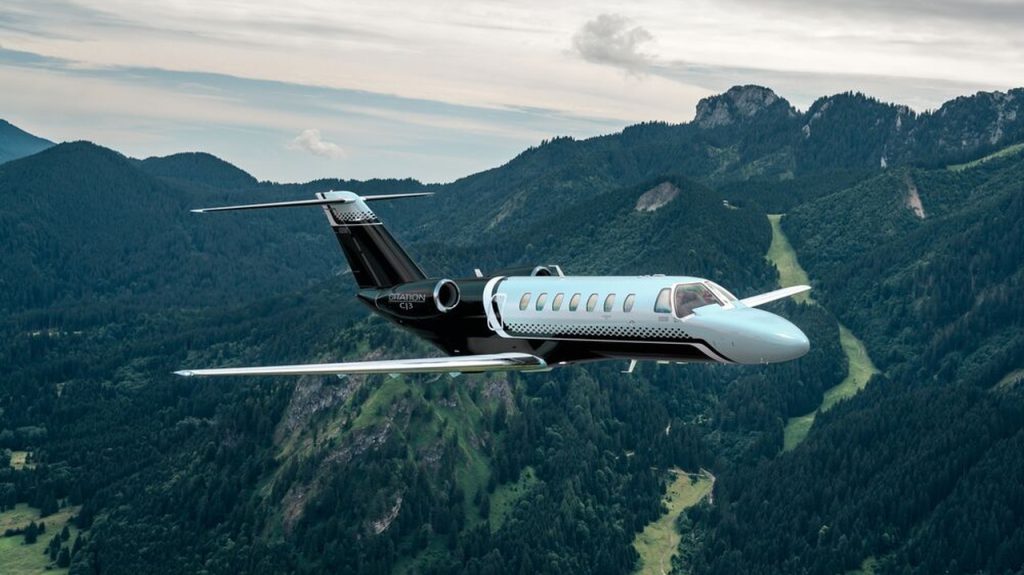
Cessna produced thousands of high-wing, single-engine aircraft that emphasized simplicity, reliability, and utility. It expanded into twins, business jets (Citation series), and turboprops. Textron Aviation now owns the brand (following acquisitions in the 1980s–1990s). Cessna remains a dominant name in general aviation, with iconic models still in widespread use and production.
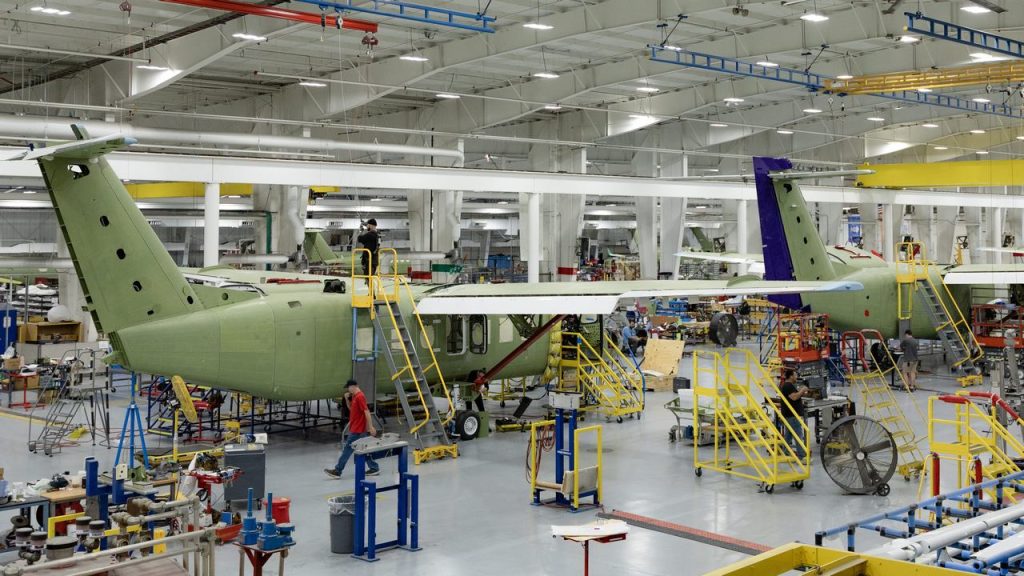
Float Plane & Ski-Capable Bush Planes
Cessna’s high-wing designs with robust construction and good propeller clearance make them excellent for float and ski operations.
Key models include the 180/185 Skywagon, 206 Stationair, and 208 Caravan. These aircraft support interchangeable landing gear (wheels, tundra tires, skis, floats — straight or amphibious).
Modern production focuses on the Turbo Stationair HD (T206H) and Cessna 208 Caravan series (including amphibious versions). Turbine conversions (e.g., PT6 on 206s) are popular for improved performance in hot/high or remote areas. These planes excel in short-field, rough, and water operations.
History in Canada as Remote Area Bush Plane Aviation
Cessna aircraft have been staples of Canadian bush flying since the 1950s, complementing iconic de Havilland types like the Beaver. They provide essential connectivity to remote northern communities, mining camps, fishing/hunting lodges, and exploration sites in provinces such as British Columbia, Ontario, Quebec, Yukon, and the Northwest Territories.
Operators use them for passenger/cargo transport, medevac, supply drops, tourism, and wildfire support. Their affordability, parts availability, and versatility suit Canada’s vast wilderness, lakes, rivers, and seasonal extremes (floats in summer, skis in winter). Many classic 180s and 206s remain active decades later.
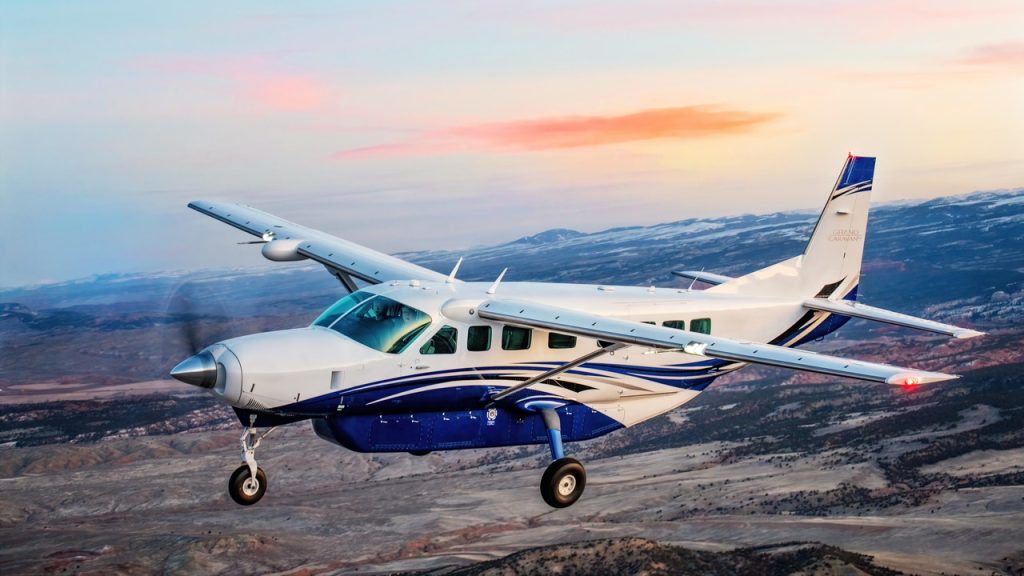
Popular Float/Bush Plane Models (Approximate/Typical Specs)
Values vary significantly with year, modifications (STOL kits, engine upgrades), and landing gear.
- Cessna 180/185 Skywagon (1953–1981, tailwheel):
- Crew: 1 pilot.
- Capacity: Pilot + 5 passengers or ~1,000–1,500+ lb useful load (cargo icon).
- Engine: Continental O-470/O-520 (225–300+ hp); many upgrades.
- Range: ~500–800+ miles.
- Excellent on floats/skis; legendary short-field performer.
- Cessna 206 Stationair / Turbo Stationair HD (in production):
- Crew: 1 pilot.
- Capacity: Pilot + 5–6 passengers; large clamshell doors for cargo.
- Engine: Lycoming IO-550 (300 hp) or turbo; turbine conversions available.
- Range: ~600–900+ miles.
- Highly popular on amphibious floats; strong utility hauler.
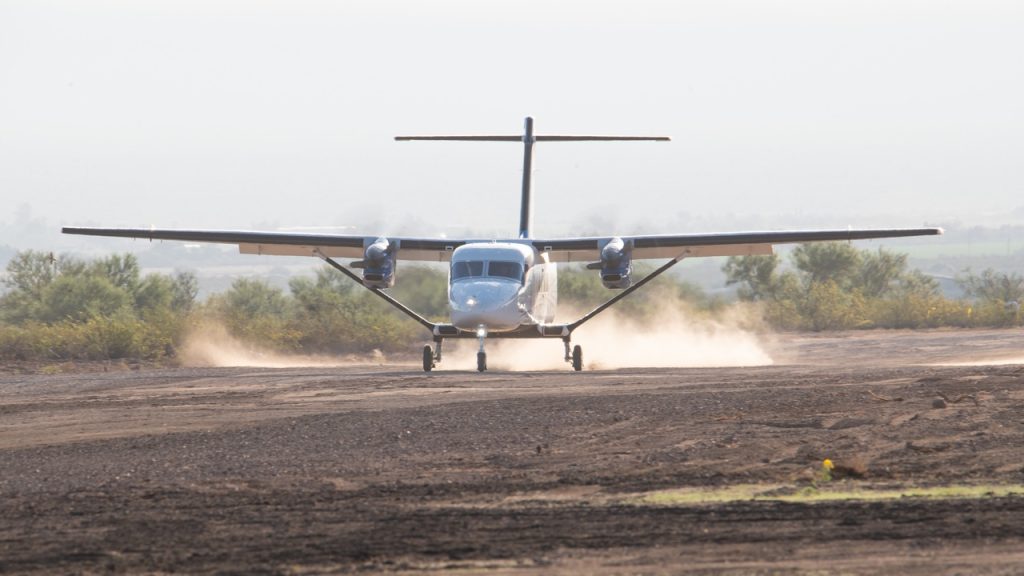
- Cessna 208 Caravan (turboprop, in production):
- Crew: 1–2 pilots.
- Capacity: Up to 9–14 passengers or ~3,000+ lb payload.
- Engine: Pratt & Whitney Canada PT6 turboprop.
- Range: ~900–1,200+ miles.
- Amphibious versions available; rugged workhorse for remote ops.
Additional Interesting Facts
- “SUV of the Air”: The 206 is often called this for its load-hauling ability and versatility.
- Interchangeable Gear: Many operators switch between wheels, skis, and floats seasonally, maximizing utility.
- Canadian Legacy: Cessnas appear alongside Beavers and Otters in remote float bases and are featured in bush flying culture and media.
- Longevity: Robust airframes and strong aftermarket support keep vintage models flying 50–70+ years later.
- Modern Touches: Current models feature Garmin glass cockpits, while turbine conversions boost performance in Canada’s challenging northern conditions.
Cessna’s practical, high-wing singles and turboprops continue to play a vital role in connecting Canada’s remote regions, embodying reliable bush aviation for generations.
Beechcraft & Cessna are both part of the same operations